Anthropic risk label stays as Pentagon disputes Lutnick
Anthropic remains designated a Pentagon supply-chain risk, conflicting with Howard Lutnick’s claim that the AI company had settled its disputes with the…
Lauren Collins ·
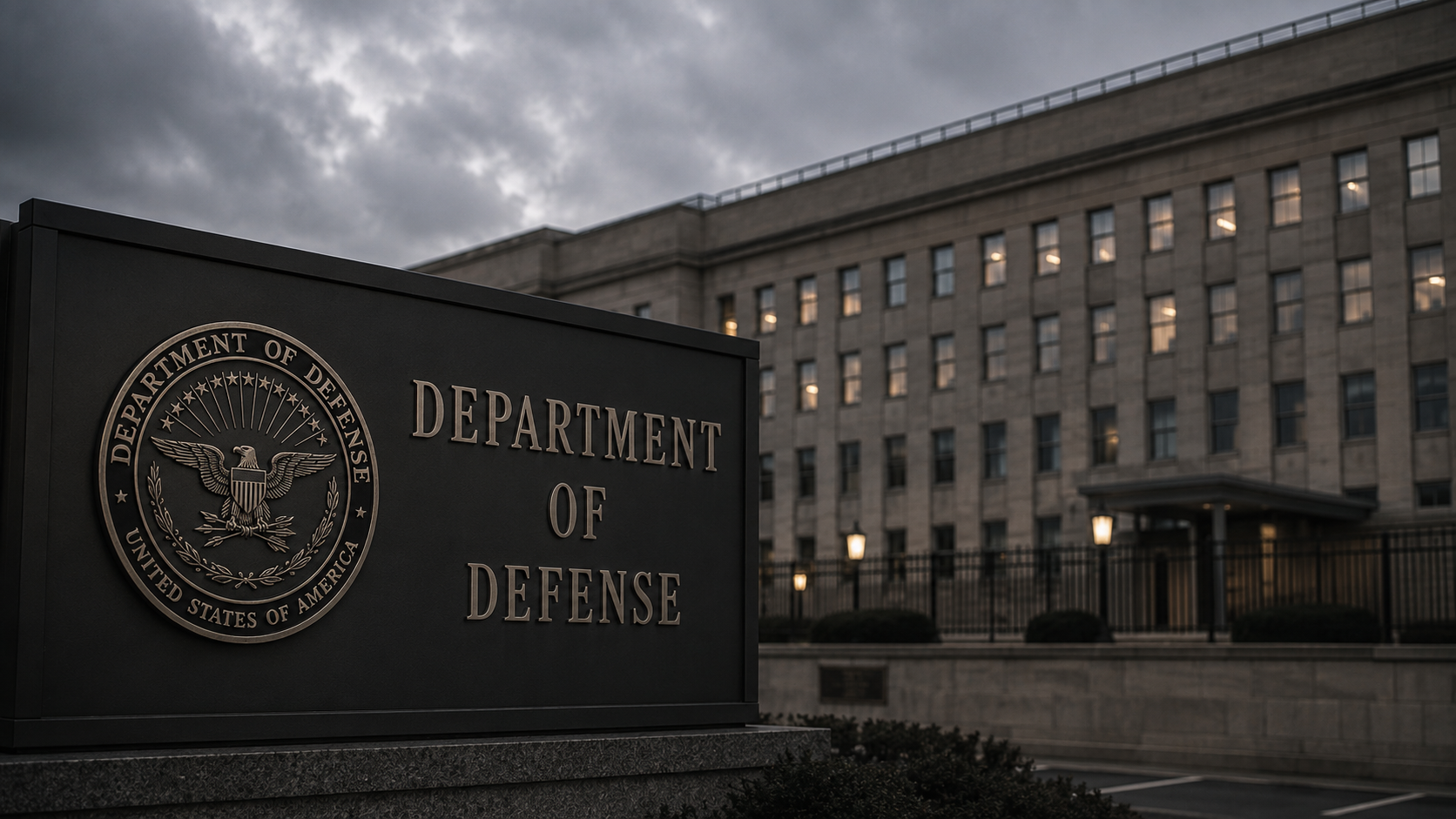
Anthropic remains under a Pentagon supply-chain risk designation, undercutting Commerce Secretary Howard Lutnick’s claim that its US disputes are resolved.
The public split puts one of the country’s leading artificial intelligence developers between two arms of President Trump’s administration. US Under Secretary of Defense for Research and Engineering Emil Michael said Thursday on X that the Defense Department’s designation has not been lifted.
"Anthropic is still a designated Supply Chain Risk at @DeptofWar and for the Defense Industrial Base. Thank you for your attention to this matter!"
Michael wrote the message on X, using a closing phrase associated with President Trump’s own social media posts. He did not refer to Anthropic’s litigation against the government or to the recent court order in the company’s favor.
Michael keeps Pentagon label alive
Michael’s statement followed Lutnick’s assertion a day earlier that Anthropic had "gotten religion" and settled its differences with the administration. Lutnick made the comment while discussing artificial intelligence and trade issues at the Group of 20 Innovation Ministerial in Chapel Hill, North Carolina.
A senior Anthropic executive, Tom Brown, appeared with Lutnick on Wednesday for a public discussion at the same meeting. The appearance signaled a thaw at Commerce, but Michael’s post showed the Pentagon dispute remains separate from the department’s export-control fight.
The split matters because the two disputes touch different parts of federal power over AI companies. Commerce can restrict exports of advanced technology, while the Defense Department can affect access to military contracts and the broader defense industrial base.
June controls ended at Commerce
Lutnick had worked with Brown to address Commerce Department concerns that led officials to briefly impose export controls on Anthropic’s Mythos and Fable models. Those restrictions were tied to government concerns that bad actors could jailbreak models and use them to reach advanced AI cyber capabilities.
The Commerce restrictions were lifted in late June, according to the account provided in the source material. Lutnick’s remarks treated that resolution as evidence that the company’s relationship with the administration had improved.
The Pentagon conflict began on a different track near the start of the year. Defense officials were concerned, according to the source material, that Anthropic was trying to place unnecessary limits on how the military could use its models.
Those officials viewed the proposed guardrails as interfering with the military chain of command. After discussions deteriorated, the Defense Department designated Anthropic and its products as a supply-chain threat and began moving to drop the company as a contractor.
Anthropic turns to courts
Anthropic has sued to overturn the Pentagon designation. In a San Francisco case, a federal judge recently sided with the company and ordered the government to lift its ban.
The company is also pursuing a separate case in a federal appeals court in Washington, DC. Michael’s post made clear that, at least from his office’s position, the Pentagon still regards the designation as active despite the company’s court victory.
The legal fight leaves contractors, AI developers and federal buyers with a narrow but important question: who sets the operating rules when frontier AI tools enter military workflows. If the Pentagon’s designation survives, Anthropic could face reduced defense access while rival AI providers gain room to pitch models with fewer disputed restrictions.
If courts force the Pentagon to lift the designation, Anthropic would gain leverage in federal procurement and the wider AI sector could press agencies to define clearer rules for model guardrails. For the global AI market, either path affects how Washington balances military adoption, cyber-risk controls and the export limits already used against sensitive technologies.
The immediate next step is whether the Pentagon changes its contracting posture after the San Francisco order or continues to defend the designation in Washington. The open question is not whether Commerce has moved on; it is whether the Defense Department’s risk finding can survive judicial review.