Russian Uranium Dependence Threatens US Grid Security
Despite a 2024 import ban, the U.S. remains dependent on Russian uranium enrichment due to policy waivers and limited domestic production capacity.
Atlas Newsdesk ·
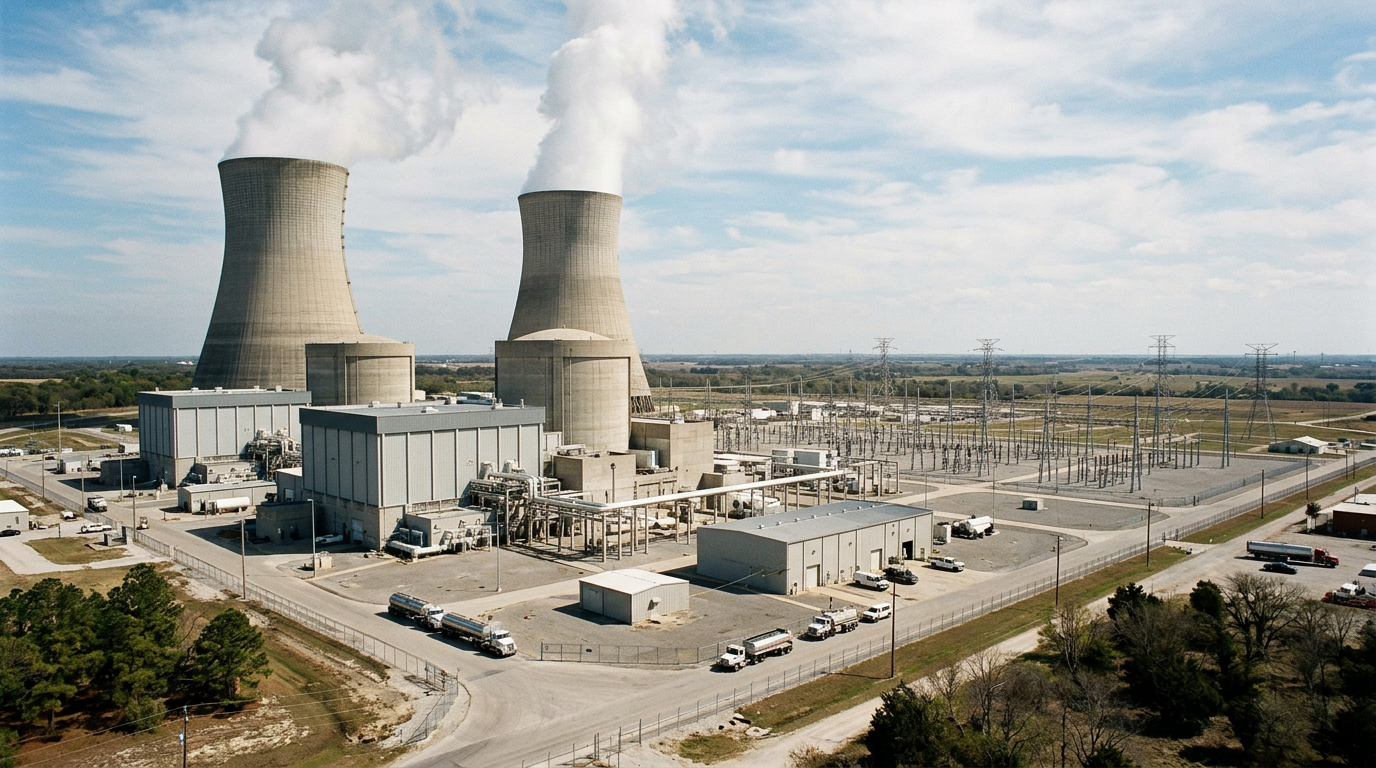
The United States continues to rely on Russian state-owned entities for a significant portion of its nuclear fuel enrichment services, despite legislative efforts to decouple the two markets. Although a formal import ban was enacted in 2024, the policy includes extensive waivers that permit the continued import of approximately 470 tons of Russian uranium annually through 2028.
These exemptions, which historical anti-dumping quotas, have resulted in import levels that remain near pre-conflict averages. Consequently, domestic enrichment capacity remains insufficient to meet national demand, as the U.S. industrial base suffered from chronic underinvestment following the conclusion of the post-Cold War Megatons to Megawatts program.
Financial data indicates that Russian enrichment services accounted for 26 percent of U.S. utility purchases in 2025, with total expenditures reaching $1 billion. This sustained reliance creates a strategic vulnerability, as Moscow retains the authority to restrict exports, potentially impacting the operational stability of the U.S. nuclear power sector.