

US Midterm Results Complicate Bilateral Negotiations with China
The loss of Republican congressional majorities limits the U.S. President’s ability to deliver on bilateral commitments with China, increasing political risk…
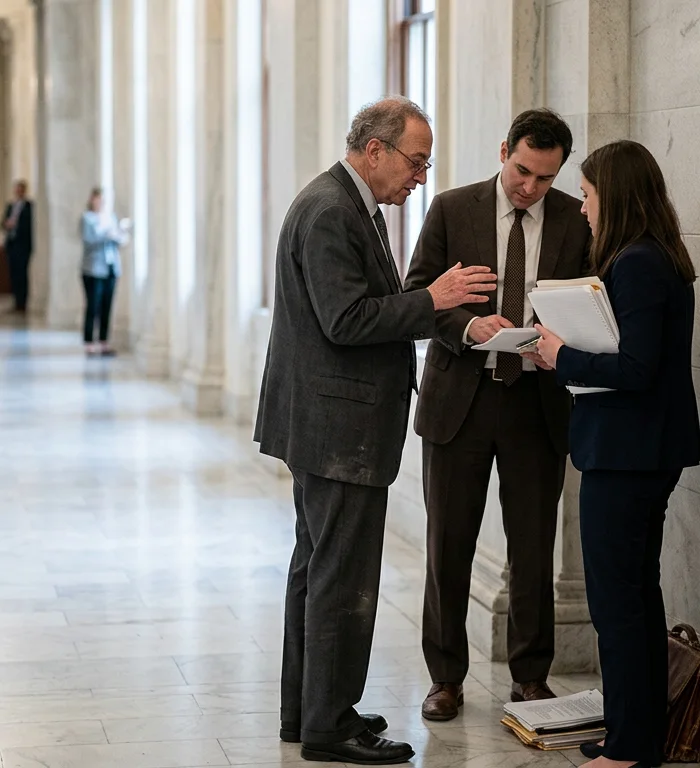
The loss of Republican control over both chambers of Congress following the November 3 midterm elections has significantly altered the landscape for U.S.-China diplomatic engagement. While President Donald Trump maintains personal authority over foreign policy, his capacity to implement major bilateral commitments is now constrained by increased legislative oversight and potential political obstruction from the Democratic-controlled Congress.
Beijing is currently reassessing the viability of the bilateral framework established earlier this year, which emphasized a "constructive and strategically stable relationship." Although both leaders prioritize personal diplomacy, the structural disparity between the two systems has become more pronounced. Unlike the Chinese leadership, which can unilaterally enforce diplomatic agreements, the U.S. executive branch must now navigate a more hostile legislative environment that limits its ability to deliver on significant policy concessions.
This legislative pressure creates a political risk for Key areas of friction, specifically regarding Taiwan and advanced technology, are expected to face heightened scrutiny. Democrats are likely to utilize congressional hearings, investigations, and budgetary powers to challenge any perceived concessions made to Beijing. This legislative pressure creates a political risk for the administration, as any agreement that appears to compromise national security or technological advantages could be leveraged as political ammunition against the White House.
While President Donald Trump
Furthermore, the administration faces internal pressure from the Republican Party as it looks toward the 2028 election cycle. Republican candidates may distance themselves from the President’s China policy if it is framed as a security liability, forcing the administration to balance its desire for foreign policy achievements against the electoral needs of its party. This creates a paradox where the President may be more motivated to secure a deal to demonstrate leadership, yet possesses less domestic flexibility to negotiate the necessary terms.
Institutional risk remains elevated as the administration’s ability to guarantee the longevity of bilateral agreements is diminished. Policymakers should anticipate increased volatility in U.S.-China relations, as the executive branch’s preference for direct negotiation continues to clash with the realities of a divided government and a polarized legislative landscape.
More stories
- FCC approves prison cellphone jamming despite 2.5-mile warning
- Congress tests Black Democrats' growing policy influence
- Cotton faults Lutnick over AI chips allegedly sent to China
- Vance declines to back Iran strikes as Trump defends war
- Paul seeks 20%-30% federal credit for U.S. film shoots
- Trump targets data centers abroad with tax threat to firms
- Sanders proposes $2,400 Social Security increase
- Trump administration plans vaccine-injury payments for doctors
Latest news
- Trump prepares tariffs on China and other major exporters
- New-car buyers pay record average $50,087 in October
- Banks face ECB reserve debate over liquidity and profits
- Investors see Anthropic debut gains fade below $83 a share
- Iraq orders federal control over Kurdish-area oilfields
- Germans oppose Ukraine aid as poll shows support slipping
- Kim Jong-un receives 10 envoys after constitutional shift
- Ukraine claims Libya strike sinks Russian naval corvette