

UK and EU prepare trade and youth mobility deals at Brussels summit
The UK and EU are set to finalize agreements on food standards, carbon trading, and youth mobility, while deferring decisions on tuition fees and broader…
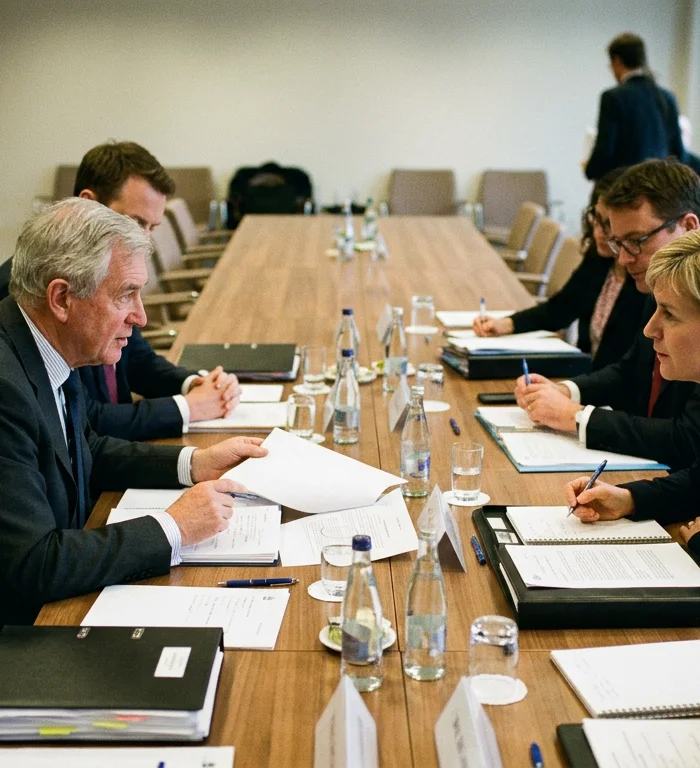
The United Kingdom and the European Union are preparing to conclude three agreements at a Brussels summit following more than two years of talks. The package covers food and drink standards, carbon trading and a youth mobility scheme, marking a further attempt to rebuild cooperation after Brexit.
The meeting follows an earlier summit in May 2025 and comes after the current British administration put closer EU ties near the center of its foreign policy agenda. The agreements would not reverse Brexit, but they would reduce friction in sectors that have faced new checks, charges and regulatory gaps since the UK left the bloc.
The proposed sanitary and phytosanitary agreement would align British food and drink rules with EU standards. Officials say the aim is to remove bureaucracy and eliminate the need for border checks on food exports, easing trade for producers and retailers on both sides.
Food checks and carbon costs
The two sides are also negotiating a link between their emissions trading systems. The deal would be designed to exempt UK and EU businesses from carbon border taxes imposed by both sides and increase liquidity in carbon markets.
The timetable for the carbon trading link has not been settled. A delayed start would leave firms exposed for longer to overlapping tax regimes, adding compliance costs while businesses wait for the two systems to be connected.
The United Kingdom
A youth mobility scheme is also under discussion, offering lower-cost visas for young people to live and work abroad for a fixed period. The UK has sought a cap on the scheme, expected to be around 100,000 participants after negotiations.
Mobility cap and tuition dispute
Implementation of the youth scheme is not expected to take full effect until 2030 because of complications in some EU member states. That timing would put its full effect on politically sensitive UK migration data after the next British general election, which must be held no later than 2029.
Beyond the three agreements, the UK and EU are expected to issue a joint statement on future cooperation in defense, migration, cultural exchange, digital policy and health security. The statement would be political rather than a binding international agreement.
Tuition fees remain one of the unresolved points. EU governments want European students at British universities to regain access to lower domestic fees, while the UK is seeking assurances that British companies will not be disadvantaged by EU “Made in Europe” rules.
The final statement is expected to defer tuition talks by up to six months. Current drafts do not explicitly tie the success of the trade and mobility agreements to the fee dispute, although some EU member states have pushed for a link.
The summit will test how far the British government can move toward closer cooperation with Brussels while managing domestic political limits. The immediate measure of progress will be whether the three agreements are announced and whether the joint statement leaves enough space for further negotiations.
More stories
- Germans oppose Ukraine aid as poll shows support slipping
- Kim Jong-un receives 10 envoys after constitutional shift
- Ukraine claims Libya strike sinks Russian naval corvette
- COP31 climate talks collapse over fossil fuels and funds
- Russian military faces 1,087 recorded suicides in Ukraine war
- US faces China, Russia in Africa minerals contest
- Indonesia seeks Google explanation for 19,372 YouTube removals
- San Antonio faces scrutiny over 50,000-hog farm approvals
- Lulu Retail posts 2% Q3 revenue gain with 53% online sales growth
- Hoax bomb threats disrupt 25 Europe flights
Latest news
- Trump prepares tariffs on China and other major exporters
- New-car buyers pay record average $50,087 in October
- Banks face ECB reserve debate over liquidity and profits
- Investors see Anthropic debut gains fade below $83 a share
- Iraq orders federal control over Kurdish-area oilfields
- Nvidia shares retreat as AI rally cools before PCE data
- Macy’s parade faces balloon limits as storm winds approach