

Houthi reports claim 52 Saudi airstrikes in Yemen
Yemen’s Houthi movement alleged Saudi Arabia conducted 52 airstrikes across Yemeni territory within 24 hours, raising concerns about the fragile peace…
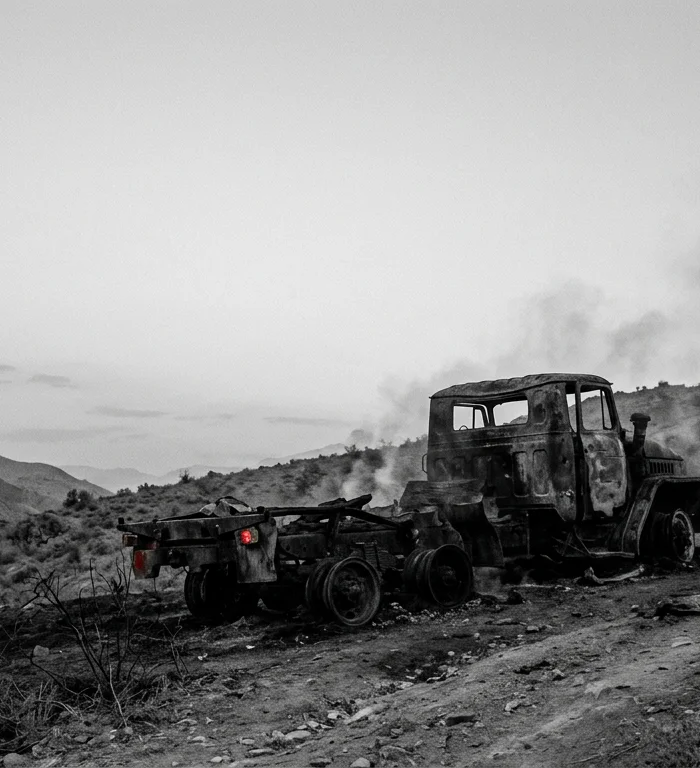
Yemen’s Houthi movement reported Saudi Arabia carried out 52 aerial attacks across various Yemeni regions in the past 24 hours, signaling a potential escalation in the long-running conflict.
The alleged airstrikes come amid fragile de-escalation efforts and ongoing negotiations aimed at securing a lasting peace in the country, which has been mired in civil war for nearly a decade.
Conflict Background
Saudi Arabia
The Yemeni conflict began in late 2014 when the Iran-backed Houthi movement seized control of the capital, Sana'a. This prompted a Saudi Arabia-led coalition, which includes other Gulf states like the United Arab Emirates, to intervene in March 2015 to restore the internationally recognized government. The conflict pits the Houthis against the Saudi-led coalition and allied Yemeni forces. Key international actors include Iran, which supports the Houthis, and the United States, which has provided logistical and intelligence support to the Saudi-led coalition, though its direct involvement has varied over time. Regional Impact of Escalation A renewed escalation of hostilities would threaten regional stability, particularly affecting global energy markets and shipping lanes. Yemen borders the Bab al-Mandab Strait, a critical maritime chokepoint for oil and gas shipments from the Middle East to Europe and North America.
Increased conflict could also strain the diplomatic efforts that have seen Saudi Arabia engage in direct talks with Houthi representatives, often mediated by Oman. Such talks aim to secure a permanent ceasefire and a political resolution, and a breakdown could also impact broader regional alliances and potentially lead to new refugee flows.
Observing Peace Efforts
The situation remains highly fluid, with the international community closely monitoring responses from all parties. Statements from Saudi Arabia, the internationally recognized Yemeni government, or UN/Omani mediators regarding the alleged airstrikes will be crucial for understanding the immediate future of the peace process.
Further Houthi military actions or retaliatory strikes could signal a clear unraveling of the current de-escalation, whereas a downplaying or refutation of the reports, followed by a swift return to negotiations, might indicate a continued commitment to peace.
More stories
- Germans oppose Ukraine aid as poll shows support slipping
- Kim Jong-un receives 10 envoys after constitutional shift
- Ukraine claims Libya strike sinks Russian naval corvette
- COP31 climate talks collapse over fossil fuels and funds
- Russian military faces 1,087 recorded suicides in Ukraine war
- US faces China, Russia in Africa minerals contest
- U.S. interceptors strained by Iran attack on Jordan base
- Crude shipments jump as Russia gains from Saudi strike
- US-Iran conflict lifts oil as Trump weighs new strike risks
- Trump's Saudi nuclear deal puts U.S. firms first in Riyadh
Latest news
- Trump prepares tariffs on China and other major exporters
- New-car buyers pay record average $50,087 in October
- Banks face ECB reserve debate over liquidity and profits
- Investors see Anthropic debut gains fade below $83 a share
- Iraq orders federal control over Kurdish-area oilfields
- Nvidia shares retreat as AI rally cools before PCE data
- Macy’s parade faces balloon limits as storm winds approach