U.S. interceptors strained by Iran attack on Jordan base
The U.S. fired 70 or more interceptors against an Iranian attack on Jordan, intensifying scrutiny of missile-defense stocks and regional supply strains.
Omar Farouk ·
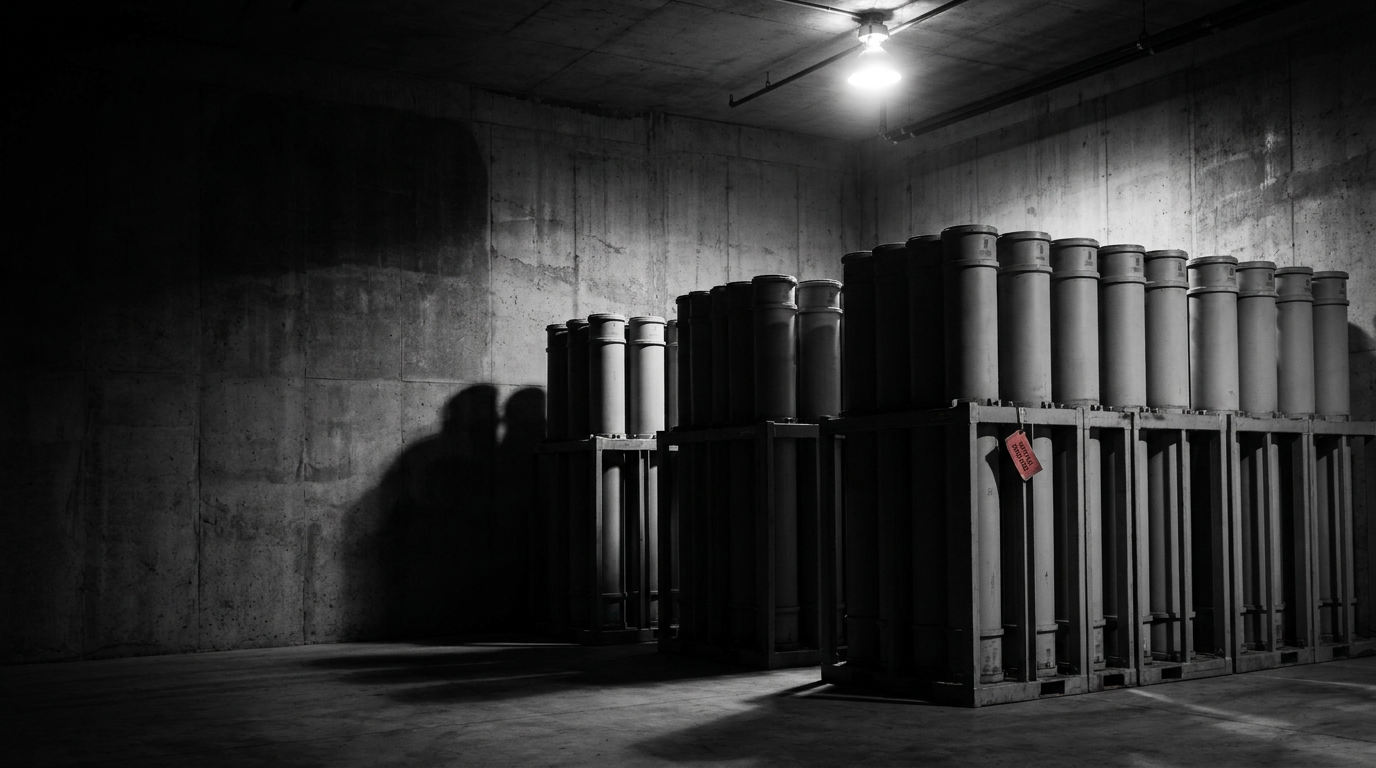
The U.S. fired 70 or more interceptors at roughly 20 Iranian ballistic missiles over Jordan, exposing pressure on regional air defenses. U.S. and regional officials familiar with the matter said the salvo targeted American troops at Muwaffaq Salti Air Base.
Seventy interceptors over Jordan
U.S. forces launched 60 to 70 Patriot interceptors and more than a dozen Thaad rounds during last week's attack, officials said. The munitions use was roughly equal to a full week of expenditure during other phases of the war, one official said.
The attack involved about 20 ballistic missiles carrying warheads that split into more projectiles near their target, according to officials. No U.S. troops were killed, but Iranian missiles hit jet fighters and other aircraft at the Jordanian base, one official said.
Iran tests defense arithmetic
Officials described the strike as part of a broader pattern in which Iran has varied missile types, flight paths, maneuvers and warheads to complicate interception. Fabian Hinz, a missile specialist at Conflict Armament Research, said Iran was continuing to adapt and test which tactics work.
Jordan has become a repeated target during the summer campaign. In July, an Iranian missile attack on Jordan killed three U.S. servicemembers, and U.S. officials have said Iran obtained high-resolution satellite imagery of the base from Chinese entities before that strike.
Stockpiles meet production limits
The Pentagon rejected suggestions that U.S. munitions stocks were depleted. "Reports suggesting that the United States' munitions are depleted are completely false," Pentagon spokesman Sean Parnell said. "The U.S. military remains the strongest and most capable fighting force in the world."
President Trump said Monday on social media that the U.S. has large interceptor holdings and is increasing production. Lockheed Martin produced a record 620 Patriot interceptors in 2025 and has set a goal of roughly 2,000 a year, compared with fewer than one-third of that output last year.
A Defense Department inspector general report this week said the war "has resulted in strategic inventory shortfalls and revealed industrial base bottlenecks for munitions resupply." By mid-July, officials said, U.S. forces had used about 1,700 Patriot interceptors and more than 200 Thaad interceptors, while Navy ships had fired another 150 Standard Missile interceptors.
Gulf allies feel the squeeze
The pressure extends beyond U.S. forces. Gulf governments have sought more interceptors since early in the war, and officials said their own inventories have been drawn down after more than six months of Iranian missile and drone attacks.
Ukraine is another exposure point, as demand for the same class of air-defense munitions has limited the weapons available against Russian strikes, officials said. U.S. officials also view some European holdings of PAC-3 Patriot interceptors and Atacms missiles as beyond critical, with replenishment expected to take years.
The latest exchange followed Iranian missile launches near U.S. warships and U.S. strikes on five Iranian oil tankers, according to officials. Iran then targeted U.S. troops in Jordan, a base it has attacked repeatedly during the summer.
Three paths for the missile race
If Iran keeps firing complex salvos, the global macro channel runs through energy risk and higher security costs around Gulf trade. For U.S. forces, the mechanism is faster interceptor depletion; for defense manufacturers, it is pressure to expand output.
If attacks ease, Washington gains time to rebuild stocks, Jordan's base risk moderates, and Gulf buyers may shift from emergency sourcing to longer-term procurement. The main open questions are how quickly Iran can restore missile production and whether U.S. factories can raise output before another large exchange.