Heat domes test Europe’s grid; Israel pitches climate tech partnerships
As European heat waves spark record temperatures, governments are turning to Israeli climate adaptation and grid-efficiency tech to ensure stability.
Omar Farouk ·
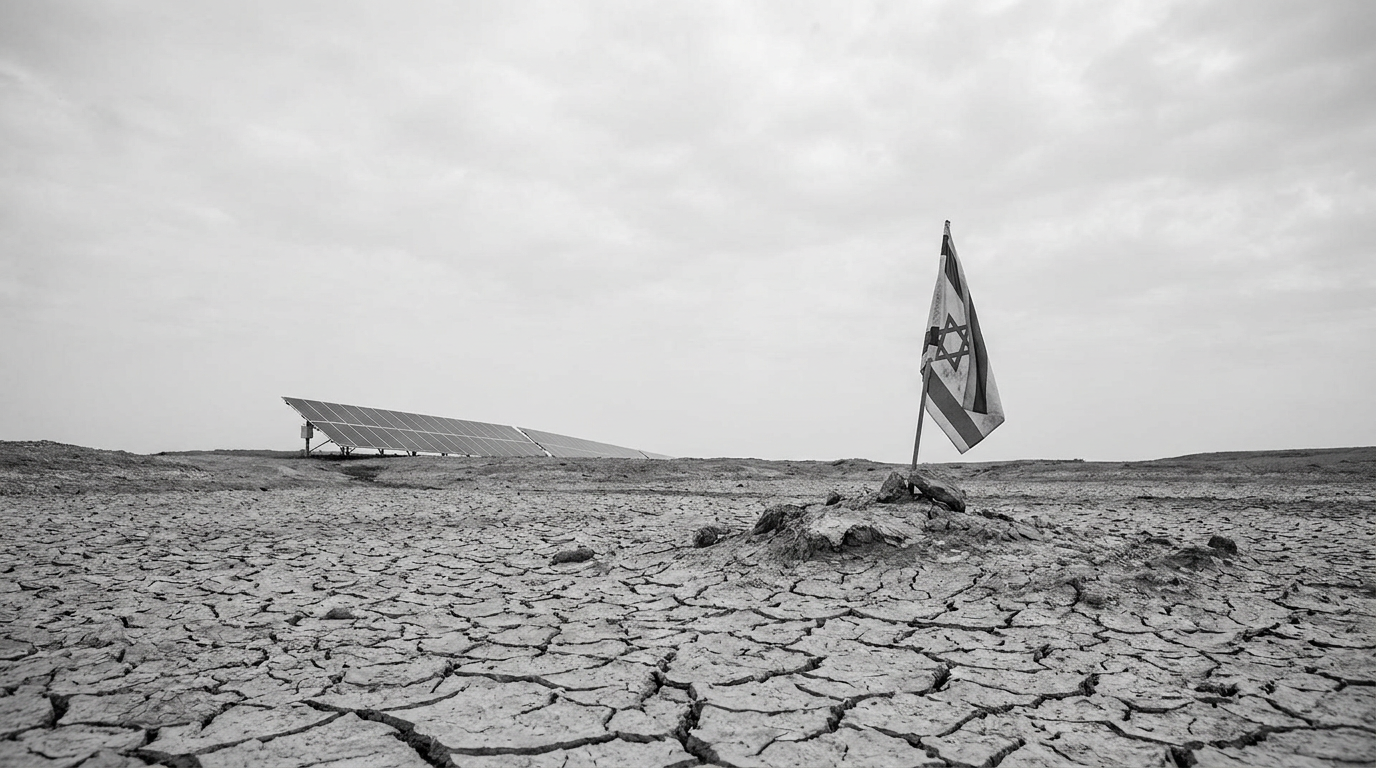
# Heat domes test Europe’s grid; Israel pitches climate tech partnerships
A heat dome that swept across Europe in recent days has driven temperatures to record levels, straining electricity grids, disrupting transport, and prompting government public health warnings. While European capitals focus on emergency measures, Israeli officials and researchers are using the moment to argue that climate adaptation and energy-efficiency technology should be treated as strategic cooperation, not just commercial trade.
While European
The push comes as Israel tries to deepen ties with European partners on energy and innovation even as regional politics remain volatile. The heat-driven crunch in Europe has created a practical agenda item: how to keep cooling demand from overwhelming grids and how to protect critical infrastructure during extreme weather.
Israel has spent years building an export-oriented ecosystem around water management, precision agriculture, and energy technologies suited to hot, arid conditions. Much of that work is driven by domestic constraints: limited freshwater resources, recurring heat waves, and a power system that must cover sharp summer demand peaks.
On the regional energy map, Israel is also a Mediterranean gas producer with growing links to neighboring markets. European outreach to the Eastern Mediterranean has risen since Russia’s invasion of Ukraine reshaped supply priorities, even as security risks across the Levant and Red Sea complicate long-term planning.
Europe’s heat-related power stress is not just a Europe’s heat-related power stress is not just a local story. When temperatures surge, electricity demand climbs for air conditioning while power generation and transmission can face reduced efficiency, raising the odds of price spikes and service disruptions. That dynamic has turned “adaptation” into a near-term security question, creating openings for countries that can offer deployable solutions on grid management, cooling efficiency, and water resilience.
The spillover also touches the Middle East’s core chokepoints. Extreme weather can amplify broader instability by pressuring food and water systems and increasing migration incentives. At the same time, any escalation that affects shipping lanes such as the Strait of Hormuz or Bab al-Mandab would compound energy-market sensitivity during peak cooling seasons, tightening the link between climate stress and geopolitical risk.
By 2026-09-30, watch for a falsifiable signal: a named European government ministry or EU institution launching a formal pilot, procurement, or research program explicitly partnering with Israeli entities on grid-cooling efficiency, water reuse, or heat-health monitoring. If such a program is announced with budgeted tenders or signed memoranda, it will suggest the heat dome translated into durable policy and spending. If Europe limits engagement to informal discussions without funded deployments, it will indicate political or regulatory constraints are keeping cooperation largely rhetorical.