US heat dome pushes grid records before weekend storms hit
A US heat dome is straining power demand and threatening severe storms from New York to Washington during July 4 celebrations.
Lauren Collins ·
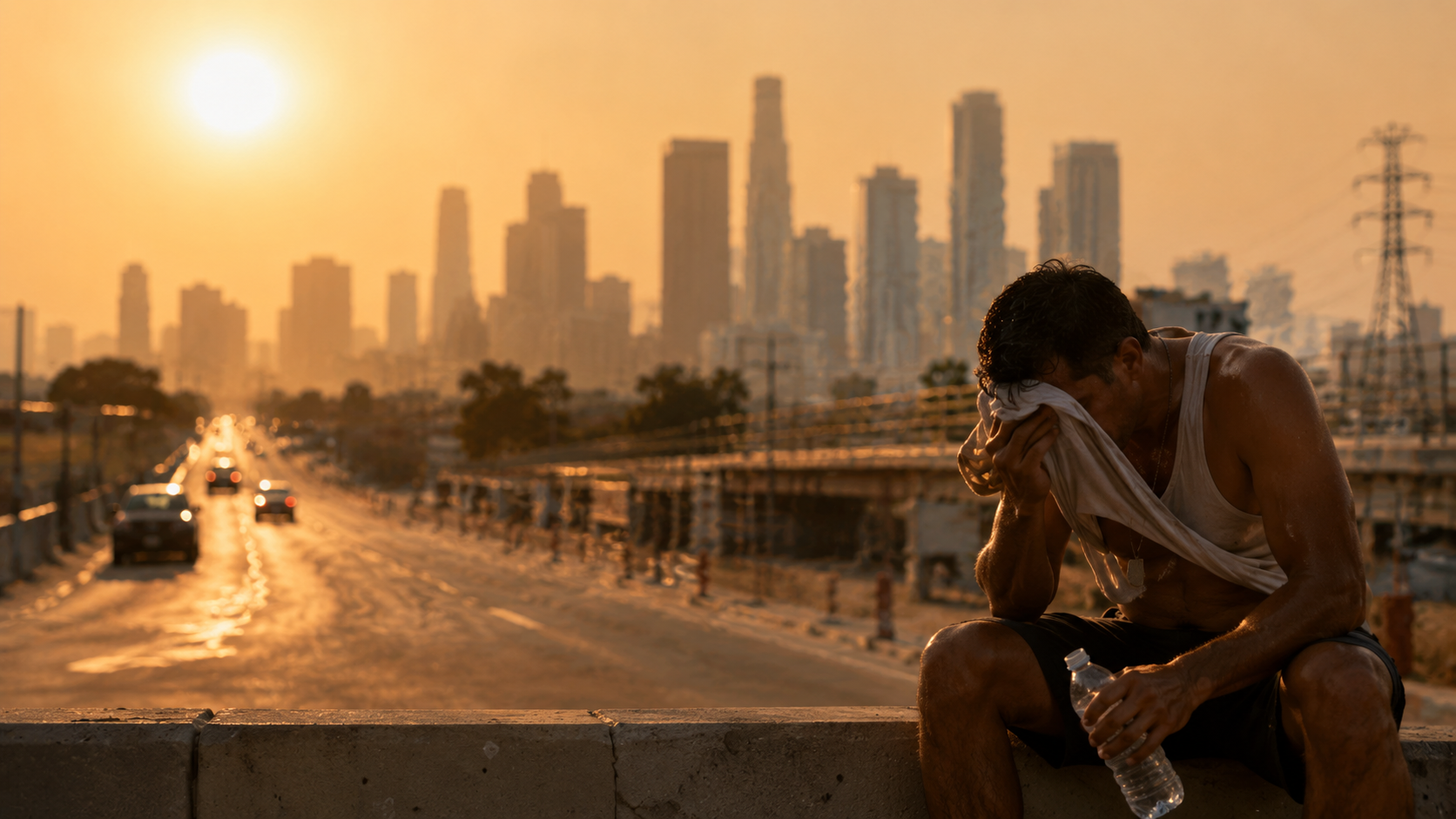
A US heat dome is straining power demand and threatening severe storms from New York to Washington during July 4 celebrations.
The same system that pushed temperatures into triple digits across multiple US cities is now feeding rounds of severe weather along its edge. Washington, DC, has already seen some Independence Day activity disrupted, while utilities face elevated electricity use as cooling demand stays high.
Commercial forecaster AccuWeather said another storm round could develop between New York and Washington into Saturday evening, overlapping with peak public fireworks planning. The risk adds a timing problem for city officials: heat stresses crowds during the day, then storms can threaten outdoor events after sunset.
Storms ride the heat boundary
Warnings for severe weather were active around New York City on Friday evening, with wind gusts forecast to reach 70 mph (113 kph). Gusts at that speed can tear branches loose and send debris into distribution lines, creating localized outage risks even when the broader grid remains intact.
"We have these storms kind of running around the edge of the heat dome, using it as a source of energy," AccuWeather senior meteorologist Melissa Constanzer said. Her description points to the mechanism behind the threat: the hottest air mass helps fuel instability, while storms form around its perimeter.
The weekend forecast matters because the July 4 holiday concentrates travel, outdoor gatherings and municipal events into a narrow window. When extreme heat and thunderstorms arrive together, emergency managers have to prepare for both heat illness and sudden shelter decisions.
Power demand tests utilities
The heat has lifted electricity consumption to record levels, according to the forecast account. That pressure usually comes from air conditioners running longer and harder, especially during late afternoon and early evening demand peaks.
Grid operators and utilities are managing a different risk than event planners. Their challenge is not only total electricity use, but whether storms damage local wires or substations while demand remains elevated.
Temperatures are expected to stay 10F to 15F above average through the weekend, according to the forecast. That reduces the chance of quick relief for power systems, because overnight cooling can be limited when a heat dome holds warm air in place.
For consumers, the practical effect is a higher chance of short-term service interruptions in storm-hit neighborhoods and heavy air-conditioning use across the region. For utilities, the combination narrows the operating margin between routine summer stress and a more complicated response involving crews, repairs and load management.
July 4 events face narrow windows
New York, Washington and nearby communities are facing a moving target rather than a single weather event. If storms arrive before fireworks windows, officials may delay or cancel gatherings; if storms hold off, heat precautions remain the main operational burden.
The broader sector consequence is a sharper test of summer readiness for power companies, local governments and public safety agencies. Heat waves raise electricity demand in predictable ways, but storm damage can turn a regional demand story into scattered local outages.
The macro link is energy consumption rather than a single national economic shock. If the heat holds and storms stay localized, the main effect is higher electricity use and heavier utility staffing; if storm damage spreads across dense corridors, the costs shift toward repairs, event disruption and short-term business interruptions.
For the weather-sensitive industries around the holiday, the next signals are storm timing, wind intensity and outage reports. The open question is whether the heat dome weakens enough to reduce both cooling demand and storm energy, or whether the region enters another cycle of hot days followed by damaging evening storms.