

Gulf states weigh regional security shifts as US elections approach
Rising US election rhetoric is pushing Gulf states to accelerate regional hedging as strategic clarity on American security guarantees remains elusive.
Navigating an American strategic vacuum
Gulf monarchies are recalibrating their regional security frameworks as political volatility in Washington complicates long-standing defense commitments. Officials in Riyadh, Abu Dhabi, and Doha are increasingly wary of the divergence between American electoral discourse and the immediate necessity for a stable security architecture in the Middle East.
The reliance on historical US-brokered guarantees is being tested by the current shift toward multi-alignment strategies. These capitals are now deepening economic and security engagements with China and Russia to offset perceived American domestic preoccupation with the upcoming November elections.
Regional security and domestic cycles
Abu Dhabi
The stalled US-Saudi defense pact stands at the center of this uncertainty. Originally envisioned as a cornerstone of regional integration, the agreement remains tethered to broader normalization tracks with Israel that appear increasingly difficult to finalize before the ballot. For Gulf states, this entanglement creates a precarious period of limbo. Leaders across the Gulf Cooperation Council (GCC) are assessing whether American security policy will maintain its traditional, interventionist stance or drift toward further isolationism once the new administration takes office. Spillover into global energy and trade The instability of these regional alliances directly influences global energy markets and maritime trade. Security in the Strait of Hormuz and the Bab al-Mandab remains contingent upon a credible US deterrent, which regional players now view with mounting skepticism.
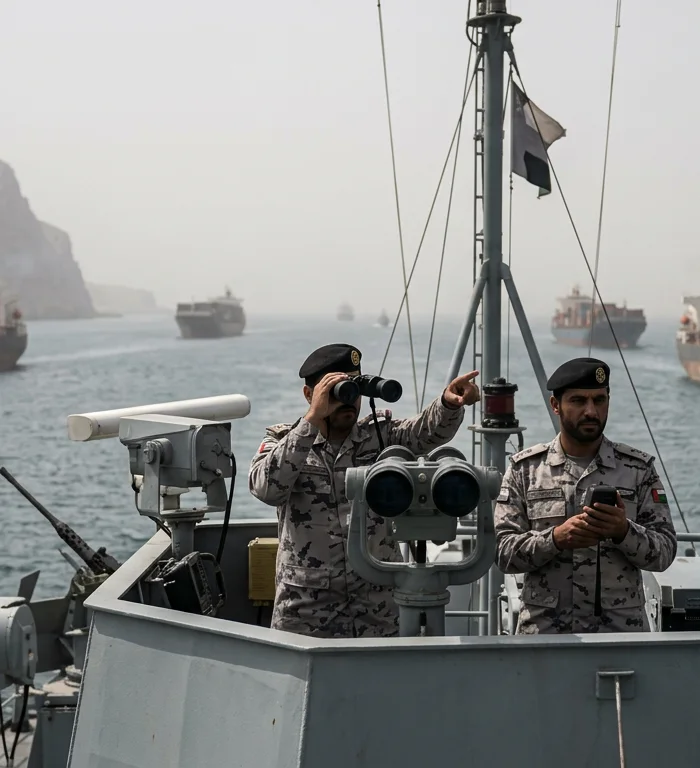
Any perceived weakening of American strategic commitments risks prompting further autonomous action by regional actors to secure maritime transit lanes. This shift could alter the global macro outlook for energy price volatility, as Gulf producers increasingly prioritize regional stability over adherence to legacy Western security frameworks.
The horizon for strategic clarity
The next high-level US-GCC strategic dialogue will serve as the primary indicator for the future of this security architecture.
If the upcoming discussions produce formalized, bipartisan security guarantees, the region may witness a temporary stabilization of existing alliances.
Conversely, an indefinite postponement of these agreements until the next administration assumes office would likely accelerate the current trend toward regional self-reliance. The main open question remains whether Gulf states can successfully bridge the gap between their traditional security dependence and their newfound mandate for strategic autonomy.
More stories
- Germans oppose Ukraine aid as poll shows support slipping
- Kim Jong-un receives 10 envoys after constitutional shift
- Ukraine claims Libya strike sinks Russian naval corvette
- COP31 climate talks collapse over fossil fuels and funds
- Russian military faces 1,087 recorded suicides in Ukraine war
- US faces China, Russia in Africa minerals contest
- Singapore to open 3 MRT stations for 25-minute trip savings
- De Wever offers resignation as Belgium budget talks stall
- Georgia faces surrogacy scrutiny after 1,100 births in 2023
- Iran parliament backs Akhlaghi as defence minister in 237-15 vote
Latest news
- Trump prepares tariffs on China and other major exporters
- New-car buyers pay record average $50,087 in October
- Banks face ECB reserve debate over liquidity and profits
- Investors see Anthropic debut gains fade below $83 a share
- Iraq orders federal control over Kurdish-area oilfields
- Nvidia shares retreat as AI rally cools before PCE data
- Macy’s parade faces balloon limits as storm winds approach