

Gulf states accelerate strategic hedging as U.S.-Israel ties shift
Middle East capitals are pivoting toward defense autonomy as American domestic political friction complicates regional security guarantees.
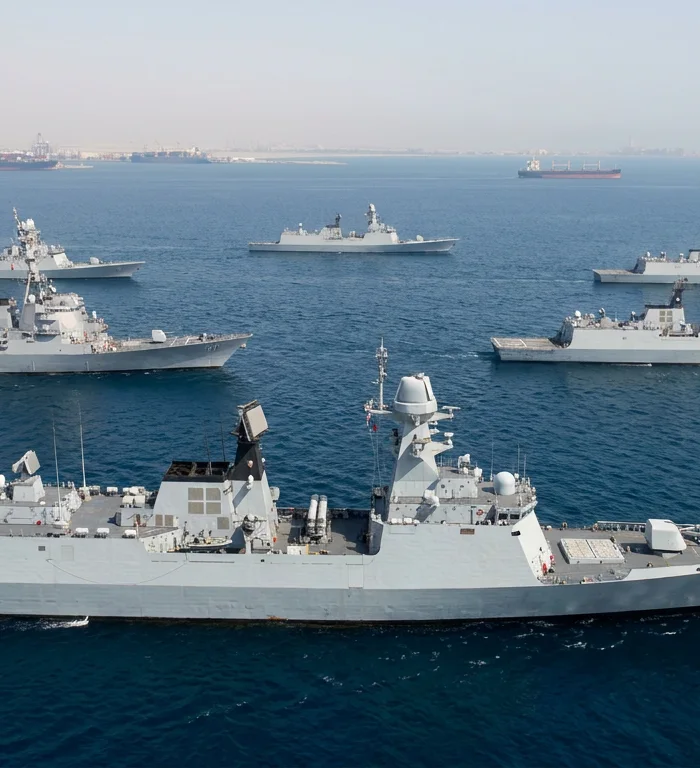
Diversification of defense procurement
Gulf states are quietly accelerating the decoupling of their national security architectures from an exclusive reliance on Washington. Regional policymakers are increasingly concerned that the volatility of the U.S.-Israel alliance leaves their own security frameworks vulnerable to shifts in American domestic politics.
For decades, the Gulf Cooperation Council (GCC) member states relied on the U.S. to serve as the primary balancer against Iranian regional ambitions. This security umbrella provided the stability required for rapid economic transformation, but the ongoing Gaza conflict has challenged the durability of this arrangement.
The middle power hedging strategy
The Abraham Accords of 2020 served as a cornerstone for regional integration, yet today's diplomatic environment forces a different approach. Saudi Arabia and the United Arab Emirates are pursuing a model of strategic autonomy, balancing ties with Washington against deepening economic and security cooperation with Beijing and regional neighbors.
This shift toward middle power diplomacy is not a complete departure from the U.S. security architecture. Instead, it is a risk-mitigation effort intended to ensure that if American commitment to the region wanes, local actors remain capable of managing their own strategic defense.
Security and global energy stakes
The stability of the Strait of Hormuz and the Bab al-Mandab remains the decisive factor for global oil markets and maritime trade. Any perception that the U.S. is withdrawing from its role as the ultimate security guarantor could embolden regional adversaries, forcing Gulf states to reconsider their own engagement thresholds.
Gulf Cooperation Council
The risk of a vacuum is acute. Should current trends in U.S. political discourse translate into a reduced military footprint, the resulting policy drift would force an immediate revaluation of regional security treaties.
Tracking the security pivot
The critical variable for the remainder of the year is the status of the prospective U.S.-Saudi defense pact. If negotiations stall, Gulf states are likely to finalize secondary defense contracts with non-Western providers, signaling a permanent move toward a multipolar security orientation.
More stories
- Germans oppose Ukraine aid as poll shows support slipping
- Kim Jong-un receives 10 envoys after constitutional shift
- Ukraine claims Libya strike sinks Russian naval corvette
- COP31 climate talks collapse over fossil fuels and funds
- Russian military faces 1,087 recorded suicides in Ukraine war
- US faces China, Russia in Africa minerals contest
- Iran changes Hormuz attack tactics, senior officials say
- Ethiopian troops reach Zalambessa border town, sources say
- Trump says Iran war may near end as Yemen risks widen again
- Seoul Central Asia summit targets critical mineral deals
Latest news
- Trump prepares tariffs on China and other major exporters
- New-car buyers pay record average $50,087 in October
- Banks face ECB reserve debate over liquidity and profits
- Investors see Anthropic debut gains fade below $83 a share
- Iraq orders federal control over Kurdish-area oilfields
- Nvidia shares retreat as AI rally cools before PCE data
- Macy’s parade faces balloon limits as storm winds approach