Gridlock as Trump voter ID demand blocks House agenda
Trump voter ID demands are tying up House floor time, delaying a surveillance renewal and a bipartisan housing measure as GOP leaders seek a path out.
Lauren Collins ·
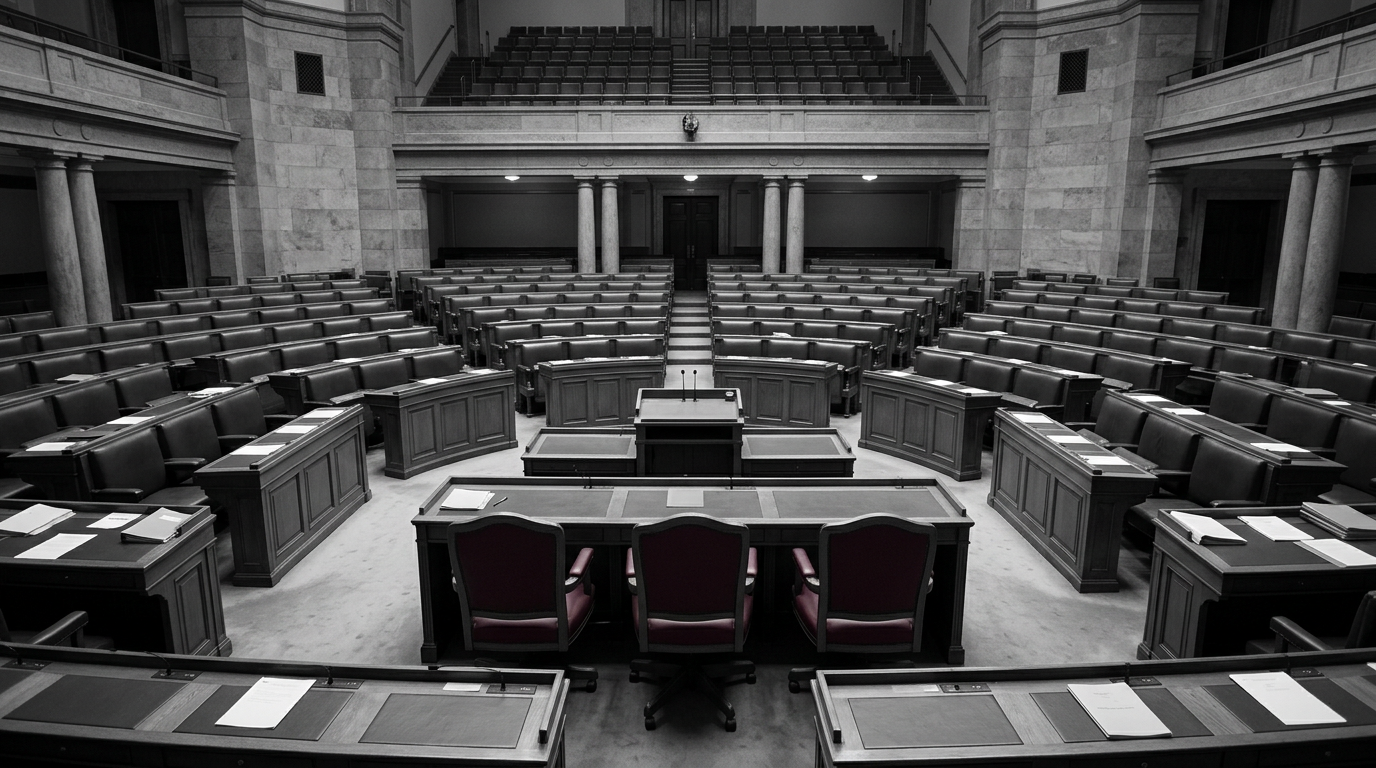
Trump voter ID demands are tying up the House, slowing work on a surveillance renewal and delaying a bipartisan housing bill as leaders search for an exit.
President Donald Trump has urged Republicans to do “whatever it takes” to advance a GOP-backed voter identification proposal, according to Sen. Roger Marshall, R-Kan. That push is colliding with an already crowded legislative calendar and tightening the margins for action on unrelated priorities.
House Speaker Mike Johnson met Trump at the White House on Tuesday afternoon and later said the president wants “to stop the blockade in the House.” Even with that message, lawmakers left the meeting without a clear timeline or plan for breaking the impasse.
House agenda squeezed by voter ID dispute
The standoff is effectively clogging House floor activity, complicating efforts to move legislation that had been positioned as must-do or broadly supported. The logjam is also affecting scheduling for measures that require time-sensitive coordination with the Senate.
Among the items caught in the bottleneck is Congress’s attempt to revive a major surveillance authority. While details of the renewal effort were not provided, such laws typically require periodic reauthorization and can become politically fraught when deadlines near.
The housing measure is also stuck, despite being described as bipartisan. Sen. Kevin Cramer, R-N.D., said Trump downplayed the issue, adding: “I don’t know what’s going to happen with [the housing bill]. He says it’s not a big deal.”
Conservatives look to defense bill as a vehicle
House conservatives are attempting to link the voter ID legislation to the annual defense policy package, a must-pass measure that often attracts policy add-ons. The tactic is designed to force a vote and increase pressure on opponents by tying the proposal to national security legislation.
However, the strategy faces long odds of producing a new law. Attaching contentious election provisions to defense legislation can trigger procedural resistance, complicate bicameral negotiations, and invite a veto threat or Senate rejection even when the underlying defense bill advances.
Marshall said Trump’s posture is maximalist, urging Republicans to do “whatever it takes” to secure passage. That approach can energize the party base but also risks extending the stalemate if party leaders cannot assemble a workable coalition across chambers.
Johnson faces pressure to restore floor control
Johnson’s comments after the White House meeting emphasized a desire to move past the current blockage, but they offered few specifics on concessions or sequencing. The speaker is balancing demands from conservatives seeking leverage and the practical need to keep the House functioning.
The episode underscores how a single high-priority push can ripple through Congress, particularly when floor time is limited and multiple deadlines compete. It also highlights the influence Trump continues to exert over Republican strategy, including the choice of legislative vehicles and the willingness to hold up unrelated items.
Next steps will depend on whether House leaders separate the voter ID push from other measures or continue pursuing a defense-bill attachment. Lawmakers will also watch for signs that Trump intervenes directly to set terms for ending the stoppage, or accepts a compromise that allows stalled bills to move.