GOP Senate spending talks near deal as hemp vote waits ahead
Senate spending talks moved forward after a Vance lunch, but hemp, Russia sanctions, nominees, crypto and college sports still crowd the calendar.
Atlas Newsdesk ·
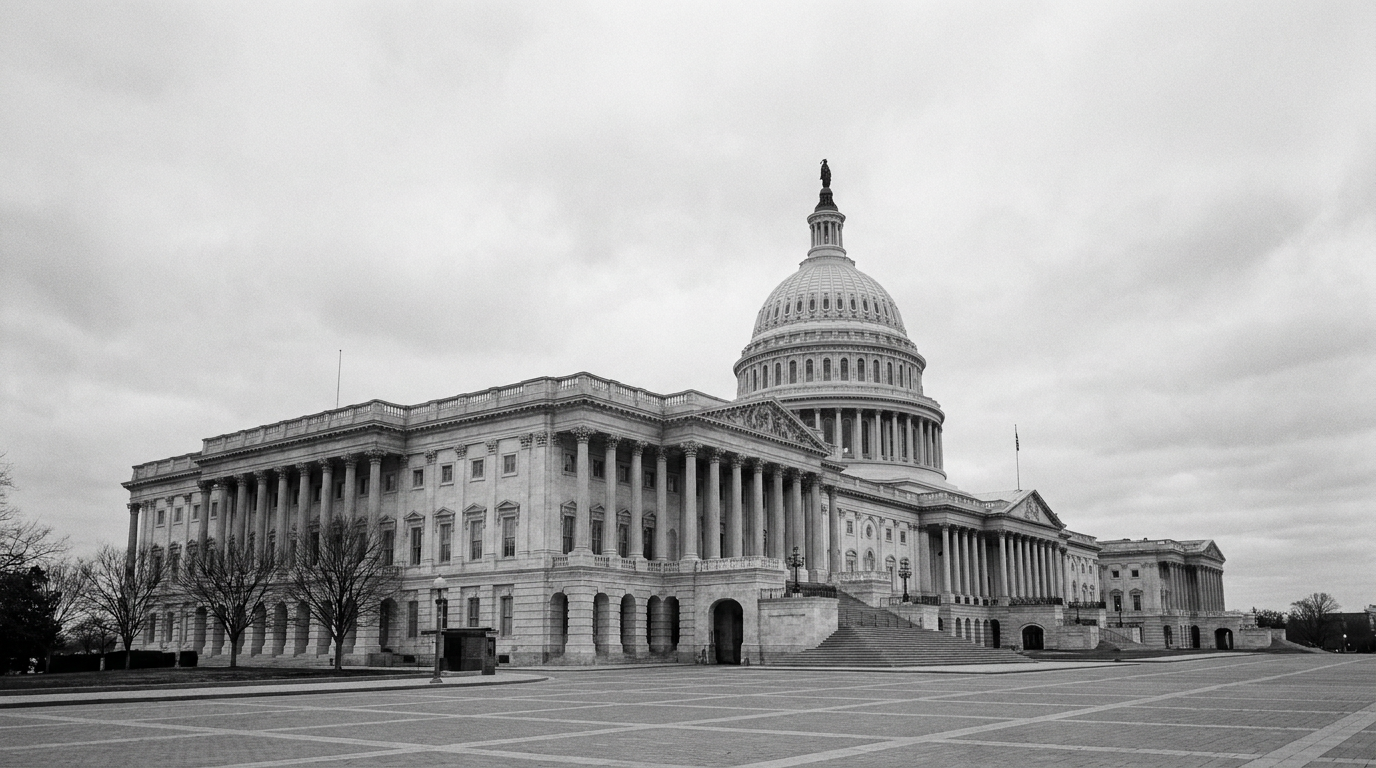
Senate spending talks advanced after GOP senators met Vice President JD Vance, but hemp, Russia sanctions and nominees still threaten delays.
The emerging bargain could determine how much work the chamber clears before its summer break. Republican leaders are trying to finish a government spending bill, a Russia sanctions measure and a nominee package while other bills compete for floor time.
Vance lunch narrows disputes
Republican senators described movement toward an agreement after a lunch with Vance, who joined the talks as the White House pressed to close out the chamber’s agenda. Sen. Katie Britt, R-Ala., said there was “some movement in the right direction,” while leaders continued to work through the spending measure.
Senate Appropriations Chair Susan Collins, R-Maine, put the remaining fight more narrowly, saying there was “just one issue, the hemp issue.” Her description tied the spending bill’s path to a possible vote for Sen. Ted Budd, R-N.C., on scrapping a delay to a government ban on hemp products.
Collins’ role gives the issue added weight because appropriations chairs manage the spending bills that keep agencies funded. When a single amendment dispute blocks consent, leaders usually must spend scarce floor time or renegotiate the package.
Hemp vote shapes spending path
The hemp dispute matters because spending bills often become the vehicle for unrelated policy fights when floor time is limited. A vote on Budd’s proposal would not guarantee adoption, but it could give both sides of the hemp ban a recorded test.
For Republican leaders, the mechanism is procedural: settle the hemp vote, then move the appropriations bill without losing more days. If that bargain holds, the chamber could shift faster to sanctions, nominations and other legislation still waiting for floor time.
Russia sanctions meet tariff limits
Senators are also working on a Russia sanctions package, with amendment votes under discussion that would narrow President Trump’s tariff authority. That pairing would place foreign policy pressure on Moscow alongside a domestic fight over how much discretion the White House should hold on trade tools.
The tariff amendments are important because sanctions bills can become tests of executive power as much as punishment for a foreign government. If senators insist on limiting tariff authority, the package may take longer to assemble while the trade issue remains attached to the sanctions debate.
Blanche vote count slows nominees
Republicans also want to complete a nominee package, but attorney general nominee Todd Blanche is still short of 50 votes. In the Senate, that number is the core threshold for confirmation when all members are present and the vice president is available to break a tie.
The missing votes leave less room for other items, especially with Democrats not ready to vote on cryptocurrency legislation. A college sports bill also looks difficult to finish this week unless leaders can compress debate and avoid additional amendment fights.
For the digital asset industry, a delay in crypto legislation would keep federal rules in negotiation rather than enactment. For universities, athletes and athletic conferences, the college sports measure remains exposed to the Senate calendar, where one unresolved package can crowd out another.
Three paths before recess
If the hemp vote arrangement holds, the near-term effect would be a cleaner spending track and less risk of a stalled appropriations bill. Globally, a completed sanctions package would give allies clearer signals on US Russia policy; institutionally, Senate leaders would show they can trade amendment votes for floor progress.
If the tariff-amendment fight expands, the sanctions bill could slow while senators argue over President Trump’s trade authority. That path would leave global markets watching US tariff discretion for longer, while trade-exposed industries would face a less settled policy map.
If Blanche remains short of 50 votes and Democrats hold back on crypto, the chamber’s week could end with fewer confirmations and no digital asset vote. The open questions are the hemp vote’s terms, the final shape of tariff amendments and whether leaders can find the votes for Blanche before the calendar closes.