Fifth invocations put Fauci contempt vote before Senate
A Senate committee advanced a Fauci contempt vote 8-7 after Anthony Fauci repeatedly invoked the Fifth Amendment during pandemic oversight questioning.
Atlas Newsdesk ·
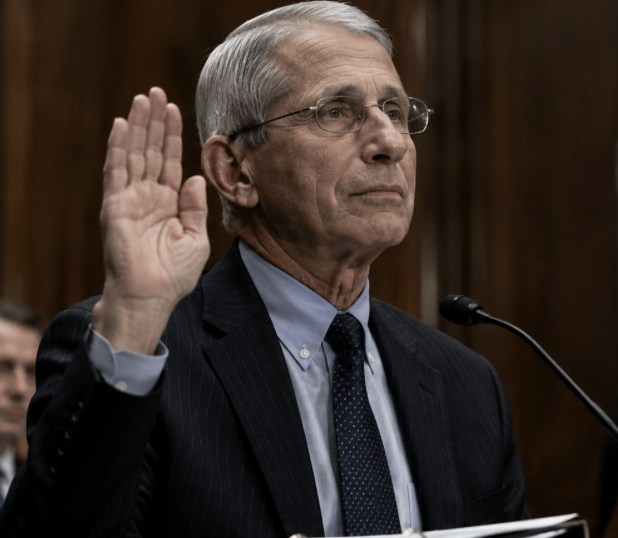
A Senate panel advanced a Fauci contempt vote 8-7, moving a pandemic-era fight over congressional testimony toward a possible referral.
The Homeland Security and Governmental Affairs Committee approved the measure Thursday on a party-line vote, with Republican Chair Rand Paul of Kentucky pushing the referral. The decision followed a hearing last week in which Anthony Fauci, 85, invoked Fifth Amendment protections more than 100 times.
Paul referral clears 8-7
Paul has conducted a yearslong inquiry into the origins of COVID-19 and has argued that Fauci helped obscure how the coronavirus emerged. Those claims sit at the center of the contempt effort, which shifts the dispute from oversight questioning to a possible enforcement fight.
Democrats tried to delay the committee vote through five motions, each of which failed along party lines. One motion from Senator Gary Peters of Michigan, the panel's top Democrat, sought a commitment from Paul not to send the matter directly to the Justice Department without a full Senate vote.
Fifth Amendment drives dispute
Fauci led the National Institute of Allergy and Infectious Diseases for 38 years before retiring in 2022. During the pandemic, he became one of the most visible US health officials and a target for criticism over lockdowns, masking guidance, social distancing recommendations and vaccine promotion.
President Trump and many conservatives criticized Fauci during and after the pandemic response, while public health officials said recommendations were based on evidence available at the time. Health Secretary Robert F. Kennedy Jr. has also challenged pandemic-era health policy and framed changes at federal health agencies as a response to what the administration calls coercive mandates.
Fauci's attorney, David Schertler, called the vote "a crude political stunt intended to punish Dr. Fauci for exercising his constitutional rights" and urged the Senate to reject the resolution. Schertler said Paul had long argued that Fauci should face prosecution, while maintaining that Fauci committed no crime.
Health agencies face spillovers
The immediate effect depends on whether the matter proceeds through the full Senate or is sent toward Justice Department review. A committee contempt vote alone does not resolve whether prosecutors would act, and Democrats are pressing to keep the process inside the Senate before any referral.
The fight also lands during a wider reassessment of federal health agencies under Kennedy. If the contempt effort remains a congressional clash, the macro effect is likely to stay limited, while Fauci faces reputational and legal pressure and health agencies absorb another round of pandemic oversight.
If the matter moves toward prosecutors, the mechanism changes: legal process could extend the dispute beyond committee hearings and draw more attention to pandemic-era decision-making. That path could complicate federal health messaging, affect vaccine and biotech companies that depend on stable guidance, and add another policy uncertainty for public health planning.
If the Senate declines to advance the referral, the inquiry would still leave Paul and other Republicans with a public record to use in future oversight. The main open questions are whether leadership allows a floor vote, whether the Justice Department receives a referral, and how health agencies balance political scrutiny with routine disease-response work.