

US Army Proceeds With $4.4 Tonne Lead Azide Detonation Despite Court Stay
The US Army is moving to detonate 4.4 tonnes of unstable lead azide in Iowa, asserting an emergency exemption that overrides a federal court-ordered stay.
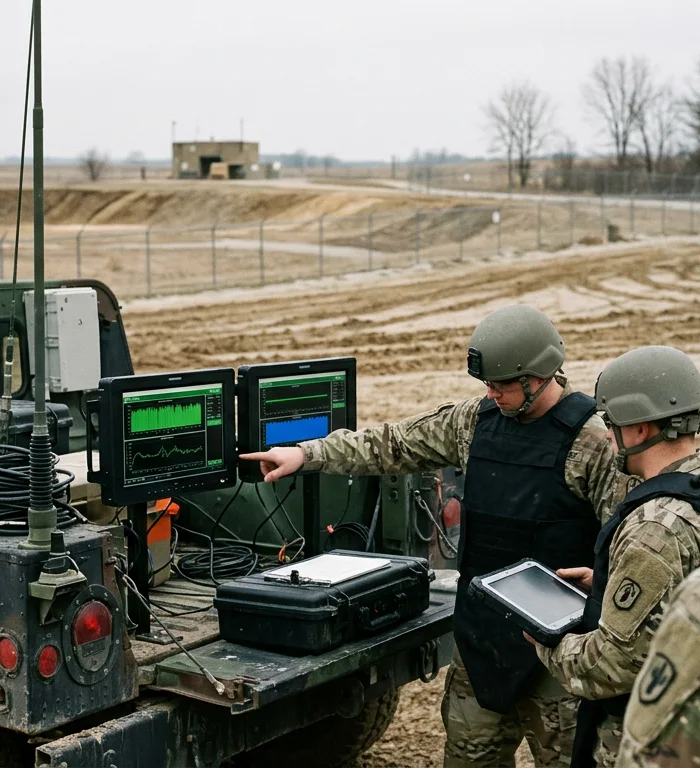
The US Army has announced plans to proceed with the controlled detonation of approximately 4.4 tonnes of lead azide at the Iowa Army Ammunition Plant. This action follows a federal appeals court order that had previously stayed the permit for the operation. The Department of Justice maintains that the military possesses an emergency exemption that supersedes the judicial stay, citing an immediate risk of spontaneous explosion.
Military officials report that the stockpile, stored for over two decades, has become chemically unstable. Technicians discovered that the stabilizing liquid mixture in 68 barrels had evaporated, leading to the formation of shock-sensitive crystals. The Army asserts that the material is now too volatile to transport or neutralize through alternative chemical methods, necessitating an immediate on-site detonation to prevent an uncontrolled event.
Environmental groups and legal advocates have challenged the Environmental groups and legal advocates have challenged the necessity and legality of the operation, arguing that the Army is bypassing judicial oversight. Plaintiffs contend that the emergency status is a result of long-term maintenance failures rather than an unforeseen crisis. They further argue that the proposed detonation lacks sufficient mitigation for the release of lead particulates, which pose significant public health risks to surrounding communities.
The conflict highlights a growing tension between military operational security and environmental regulatory compliance. Legal experts note that the Army’s reliance on an emergency exemption to circumvent a court-ordered stay sets a significant precedent for federal agency authority. The outcome of this operation will likely influence future litigation regarding the disposal of hazardous military materials and the limits of executive power in emergency scenarios.
More stories
- FCC approves prison cellphone jamming despite 2.5-mile warning
- Congress tests Black Democrats' growing policy influence
- Cotton faults Lutnick over AI chips allegedly sent to China
- Vance declines to back Iran strikes as Trump defends war
- Paul seeks 20%-30% federal credit for U.S. film shoots
- Trump targets data centers abroad with tax threat to firms
Latest news
- Trump prepares tariffs on China and other major exporters
- New-car buyers pay record average $50,087 in October
- Banks face ECB reserve debate over liquidity and profits
- Investors see Anthropic debut gains fade below $83 a share
- Iraq orders federal control over Kurdish-area oilfields
- Germans oppose Ukraine aid as poll shows support slipping
- Kim Jong-un receives 10 envoys after constitutional shift
- Ukraine claims Libya strike sinks Russian naval corvette