

Drug-Resistant Pathogens Cause 50,800 Annual Deaths and $12 Billion in Healthcare Costs
Drug-resistant pathogens cause 50,800 U.S. deaths annually, with hospital infections costing $12 billion due to rising antibiotic resistance.
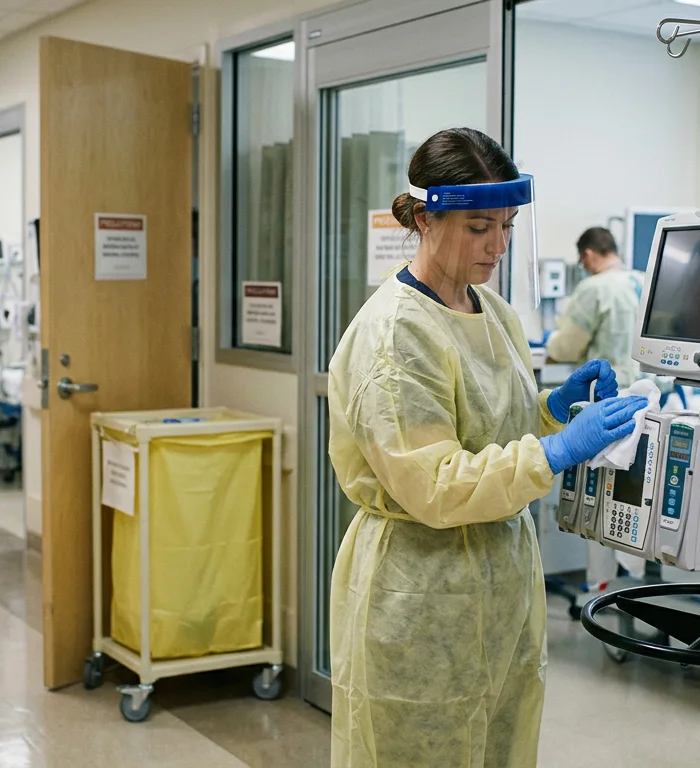
Drug-resistant bacteria and fungi are responsible for approximately 9.7 million infections and 50,800 deaths annually in the United States. Hospital-acquired infections account for over 42,000 of these fatalities, imposing a financial burden exceeding $12 billion on healthcare system. These figures represent a significant increase from previous reporting periods, though officials note that methodological changes limit direct historical comparisons.
The report identifies 19 specific pathogens, categorizing four as urgent threats: Candida auris, carbapenem-resistant Acinetobacter, carbapenem-resistant Enterobacterales (CRE), and drug-resistant Neisseria gonorrhoeae. Candida auris, in particular, has seen a tenfold increase in cases over the last decade, with a 50% rise recorded between 2022 and 2023.
Medical experts attribute the rise in resistant strains to the systemic overuse of antibiotics, particularly for viral infections where such treatments are ineffective. This practice creates selective pressure, allowing resistant bacterial and fungal populations to proliferate. Public health strategies now prioritize enhanced antibiotic stewardship and improved hygiene protocols to mitigate the spread of these pathogens within healthcare and community settings.
More stories
- Dietitians advise small swaps for plant-based eating
- TikTok dementia videos mislead in 66.4% of sample, researchers say
- Aberdeen Royal Infirmary faces police inquiry call over 19 deaths
- Bariatric surgery group loses 28.2% after GLP-1 use
- TOFA boosts mouse energy use 18% while preserving muscle
- ICO probes NHS therapy notes accessible to up to 140,000 staff
- Avocado-mango diet linked to 6.7% vessel function in prediabetes
- Cinaciguat cuts amyloid beta by half in aging rats
- Pennsylvania measles outbreak adds 55 cases in two days
- Scientists Just Found 824 New 'Personality Genes' — But the Real Shocker Is What They Ruled Out
Latest news
- David Parr House to honor Victorian art-workman with blue plaque
- Iran's attacks hit 25 tankers near Strait of Hormuz
- FCC approves prison cellphone jamming despite 2.5-mile warning
- Russia strikes Ukraine as Odesa faces electricity strain
- Bahrain reports two injuries after Iranian aerial attacks
- Congress tests Black Democrats' growing policy influence
- Baltic responders fight Sparta II fire after drone strike
- Europe faces attribution gap after 16 cyber, physical incidents