DEWA approves 793 substations for Dubai power expansion
DEWA approves 793 new substations to expand Dubai’s power network, citing reliability metrics as development lifts grid demand.
Omar Farouk ·
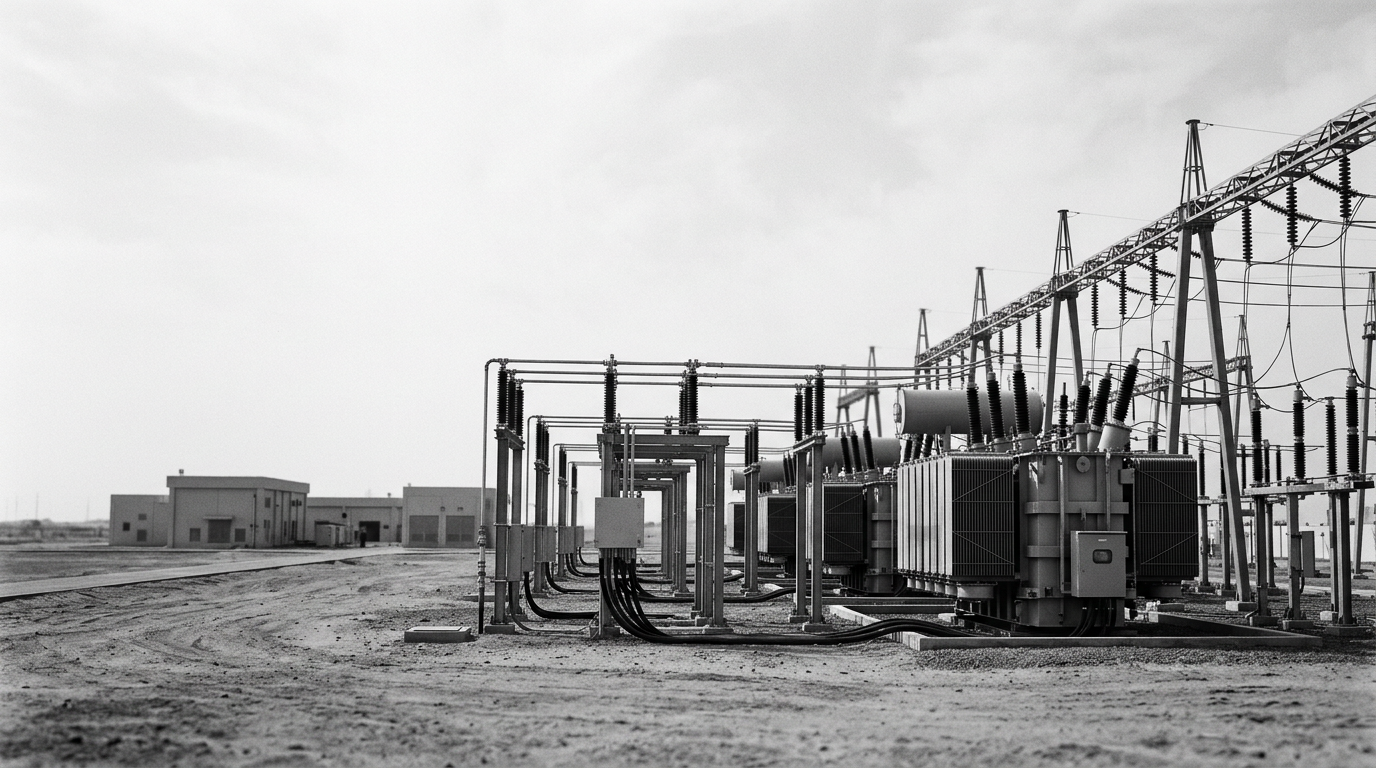
Dubai Electricity and Water Authority (DEWA) said it has approved 793 new electricity substations as Dubai adds housing, commercial districts, and transport links that are pushing up demand on the grid.
DEWA described the decision as part of maintaining service reliability while the network footprint expands. The utility pointed to recent operating indicators as reference points for performance as it scales up.
DEWA frames expansion around reliability benchmarks
In its update, DEWA cited an annual average of 0.82 customer minutes lost for electricity. It also said its transmission and distribution losses were 2%.
DEWA is Dubai’s government-owned utility responsible for electricity and water supply in the emirate. Its capital program typically moves in step with new construction activity and population growth, as additional customers and new districts require more network capacity.
What new substations do in a fast-growing grid
Substations are a central part of power distribution networks because they reduce voltage and route electricity onward to where it is consumed. In practical terms, they support supply to neighborhoods, industrial areas, and large projects by creating more nodes through which power can be directed.
For Dubai, DEWA’s approval signals a wider build-out of basic infrastructure alongside the emirate’s development pipeline. A larger substation footprint can help ease congestion in rapidly developing areas and add redundancy so that outages are more limited in scope when equipment fails or scheduled maintenance is needed.
Regional context: utilities investing to keep pace with demand Across the Gulf, utilities and energy authorities have been investing to match rising peak-load needs associated with air-conditioning demand, industrial expansion, and electrification goals. These pressures often intensify as cities add rail lines, data centers, and large real estate projects that depend on continuous power supply.
In the United Arab Emirates, network build-outs frequently run alongside higher penetration of renewables and broader grid modernization. DEWA’s announcement, however, centers on conventional network expansion and its stated emphasis on maintaining reliability as demand increases.
Key uncertainty: timing, procurement, and delivery DEWA did not provide an implementation timetable or identify procurement awards linked to the 793 approved substations in the announcement. As a result, the main near-term unknown is when projects will move from approval into tendering, contracting, and commissioning updates.
By 2026-12-31, the observable to track is whether official DEWA communications publish dated milestones or procurement actions—such as tender notices, contract signings, or commissioning updates—that clearly correspond to the 793 approvals. That follow-through would indicate that the approvals are progressing beyond planning into execution.