Strait of Hormuz faces Iran's conditional restart terms
Iran says Strait of Hormuz transit will resume only under bilateral terms with Oman, keeping shipping rules and third-party roles in dispute.
Omar Farouk ·
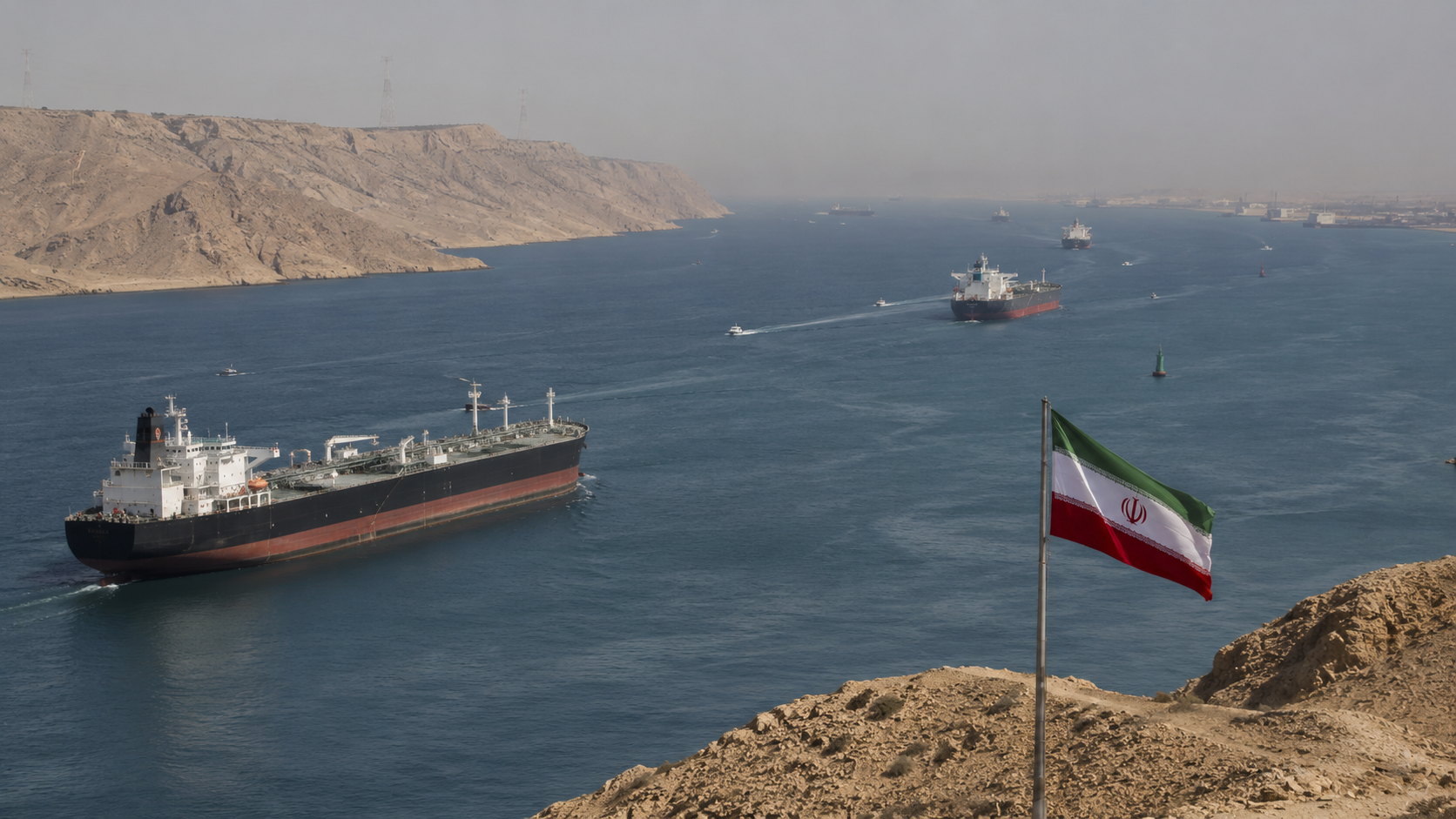
Iran set two conditions around Strait of Hormuz access, saying reopening depends on bilateral terms with Oman and a new transit route.
The position came through remarks attributed to an IRGC spokesperson and Iran's foreign minister, according to the account of their statements. They said any understanding between Oman and Iran would not, by itself, restore vessel movement through the waterway to its prewar pattern.
Oman talks do not unlock passage
Iran's first message was that a reopening would be "conditional, not automatic." In practical terms, Tehran is separating a diplomatic arrangement with Oman from the operational decision to let ships move through the strait under earlier rules.
That distinction gives Iran room to keep negotiations alive while withholding a clear timetable for maritime traffic. No public reopening date was included in the remarks, and the terms Iran wants attached to transit were not fully spelled out.
The absence of a timetable matters for operators that need predictable routing before committing vessels, cargoes and insurance coverage. A political understanding that leaves the mechanics unresolved can still delay commercial decisions.
New route replaces TSS
The second message concerned the TSS, the transit pathway used by ships moving through the strategically important chokepoint. Iranian officials said Tehran rejects the existing system and wants a different path for vessels crossing the area.
Iranian officials also said the geographical coordinates for the new route have been agreed between Oman and Iran. That claim remains single-sourced to Iranian statements in the available account, with no independent text of the arrangement provided.
Tehran is also insisting that the process stay bilateral. It said third parties should not intervene in decisions over the waterway, a position that would limit the role of outside governments or maritime actors in shaping the restart.
Hormuz leverage reaches beyond shipping
Iran is presenting the strait as more than a commercial channel. In Tehran's framing, control over routing gives it a point of leverage after the war and a way to signal that the operating environment has changed.
For tanker operators, insurers and charterers, the immediate issue is not only whether ships can pass, but which rules apply once passage resumes. If coordinates remain unsettled or contested, companies may face longer planning cycles, higher caution from insurers and delays in cargo scheduling.
No shipping company was named in the remarks, which limits any firm-level assessment. The clearest company impact would fall on carriers with near-term exposure to the route, but the available statements do not identify which firms, cargoes or contracts are directly affected.
If Omani-Iranian terms hold and vessels accept a new route, pressure on energy transport could ease through a clearer operating channel. Under that scenario, Iran would show it can reshape procedures in the strait, while the maritime and energy sectors adjust compliance, routing and insurance practices around the new coordinates.
If the dispute over the TSS continues, uncertainty would persist even without a full closure. That scenario would keep the global macro channel focused on energy transport risk, place Iran at the center of any further diplomatic bargaining, and leave shipping firms managing route planning without settled rules.
A third path is a partial reopening under temporary procedures. That would reduce immediate disruption while leaving the larger industry question unresolved: whether the Strait of Hormuz returns to a shared transit framework or becomes a negotiated corridor shaped primarily by Iran and Oman.