Colombia security package anchors Trump’s Latin America push
The US plans $1 billion in aid for Colombia as President Trump aligns with President De La Espriella on security and regional influence.
Sofia Reyes ·
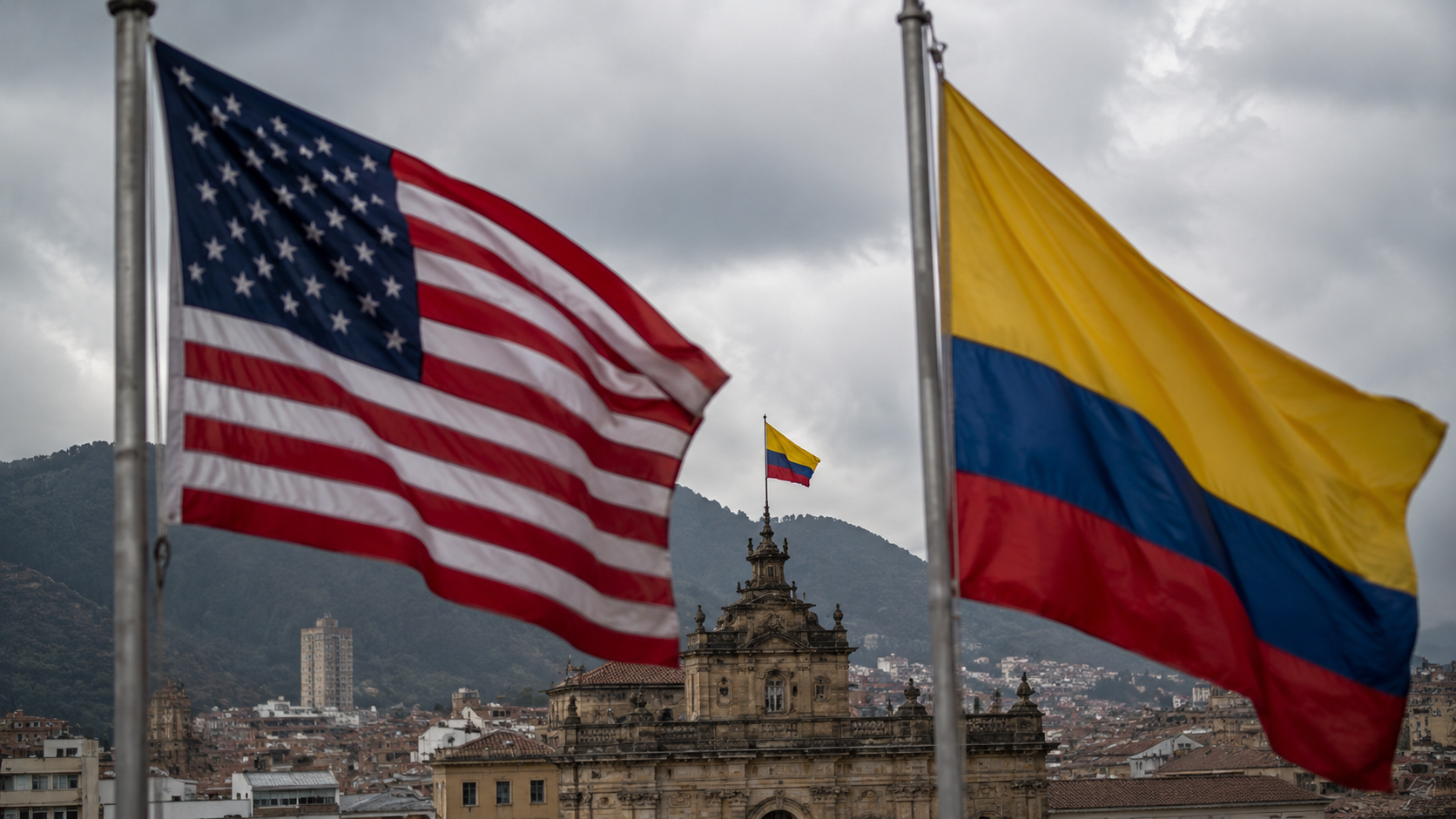
The US plans a Colombia security package of $1 billion, backing President De La Espriella after his Friday inauguration. The aid resets ties with Bogotá.
The State Department said the Trump administration, working with Congress, intends to announce the assistance as part of a renewed partnership with Colombia. The money is framed around security cooperation and support for De La Espriella’s administration.
$1 billion follows inauguration
De La Espriella took office on Friday after campaigning on tougher policing and a recovery in economic activity. President Trump endorsed him during the election, making the aid plan both a security measure and a political signal to the region.
The package still depends on coordination with Congress, according to the State Department’s wording. That caveat matters because the administration can announce priorities, but appropriated assistance normally requires legislative backing or use of existing authorities.
The announcement also moves Colombia into the Shield of the Americas, which the State Department described as a Trump-created alliance. The grouping brings together right-leaning leaders who have pledged closer cooperation against drug trafficking.
Shield widens regional alignment
President Trump has sought a larger US role in Latin America, using security and migration as the main public rationale. His administration casts counternarcotics activity and border enforcement as connected problems that require pressure beyond US territory.
The supplied account says President Trump ordered the seizure of ousted Venezuelan leader Nicolas Maduro in a deadly raid. It also says US forces have carried out several strikes on boats in Caribbean waters, killing dozens.
Rights advocates in the US and abroad have described those actions as illegal, imperial and equivalent to extrajudicial killings. The White House presents them instead as operations aimed at drug trafficking and illegal immigration.
For Colombia, the near-term effect is access to a promised $1 billion security commitment at the start of a new presidency. For De La Espriella, the funds could strengthen his ability to show early movement on crime, provided the money is approved and converted into deployable programs.
Petro disputes frame the shift
The shift follows a tense period between President Trump and Gustavo Petro, Colombia’s former president. Petro, a one-time rebel and the country’s first left-wing head of state, clashed publicly with Trump over Gaza, Caribbean operations and US involvement in Colombia’s election debate.
Petro accused President Trump of being “complicit in genocide” over US support for Israel during the assault on Gaza. He also called for “criminal proceedings” over US attacks on boats in the Caribbean and criticized Trump’s endorsement of De La Espriella.
The sector most directly affected is regional security, including defense cooperation, intelligence sharing, maritime patrols and counternarcotics enforcement. If the $1 billion is directed toward equipment and training, contractors and agencies linked to those programs could see faster procurement cycles.
The macro channel is narrower but still relevant. If the package is approved and Colombia’s security conditions improve, investor attention could shift toward whether lower crime risk supports domestic activity; if violence rises instead, the aid may deepen a debate over the cost and legality of militarized policy.
Three paths now matter. If Congress backs the package, De La Espriella gains early fiscal and political support, the security sector receives a demand signal, and Washington strengthens its regional bloc at a time of competition for influence in Latin America.
If Congress narrows or delays the funds, Bogotá would face a gap between the public promise and available resources. That outcome would limit De La Espriella’s early room for action, slow security procurement and reduce the macro effect to symbolism rather than spending.
If legal challenges or rights criticism intensify around Caribbean operations, the alliance could become a liability for Colombia’s new government. The main open question is whether De La Espriella can use US backing against crime without inheriting the controversy attached to Washington’s broader regional campaign.