

US, China, and Russia Open Talks on AI-Controlled Nuclear Protocols
The US, China, and Russia are negotiating a trilateral commitment to govern the use of artificial intelligence in nuclear command and control systems ahead…
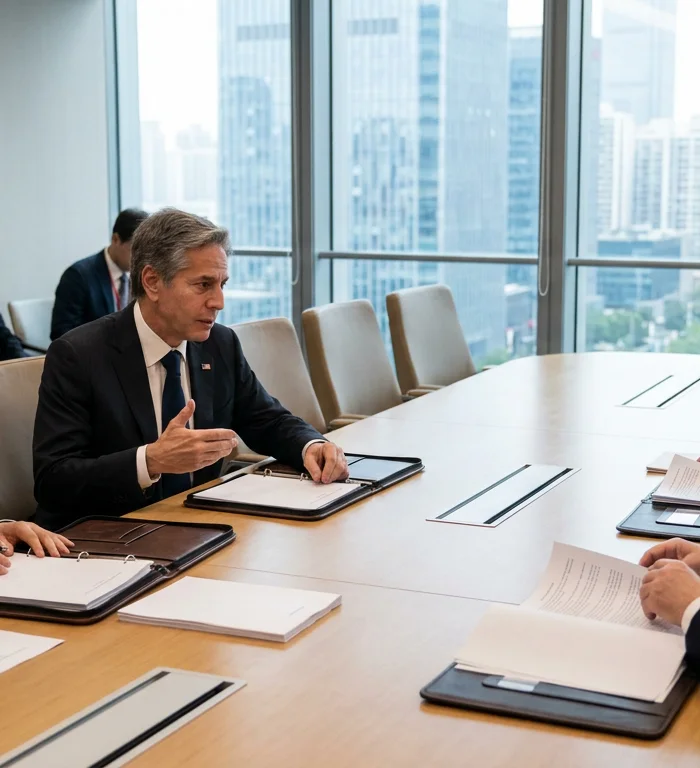
The United States, China, and Russia are currently engaged in high-level negotiations to establish a formal commitment regarding the integration of artificial intelligence into nuclear command and control systems. These discussions are intended to finalize a protocol for leadership engagement during the upcoming APEC summit in Shenzhen. The objective is to secure a trilateral consensus on the governance of AI-enabled nuclear capabilities, marking a shift toward technical risk management in global security.
Diplomatic efforts have narrowed the scope of the upcoming summit agenda to prioritize areas of potential alignment. Contentious geopolitical issues, specifically the ongoing conflict in Ukraine and the denuclearization of the Korean Peninsula, have been excluded from the primary discussion framework to facilitate progress on technical governance. This strategic narrowing reflects a preference for addressing shared existential risks over resolving long-standing regional territorial and security disputes.
The United States
The focus on AI in nuclear arsenals suggests an institutional recognition of the risks associated with automated decision-making in strategic deterrence. By isolating this topic from broader geopolitical friction, the participating nations aim to establish a baseline for international norms regarding the human-in-the-loop requirement for nuclear launch authorization. The success of these talks would represent a significant development in arms control, as it addresses the intersection of emerging technology and legacy nuclear infrastructure.
Policymakers should monitor the outcome of the Shenzhen meetings for signs of a formal joint statement or a memorandum of understanding. Any agreement reached would likely serve as a foundational document for future international AI safety standards. Conversely, a failure to reach consensus on these protocols may indicate a continued inability to decouple technical safety standards from broader strategic competition, potentially increasing the risk of miscalculation in automated defense systems.
More stories
- Germans oppose Ukraine aid as poll shows support slipping
- Kim Jong-un receives 10 envoys after constitutional shift
- Ukraine claims Libya strike sinks Russian naval corvette
- COP31 climate talks collapse over fossil fuels and funds
- Russian military faces 1,087 recorded suicides in Ukraine war
- US faces China, Russia in Africa minerals contest
- Cameroon faces succession test after Biya's 10-week absence
- Germany faces integration gaps with 30% migration-background share
- China rejects US spy claims in Nvidia-linked tech fight
- Italy lower house advances vaccine-sceptic medic return bill
Latest news
- Trump prepares tariffs on China and other major exporters
- New-car buyers pay record average $50,087 in October
- Banks face ECB reserve debate over liquidity and profits
- Investors see Anthropic debut gains fade below $83 a share
- Iraq orders federal control over Kurdish-area oilfields
- Nvidia shares retreat as AI rally cools before PCE data
- Macy’s parade faces balloon limits as storm winds approach