

Brent crude holds above $113 as Houthi strikes rattle Saudi energy sites
Renewed Houthi attacks on Saudi Arabian infrastructure have injected a geopolitical risk premium into oil markets, testing current supply levels.
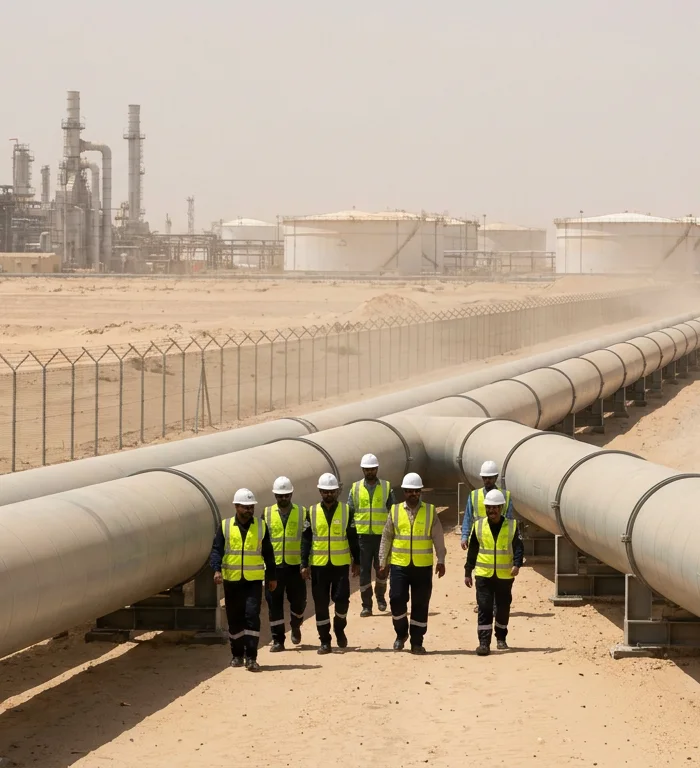
Escalating risk in Saudi energy corridor
Oil prices held above $113 a barrel on Friday as cross-border drone and missile strikes attributed to the Houthi movement intensified pressure on Saudi Arabian energy facilities. The uptick reflects a heightened geopolitical risk premium in global markets, according to traders monitoring the regional stability of major export hubs.
The conflict traces back to a prolonged struggle involving the Houthis, who have frequently targeted Saudi infrastructure as part of their campaign against the Riyadh-led coalition. Previous disruptions, notably the 2019 attacks on Abqaiq and Khurais, caused temporary but severe global supply contractions that influenced market sentiment for months.
Geopolitical fragility and market reaction
While Riyadh maintains significant voluntary production cuts to While Riyadh maintains significant voluntary production cuts to support price floors, the return of volatility challenges its fiscal planning for Vision 2030 initiatives. Saudi leadership has previously relied on sustained oil revenue to underpin its multi-billion dollar economic diversification projects, creating a dependency that makes infrastructure security a primary pillar of its macroeconomic policy. Intermediate diplomatic efforts involving Oman and the United Arab Emirates have struggled to secure a permanent ceasefire, leaving the region in a state of precarious tactical engagement. The potential for further disruption in the Red Sea shipping lanes poses an additional threat to global energy logistics, raising concerns about transit costs and insurance premiums for tankers departing from the Persian Gulf. Structural impact and sector outlook The global macro picture remains sensitive to any sustained loss of Saudi output capacity.
If the current trajectory of strikes leads to physical damage at processing sites, the resulting supply-side shock would likely force the Organization of the Petroleum Exporting Countries and its allies (OPEC+) to reconsider current output quotas during their next monitoring session.
Market observers are currently weighing whether this represents a temporary spike or a shift in the regional security baseline. The persistence of the risk premium suggests that investors are pricing in the possibility of prolonged instability, potentially complicating efforts by consumer nations to manage inflation in the energy sector.
Conditional path for output management
The main uncertainty is whether Riyadh will issue a formal assessment confirming damage to production capacity or characterize the incidents as contained. If these strikes force Brent prices to hold levels above $120, industry analysts expect pressure to mount on OPEC+ to ease production cuts to placate Western consumer nations. Conversely, if operations remain unaffected and the risk premium evaporates, oil prices are expected to normalize as technical fundamentals reassert control over sentiment.
More stories
- Germans oppose Ukraine aid as poll shows support slipping
- Kim Jong-un receives 10 envoys after constitutional shift
- Ukraine claims Libya strike sinks Russian naval corvette
- COP31 climate talks collapse over fossil fuels and funds
- Russian military faces 1,087 recorded suicides in Ukraine war
- US faces China, Russia in Africa minerals contest
- UN climate fund earmarks $20m for Nepal flood recovery
- Ethiopia's coffee sector faces $453m EU export risk
- Trump says Iran tensions meeting at UN went well for US
- North Korea sailors rescued, Japan weighs their return
Latest news
- Trump prepares tariffs on China and other major exporters
- New-car buyers pay record average $50,087 in October
- Banks face ECB reserve debate over liquidity and profits
- Investors see Anthropic debut gains fade below $83 a share
- Iraq orders federal control over Kurdish-area oilfields
- Nvidia shares retreat as AI rally cools before PCE data
- Macy’s parade faces balloon limits as storm winds approach