Before Tisha B’Av, an opinion case for repairing Israel’s social fabric
An Israeli essay argues Tisha B’Av serves as a warning on internal fracture, citing Singapore and Japan as models for social repair amid political strain.
Omar Farouk ·
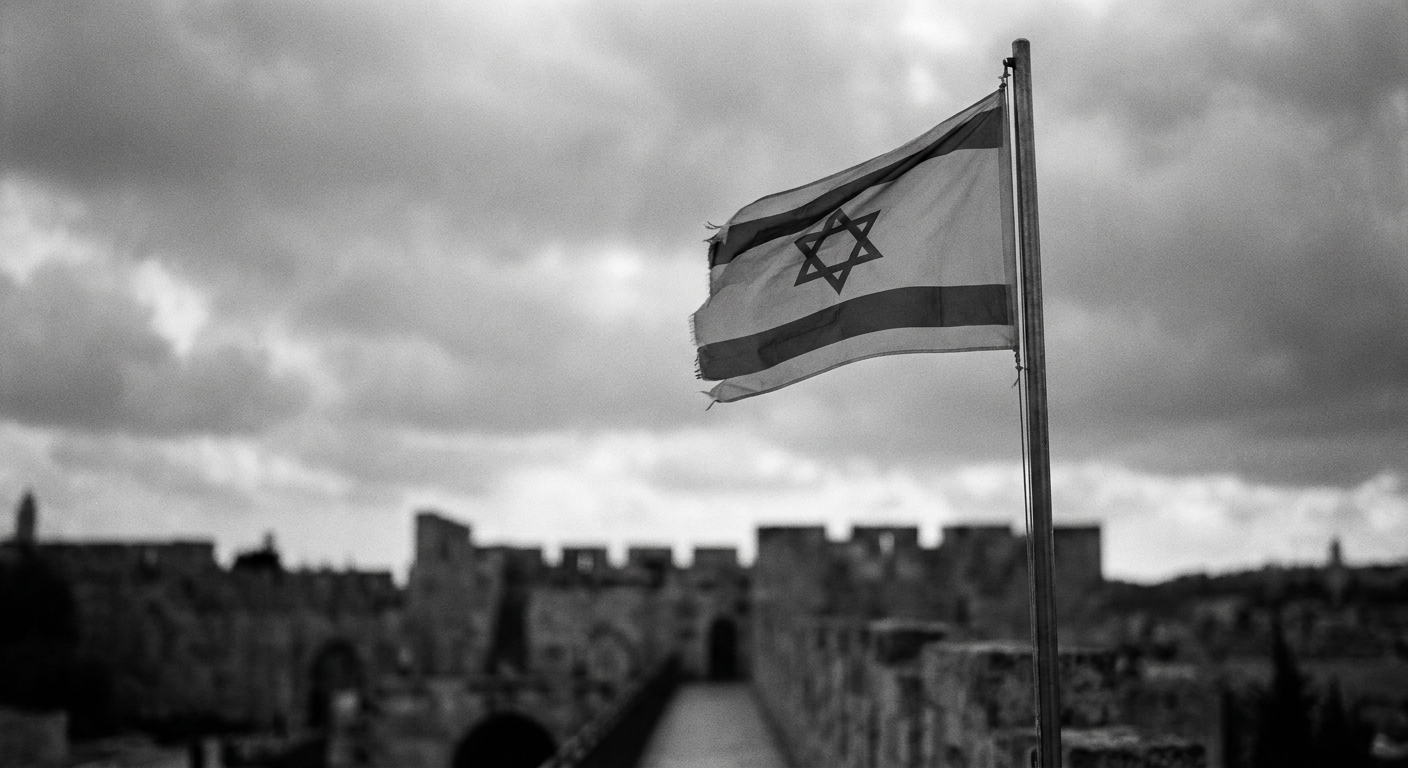
# Before Tisha B’Av, an opinion case for repairing Israel’s social fabric
An Israeli opinion essay published ahead of Tisha B’Av makes a simple claim with heavy historical weight: societies do not only fall to external enemies, they can unravel from within. Using the Jewish day of mourning as its frame, the author argues Israel should study how other countries repaired civic trust after trauma.
It is a cultural and political intervention timed
The piece is not a government statement or a military development. It is a cultural and political intervention timed to a date that, for many Jewish Israelis, has become a yearly referendum on national cohesion.
Tisha B’Av is the ninth day of the Hebrew month of Av, observed as a fast day commemorating catastrophes in Jewish history, including the destruction of the First and Second Temples in Jerusalem. In religious and cultural narratives, that destruction is often linked to internal division and “baseless hatred,” a moral lesson that writers and political leaders routinely adapt to contemporary debates.
In modern Israel, that debate has sharpened in recent years as arguments over identity, the role of religion in public life, judicial power, and the relationship between majority rule and minority rights have moved from parliamentary bargaining into the streets and workplaces. The opinion essay’s core move is to treat Tisha B’Av as an annual prompt to measure not only security threats but also the condition of social trust.
It shapes the country’s ability to sustain long
Domestic cohesion in Israel is not only a cultural concern. It shapes the country’s ability to sustain long military campaigns, absorb economic shocks, and maintain reserve-force readiness, all of which have second-order effects on the wider Middle East. When internal political conflict escalates, it can complicate decision-making at the top and deepen polarization in public messaging, which adversaries may try to exploit.
There is also a global spillover channel. Israel’s regional posture intersects with energy markets and shipping routes that matter well beyond the Levant. Any sustained instability that increases the risk of escalation with Iranian-aligned actors could raise concerns around maritime chokepoints, including the Strait of Hormuz and Bab al-Mandab, even if this particular essay is not making a direct claim about near-term security conditions.
By 2024-11-15, watch for a falsifiable signal that the essay’s civic-repair theme is moving from rhetoric into organized public action: the emergence of a named, cross-sector initiative (for example, a formal framework involving government ministries, local authorities, major employers, and civil-society groups) with published goals, funding, and a timetable aimed at reducing internal polarization. If such a plan is announced with measurable benchmarks, it would suggest Israel’s “social cohesion” discussion is beginning to institutionalize. If no concrete initiative appears, the conversation is likely to remain fragmented, confined to commentary, and vulnerable to being overtaken by day-to-day political crises.