Kyiv missile attack tests Ukraine's air defense pledges
Kyiv missile attack left one confirmed dead as Ukrainian leaders sought more interceptors and Russia reported drone interceptions.
Lauren Collins ·
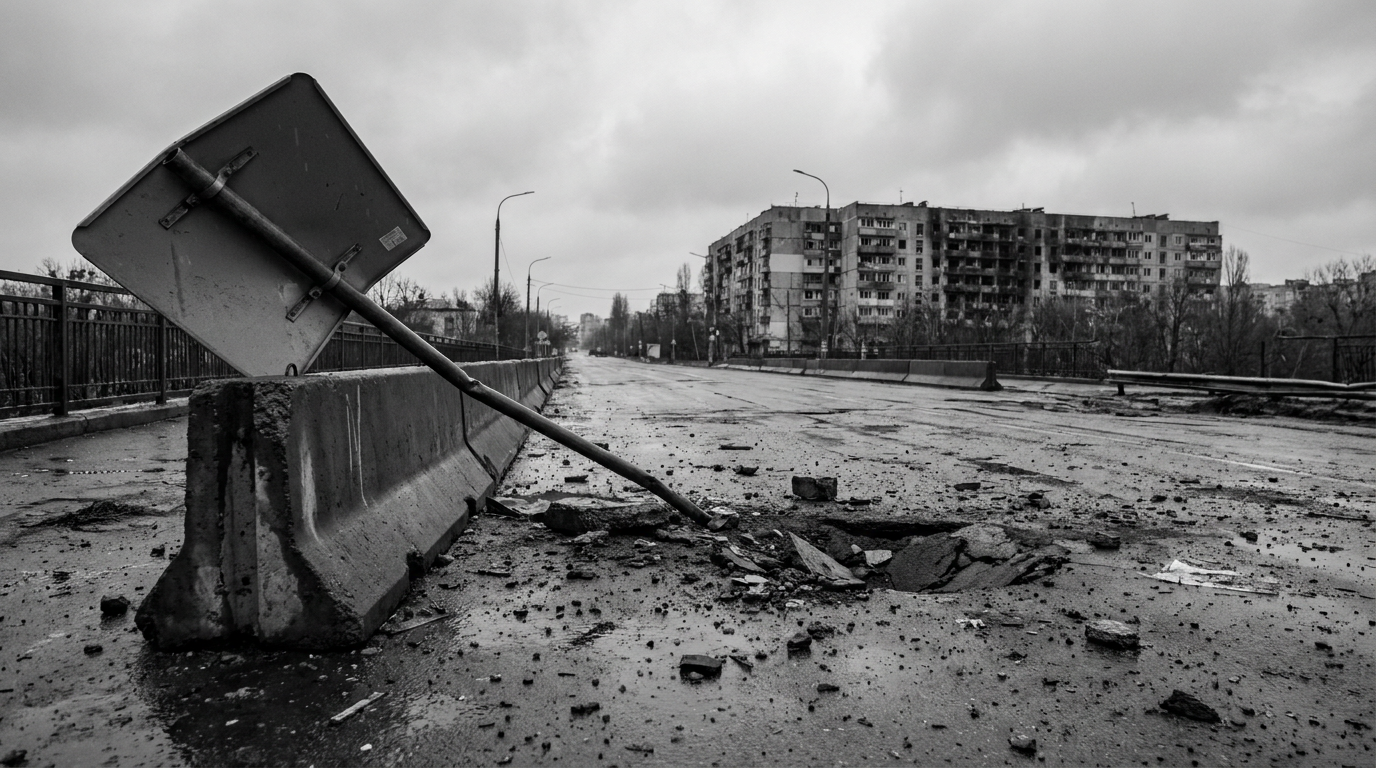
Kyiv missile attack left one confirmed dead overnight, prompting Ukrainian officials to press allies for more air-defense interceptors.
President Volodymyr Zelenskyy said injuries in the capital and nearby areas reached 16. Foreign Minister Andrii Sybiha wrote on X that Russia fired roughly four dozen ballistic missiles, calling it the largest ballistic assault on Kyiv since the full-scale war began.
The strike shifted attention back to a narrow but decisive part of Ukraine's defense problem: ballistic missiles give cities less time to react than slower drones or cruise missiles. Zelenskyy wrote, "Protection against ballistic missiles is our constant and top priority right now."
Kyiv counts ballistic salvos
Sybiha used the attack to argue for stronger pressure on Moscow and faster military support for Kyiv. His account framed the barrage not as an isolated escalation, but as part of a campaign meant to stretch Ukraine's air defenses and civilian emergency services.
Russia's Defense Ministry said its forces carried out a "massive" strike on targets it described as military facilities and support centers in and around Kyiv. The ministry also said sites at Pivdennyi port near Odesa on the Black Sea were hit, along with plants in the capital that it claimed produced missile components.
Those Russian claims could not be independently verified from the supplied material. Ukraine's public account focused instead on civilian harm, the scale of the ballistic launch and the demand for anti-missile systems that can stop high-speed threats before impact.
Weekend strikes cross borders
The Kyiv attack followed a weekend of cross-border air strikes that brought new casualties inside Russia as well as Ukraine. Ukrainian forces on Saturday hit storage sites tied to one of Russia's largest e-commerce marketplaces, according to the supplied account.
Officials in Tambov, southeast of Moscow, reported seven deaths after that strike. A health ministry official said 40 others were being treated in hospitals and clinics after a separate hit on a Moscow-region logistics facility.
Russia's Defense Ministry said its air-defense units intercepted 140 Ukrainian drones overnight. That number, if accurate, points to the scale of the exchange: Moscow is using missiles against urban and industrial targets, while Kyiv is seeking to raise the cost of war inside Russia through drones and strikes on logistics nodes.
Interceptors become the test
The immediate pressure falls on Ukraine's air-defense network, which must decide where scarce interceptors go when missiles, drones and port strikes arrive in overlapping waves. Kyiv's request is specific: more anti-ballistic capability, delivered consistently rather than promised in distant tranches.
For the unnamed e-commerce marketplace whose warehouses were hit, the risk is operational rather than symbolic. If logistics hubs remain exposed, delivery networks, inventory flows and insurance costs can become part of the war's economic damage, even when the companies themselves are not battlefield actors.
The wider sector effect runs through transport and warehousing. If attacks on depots, ports and fulfillment centers intensify, businesses on both sides face higher security spending, disrupted routing and weaker reliability in regions already shaped by military risk.
Three conditional paths now matter. If Ukraine receives more interceptors quickly, Kyiv's civilian risk may fall, Russia's missile campaign could lose some coercive force and defense suppliers would face sustained demand for anti-ballistic systems. If deliveries lag, Ukraine's macro strain would deepen through repeated damage to infrastructure and emergency services, while Russia's drone-defense burden would still rise as Kyiv targets logistics.
If both sides expand strikes on storage hubs and ports, the conflict's economic channel widens from battlefield attrition into trade, transport and consumer supply chains.
The central uncertainty is verification: each side is releasing claims about targets hit, weapons intercepted and damage caused in an active war zone. The next signals are casualty updates from Kyiv, evidence of damage at Pivdennyi port and whether Ukraine's allies move additional interceptor systems from agreement to delivery.