

Ousted Bangladeshi Leader Sheikh Hasina Plans December Return Despite Death Sentence
Ousted Prime Minister Sheikh Hasina intends to return to Bangladesh in December despite a death sentence and the ongoing suppression of her political party.
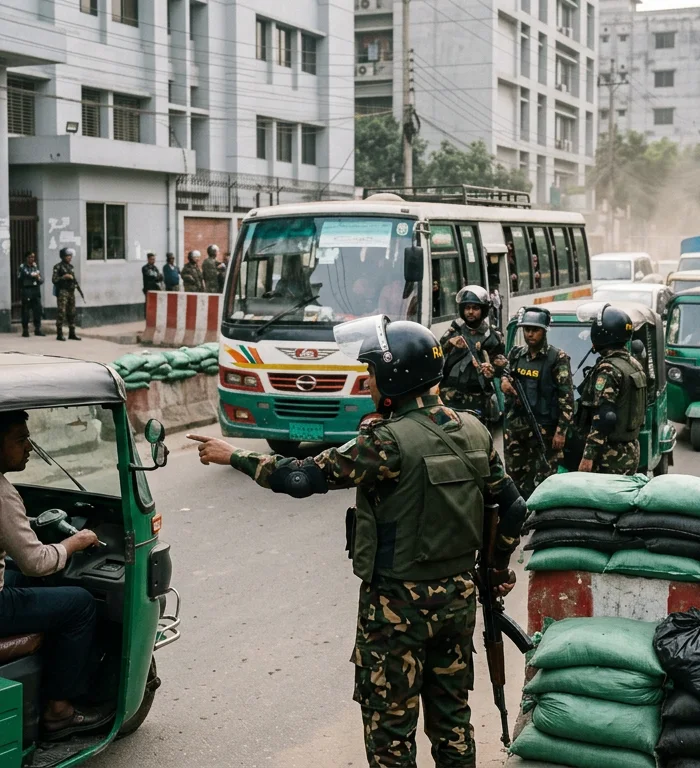
Former Prime Minister Sheikh Hasina has reaffirmed her intent to return to Bangladesh from exile in India this December. Hasina, who was ousted in 2024 following mass protests, currently faces a death sentence issued by a special tribunal for her alleged role in a government crackdown that resulted in approximately 1,400 deaths. She has formally rejected the tribunal's verdict, labeling the proceedings illegitimate.
Hasina’s return presents a significant security and political challenge for the current administration led by Prime Minister Tarique Rahman. Since taking office in February 2025, the government has maintained a ban on Hasina’s Awami League party and has overseen the arrest or displacement of numerous senior party officials. Hasina claims that her supporters face systematic state-sponsored suppression, including extrajudicial killings and the seizure of assets.
While the Bangladeshi government has previously sought Hasina’s
While the Bangladeshi government has previously sought Hasina’s extradition from India, New Delhi has consistently declined these requests. Hasina has not disclosed her logistical plans for re-entry, though she acknowledges the high probability of immediate arrest, imprisonment, or physical harm upon arrival. Her return could exacerbate existing domestic instability, as the current government already faces criticism from international rights organizations regarding the erosion of civil liberties and the rule of law.
Beyond the immediate legal risks, Hasina’s return highlights broader concerns regarding the political trajectory of Bangladesh. She has publicly warned that the current administration’s policies have created a vacuum that allows extremist elements to gain influence. This assessment aligns with reports from various observers regarding the deteriorating law and order situation and the intimidation of minority groups since the transition of power.
Hasina maintains that she is not seeking foreign intervention or protection to facilitate her return, emphasizing that her decision is independent of international diplomatic pressure. As the December deadline approaches, the potential for civil unrest remains high, particularly given the ongoing marginalization of the Awami League and the polarized political environment. Policymakers should monitor the situation for potential impacts on regional stability and the security of diplomatic interests within the country.
More stories
- Germans oppose Ukraine aid as poll shows support slipping
- Kim Jong-un receives 10 envoys after constitutional shift
- Ukraine claims Libya strike sinks Russian naval corvette
- COP31 climate talks collapse over fossil fuels and funds
- Russian military faces 1,087 recorded suicides in Ukraine war
- US faces China, Russia in Africa minerals contest
- Arctic route saves South Korean ships at least 10 days to Europe
- Tinubu seeks $7.7bn external loan for Nigeria deficit
- Dubai asking prices hold as 56,600 homes near market
- Jayakumar highlights Ong's 1993-99 test of Singapore presidency limits
Latest news
- Trump prepares tariffs on China and other major exporters
- New-car buyers pay record average $50,087 in October
- Banks face ECB reserve debate over liquidity and profits
- Investors see Anthropic debut gains fade below $83 a share
- Iraq orders federal control over Kurdish-area oilfields
- Nvidia shares retreat as AI rally cools before PCE data
- Macy’s parade faces balloon limits as storm winds approach