

US Helium Supply Constraints Drive Critical Material Designation and Domestic Investment
The US has designated helium a critical material to address supply shortages caused by geopolitical instability and surging demand from the semiconductor and…
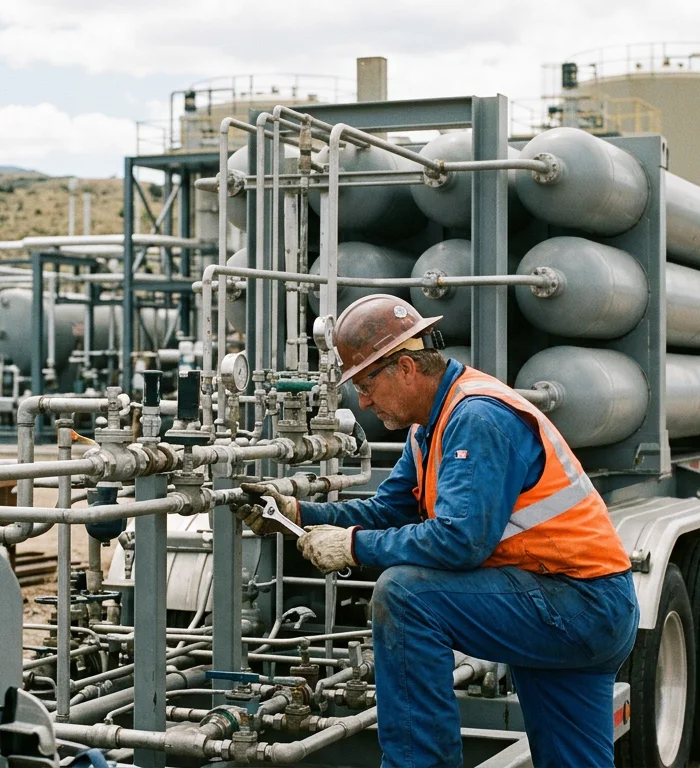
The United States Department of Energy has officially designated helium as a critical material, citing its indispensable role in semiconductor manufacturing and national security. This classification follows severe global supply disruptions, primarily driven by the closure of the Strait of Hormuz and damage to major processing infrastructure in Qatar. These regions historically accounted for over 75% of global production, and current projections indicate that key facilities will remain offline for at least three years.
The supply deficit is further exacerbated by geopolitical restrictions, including Chinese export bans and Western sanctions on Russian helium. The depletion of the US Federal Helium Reserve in Texas has removed a traditional market buffer, leaving domestic distributors with limited stockpiles. Consequently, spot prices for helium have reportedly tripled in 2026, creating significant volatility for industrial consumers.
Industry analysts anticipate that market conditions will remain
Demand for helium is currently being driven by the rapid expansion of artificial intelligence and semiconductor fabrication. Semiconductors now compete directly with the healthcare sector for limited supply, with major tech firms possessing the capital to outbid medical and research facilities for available volumes. Industry analysts anticipate that market conditions will remain constrained through at least mid-2027, with a structural deficit expected to persist for several years.
In response to these supply chain vulnerabilities, the US government is incentivizing domestic production through grants and loan programs. This policy shift aims to secure a reliable supply chain for high-tech manufacturing and defense applications. Private sector entities are responding by accelerating exploration and production projects in regions such as Colorado, prioritizing long-term domestic contracts over reliance on volatile international imports. The transition toward domestic sourcing is now a strategic imperative for US-based technology and industrial firms seeking to mitigate the risk of future supply shocks.
More stories
- FCC approves prison cellphone jamming despite 2.5-mile warning
- Congress tests Black Democrats' growing policy influence
- Cotton faults Lutnick over AI chips allegedly sent to China
- Vance declines to back Iran strikes as Trump defends war
- Paul seeks 20%-30% federal credit for U.S. film shoots
- Trump targets data centers abroad with tax threat to firms
- T-Mobile agrees to drop 50 GB cap in New York broadband deal
- Iran threats put Bessent security alongside sanctions push
Latest news
- Trump prepares tariffs on China and other major exporters
- New-car buyers pay record average $50,087 in October
- Banks face ECB reserve debate over liquidity and profits
- Investors see Anthropic debut gains fade below $83 a share
- Iraq orders federal control over Kurdish-area oilfields
- Germans oppose Ukraine aid as poll shows support slipping
- Kim Jong-un receives 10 envoys after constitutional shift
- Ukraine claims Libya strike sinks Russian naval corvette