

US boosts Mideast presence amid Iran tensions
US troops deploy to the Middle East as Washington weighs options tied to Iran and the Strait of Hormuz while diplomacy continues.
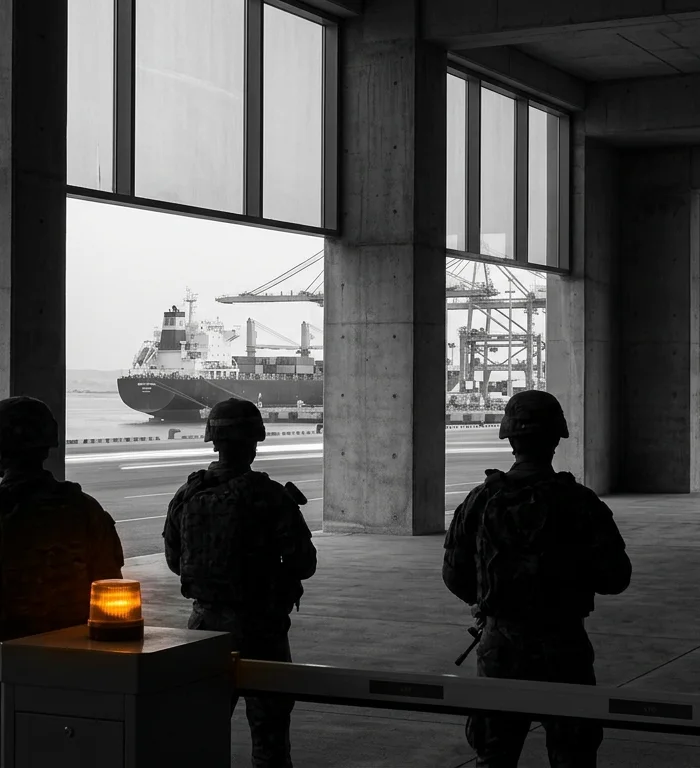
The United States has moved thousands of Marines and Army paratroopers into the Middle East, a step that positions additional forces closer to Iran while Washington says it is still pursuing diplomatic efforts to reduce tensions.
The deployment is described as giving the Trump administration more military options, particularly tied to concerns about the Strait of Hormuz, a narrow maritime corridor central to regional energy flows.
Forces moved and what they are for
The reinforcements include Marines from the 31st and 11th expeditionary units, alongside about 2,000 paratroopers from the US Army’s 82nd Airborne Division.
In attributed remarks, US Secretary of State Marco Rubio said Washington aims to meet its objectives without launching a ground war, while the added presence could support operations intended to reopen the Strait of Hormuz or reduce Iran’s ability to shut it.
Potential targets cited in planning
One location under consideration is Kharg Island, described as a key node for Iran’s oil exports that handles about 90% of the country’s crude shipments.
Other sites mentioned include Qeshm Island, characterized as a storage area for Iranian attack craft and drones, and Larak Island, described as a hub for Iranian weapons.
What has already happened, and what is unclear
The source material states the US has already carried out strikes on 90 targets on Kharg Island. It does not provide dates, damage assessments, or independent confirmation, leaving the operational impact and any follow-on plans unspecified.
The same account notes limits to the current posture: with few heavy armored formations and constrained logistical depth, sustaining a long ground campaign would be difficult. That framing suggests the build-up is oriented toward shorter, more discrete missions rather than extended land operations, though no formal plan is detailed.
Additional mission mentioned: uranium recovery
Beyond maritime and strike options, the deployed forces could also be used for a search-and-recovery effort involving 440 kg of highly enriched uranium that the report says went missing after US strikes last June.
The source describes such an operation as high-risk and potentially costly in casualties for US personnel. It does not specify where the material is believed to be, who assessed it as missing, or what verification exists, which are key uncertainties for evaluating feasibility.
More stories
- Bardella denies antisemitism claims over teenage messages
- Washington targets China in new tariff push on trade ties
- Eisenkot secures first coalition deal but lacks majority
- Germans oppose Ukraine aid as poll shows support slipping
- Kim Jong-un receives 10 envoys after constitutional shift
- Ukraine claims Libya strike sinks Russian naval corvette
- Houthi missiles expand Israel-Hamas war to a new front
- Spanish Euthanasia Case: Castillo Ends Her Life
Latest news
- Norse Atlantic suspends flights in urgent rescue funding bid
- Retailers rethink Black Friday as discount fatigue grows
- Japan data centers face lawsuits over residential sites
- S&P puts Nvidia credit rating on watch over board concerns
- Musk pledges two SpaceX shares per child in new US giveaway
- Morocco targets 2030 World Cup final with new stadium bid
- Barclays puts AI bust risk at center of US growth debate
- US inflation reaches 3.8% before December Fed rate meeting