

Brazil Faces Fiscal Instability and Political Polarization Following Presidential Election
President Lula da Silva begins his fourth term facing a 10% budget deficit, a hostile Congress, and significant market uncertainty regarding his future…
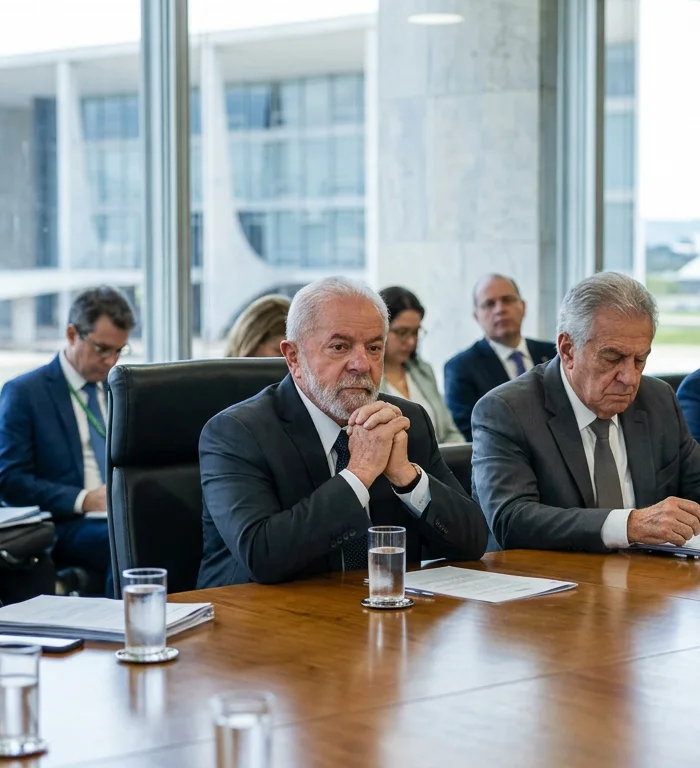
President Luiz Inácio Lula da Silva has secured a fourth term in office, winning by a margin of over four million votes. Despite this electoral victory, the administration faces significant structural challenges, including a hostile legislative environment and heightened volatility within domestic financial markets.
The primary concern for institutional investors remains the country’s fiscal trajectory. Brazil’s budget deficit is currently approaching 10% of GDP, a level described as unsustainable by market analysts. The administration must now determine whether to adopt more orthodox economic policies to stabilize public finances or maintain current spending levels, which risks further inflationary pressure and currency devaluation.
President Luiz In Political governance is complicated by a deeply divided electorate and a legislative branch dominated by opposition forces. The departure of the primary opposition candidate to the United States, coupled with allegations of political persecution, suggests that domestic political friction will persist. This polarization is expected to hinder the administration’s ability to pass critical fiscal reforms or legislative agendas in the near term.
Foreign policy remains a secondary area of institutional risk, particularly regarding the administration's relationship with the United States. The government must navigate potential diplomatic friction with the current U.S. administration, which could impact trade relations and foreign direct investment. The ability of the executive branch to integrate more conservative figures into the cabinet or adopt a more moderate governing style will be a key indicator of future political stability.
Market participants are closely monitoring these developments for signs of policy shifts. The combination of a high fiscal deficit and a fragmented political landscape suggests that Brazil’s sovereign risk profile will remain elevated throughout the initial phase of this term. Future stability will depend on the administration's willingness to implement fiscal consolidation measures and manage the ongoing legislative gridlock.
More stories
- Germans oppose Ukraine aid as poll shows support slipping
- Kim Jong-un receives 10 envoys after constitutional shift
- Ukraine claims Libya strike sinks Russian naval corvette
- COP31 climate talks collapse over fossil fuels and funds
- Russian military faces 1,087 recorded suicides in Ukraine war
- US faces China, Russia in Africa minerals contest
- Indonesia seeks Google explanation for 19,372 YouTube removals
- San Antonio faces scrutiny over 50,000-hog farm approvals
- Policy Alert seeks Nigeria hearing over $50bn offshore plan
- WHO rejects Nigeria outbreak label after 1 imported Ebola case
Latest news
- Trump prepares tariffs on China and other major exporters
- New-car buyers pay record average $50,087 in October
- Banks face ECB reserve debate over liquidity and profits
- Investors see Anthropic debut gains fade below $83 a share
- Iraq orders federal control over Kurdish-area oilfields
- Nvidia shares retreat as AI rally cools before PCE data
- Macy’s parade faces balloon limits as storm winds approach