Peptide Market Booms in US Amidst Health Claims
The US peptide market is rapidly expanding, driven by promises of weight loss, muscle gain, and anti-aging effects, though experts caution about insufficient…
Selin Özalp ·
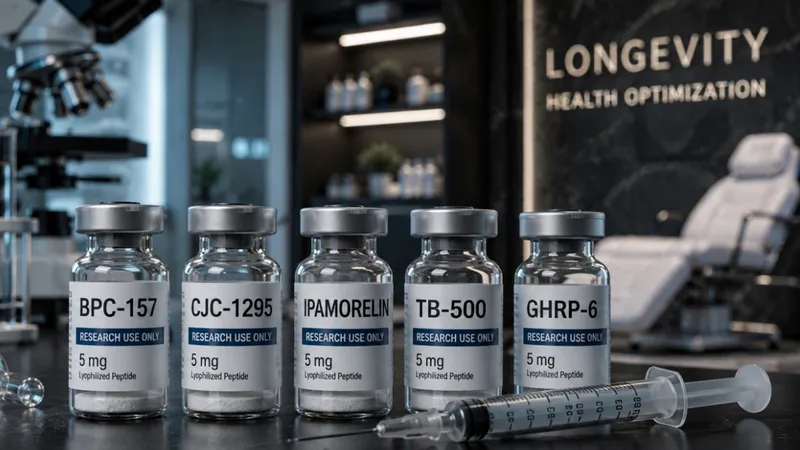
Surge in Peptide Popularity Across the US
Over the past two years, peptides have emerged as one of the fastest-growing segments within the health and wellness industry across the United States. These biological compounds, once confined to research labs and specialized clinics, are now frequently advertised on social media, in fitness centers, and at longevity clinics. Users are presented with a wide array of potential benefits, ranging from a more youthful appearance to accelerated recovery, fat reduction, and enhanced muscle development. However, scientists are issuing warnings that a significant portion of these claims lacks sufficient scientific validation.
From Social Media Trends to Longevity Clinics
The increasing popularity of peptides has been accelerated by the biotechnology interest sparked by GLP-1 class weight-loss medications. Specifically, the "longevity" movement in America has fueled demand for performance-enhancing and anti-aging solutions. Numerous influencers across platforms like TikTok, Instagram, and various podcasts endorse specific peptides, highlighting their purported effects on energy levels, sleep quality, and physical appearance. These posts garner millions of views, leading users to explore increasingly experimental products.
Small Molecules Composed of Amino Acids
Peptides are essentially chains of amino acids, naturally occurring within the body. Some transmit hormone-like signals, while others facilitate intercellular communication. Insulin, a widely used medical treatment, is technically a peptide. However, current discussions primarily revolve around the broad spectrum of peptides utilized for performance enhancement or rejuvenation, rather than those approved by the FDA for specific medical conditions.
High Demand for Specific Peptides
Among the most discussed products in the American market are BPC-157, CJC-1295, Ipamorelin, TB-500, and various growth hormone-releasing peptides. Users claim these products accelerate injury recovery, reduce body fat, or support muscle growth. Some clinics offer them as part of specialized programs. Nevertheless, many of these products have not undergone extensive clinical trials in humans, and some applications are considered experimental.
Growing Regulatory Concerns
The U.S. Food and Drug Administration (FDA) has recently issued several warnings regarding the sale of certain peptides under the guise of compounded pharmacies or research chemicals. The core issue extends beyond efficacy to product quality. Experts indicate that the purity of internet-purchased peptides cannot always be verified, dosage inconsistencies are common, and label information is not consistently reliable. This situation can expose users to substances vastly different from what they expect.
Silicon Valley's Biohacking Trend
A notable cultural shift underpins the peptide craze. The "biohacking" movement has gained significant traction, particularly among high-income professionals in the technology sector. The objective is not merely disease prevention but also extending lifespan, optimizing performance, and slowing biological aging. Blood tests, genetic analyses, continuous glucose monitors, and peptides are integral tools within this approach.
New Avenues in Men's Health
Peptides have also become a new category alongside testosterone therapies in the men's health sector. Many clinics recommend peptide protocols for men experiencing muscle loss, low energy, or signs of aging. While some users report positive outcomes, experts emphasize the importance of considering the placebo effect and the role of lifestyle changes in these results.
Social Media Fuels Success Stories
User experiences play a crucial role in the expansion of the peptide economy. Online forums and Reddit communities host hundreds of thousands of shared experiences. Many users report faster recovery or improved sleep, though negative experiences are also documented. Some individuals have reported injection site reactions, hormonal imbalances, or unexpected side effects.
Unanswered Scientific Questions
Long-term safety remains a primary concern for researchers. While some peptides show promising results in short-term studies, data on the effects of regular, long-term use is limited. Issues such as cancer risk, impacts on the hormonal system, and metabolic changes are still under investigation. Experts stress the need for more clinical data, especially concerning the use of peptides for performance enhancement in healthy individuals.
A Multi-Billion Dollar Industry
The US market for longevity and performance enhancement has attracted substantial investment in recent years. Wellness clinics, telehealth ventures, and biotechnology firms are actively developing new products. Some investors view peptides as a potential tool for future personalized medicine. Conversely, regulators are concerned about the widening gap between scientific evidence and commercial promises.
Balancing Desire for Youth with Medical Reality
Are Americans using peptides putting their health at risk? The answer depends on the specific product, dosage, manufacturing quality, and individual health status. Certain FDA-approved peptide treatments, administered under medical supervision, have long been part of established medicine. However, when it comes to products purchased online or those lacking sufficient research, the risks significantly increase. This situation highlights a major tension in modern healthcare: people desire longer, stronger, and younger lives, yet science has not yet provided definitive answers in all areas.