

Saudi Arabia Replaces Coalition Commander Following Territorial Losses in Yemen
Saudi Arabia has replaced its coalition commander in Yemen after government forces retreated from the Bab el-Mandeb Strait, allowing Houthi forces to advance…
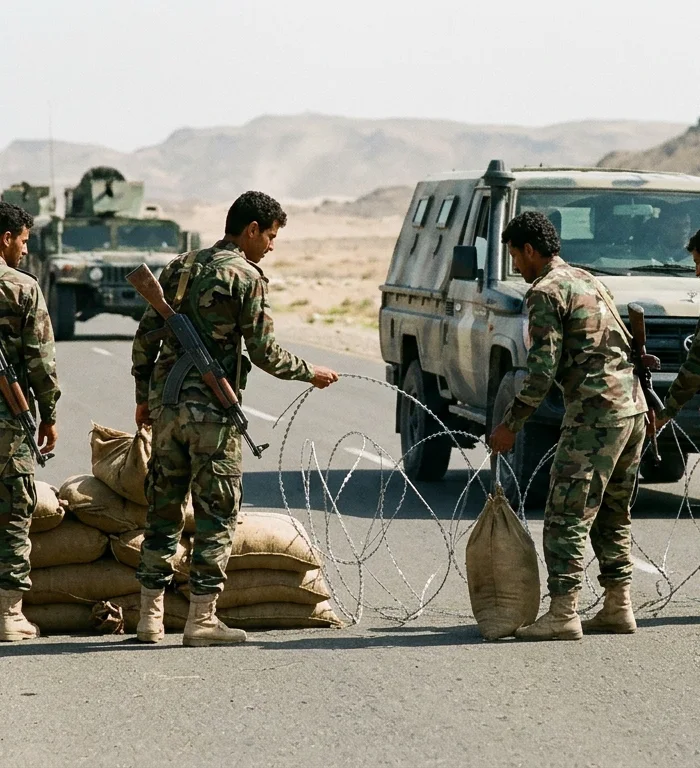
Saudi Arabia has replaced the commander of the coalition forces operating in Yemen following significant territorial losses to Houthi forces. Lieutenant General Fahd bin Hamad Al-Salman has been reassigned to an advisory role, with Chief of the General Staff General Fayyad Al-Ruwaili assuming command of the joint forces. This leadership transition follows the withdrawal of Saudi-backed Yemeni government forces from key positions near the Bab el-Mandeb Strait.
The strategic retreat, intended to consolidate defenses around the port city of Aden, has allowed Houthi forces to advance toward the southern coast. Reports indicate that Houthi units have reached areas approximately 100 kilometers west of Aden and are currently within 25 kilometers of government defensive lines. The loss of territory along the Red Sea coast represents a major shift in the conflict, which reignited this summer following a period of relative dormancy.
Saudi Arabia
The Houthi advance is compounded by internal fragmentation within the Yemeni government’s military and political structures. Analysts note that long-standing infighting has weakened the government's ability to mount a cohesive defense or sustain counter-offensives. While government forces are currently attempting to reorganize along new front lines to protect Aden and Lahj province, the proximity of the conflict to the government’s seat of power has increased regional instability.
Beyond the immediate territorial impact, the Houthi resurgence poses a heightened risk to international shipping lanes and regional energy infrastructure. The group has continued to utilize ballistic missiles and drones to target Saudi airports and oil facilities. The shift in military command signals an urgent effort by Riyadh to stabilize the front and mitigate the strategic advantages gained by Iran-aligned forces in the broader Middle Eastern conflict. Future developments will likely focus on the government's capacity to hold the perimeter around Aden and the effectiveness of the new coalition leadership in addressing the current tactical disadvantage.
More stories
- Germans oppose Ukraine aid as poll shows support slipping
- Kim Jong-un receives 10 envoys after constitutional shift
- Ukraine claims Libya strike sinks Russian naval corvette
- COP31 climate talks collapse over fossil fuels and funds
- Russian military faces 1,087 recorded suicides in Ukraine war
- US faces China, Russia in Africa minerals contest
- Portugal targets more than 20,000 electric cars with subsidies
- Kallas faces EU role doubts after seven-member Ukraine talks snub
- Japan faces ASEAN doctrine test after Fukuda dies at 90
- Palm oil buyers face EU deforestation risk from Dec. 30
Latest news
- Trump prepares tariffs on China and other major exporters
- New-car buyers pay record average $50,087 in October
- Banks face ECB reserve debate over liquidity and profits
- Investors see Anthropic debut gains fade below $83 a share
- Iraq orders federal control over Kurdish-area oilfields
- Nvidia shares retreat as AI rally cools before PCE data
- Macy’s parade faces balloon limits as storm winds approach