

Carlson Discusses MAGA movement and Iran conflict
Tucker Carlson said rising Iran tensions could threaten Trump’s MAGA agenda, as reports describe Trump disagreeing with Carlson’s view.
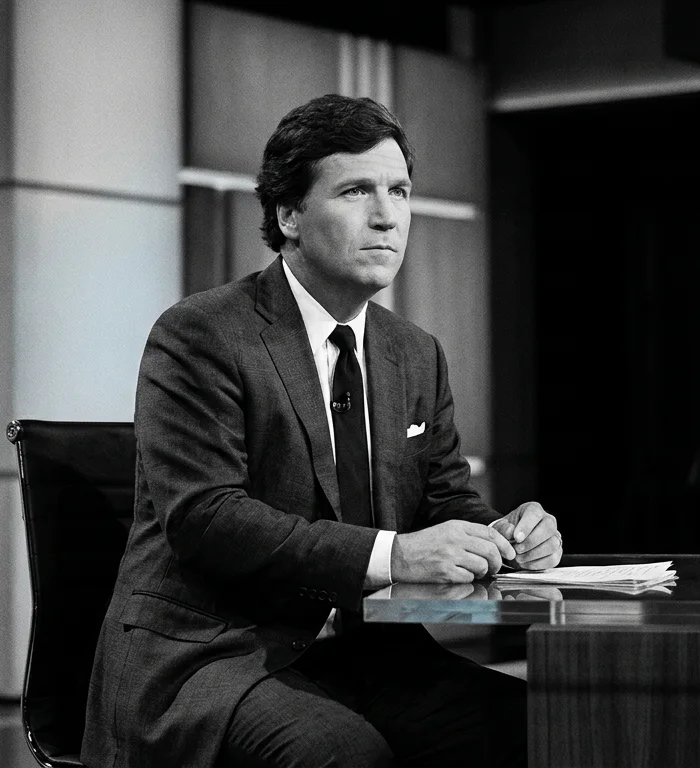
Tucker Carlson has said that worsening tensions involving Iran could pose a risk to former President Donald Trump and the political project associated with the “Make America Great Again” (MAGA) movement.
Speaking from his home in Florida , Carlson framed the Middle East situation as a potential threat to the priorities and cohesion of Trump’s core political base, rather than as a distant foreign-policy issue.
What was said, and what changed
Carlson’s comments amount to a warning that an Iran-related escalation could distract from, or undercut, the domestic agenda many MAGA supporters expect from Trump.
The remarks also point to a possible gap between Carlson’s current emphasis and Trump’s more recent positioning on foreign policy, based on the account provided in the source material.
Reported disagreement with Trump
The source material states that reports describe Trump as disagreeing with Carlson’s assessment. No direct quote from Trump is provided, and the specific channel or timing of that disagreement is not detailed.
If accurate, the disagreement would mark a notable moment between two figures often seen as aligned on major political debates, particularly within the broader MAGA ecosystem.
Why it matters now
The immediate significance is political: foreign-policy disputes can become stress tests for coalition discipline, especially when they touch questions of military involvement, national priorities, and risk tolerance.
In this case, the source frames the Iran issue as a “significant political risk” for Trump’s supporters, suggesting that internal debate could shape messaging and movement unity.
Market and global context
While the source does not cite market moves, Iran-related tensions are widely watched by investors because the Middle East is central to global energy flows and risk pricing. Any perceived increase in regional instability can influence expectations for oil supply conditions and broader risk sentiment.
Politically, the episode underscores how Middle East policy can reverberate beyond the region, affecting alliances, security postures, and domestic political narratives in the United States—factors that global partners and markets monitor closely.
Uncertainties and limits
Key details remain unclear in the provided material, including what specific developments Carlson is responding to, what policy steps are being debated, and how Trump’s disagreement was communicated.
Analysts cited in the source are described as questioning future MAGA cohesion, but no names, evidence, or metrics are included, limiting how precisely the potential impact can be assessed.
More stories
- Bardella denies antisemitism claims over teenage messages
- Washington targets China in new tariff push on trade ties
- Eisenkot secures first coalition deal but lacks majority
- Germans oppose Ukraine aid as poll shows support slipping
- Kim Jong-un receives 10 envoys after constitutional shift
- Ukraine claims Libya strike sinks Russian naval corvette
- Iran Threatens to Close Strait of Hormuz Amid US Tension
- Trump's 'Pearl Harbor' Joke to Japan Crosses Diplomatic Lines
Latest news
- Norse Atlantic suspends flights in urgent rescue funding bid
- Retailers rethink Black Friday as discount fatigue grows
- Japan data centers face lawsuits over residential sites
- S&P puts Nvidia credit rating on watch over board concerns
- Musk pledges two SpaceX shares per child in new US giveaway
- Morocco targets 2030 World Cup final with new stadium bid
- Barclays puts AI bust risk at center of US growth debate
- US inflation reaches 3.8% before December Fed rate meeting