Zelensky Seeks Calm as Defense Rift Follows Kyiv Barrage
Zelensky is seeking to calm Ukraine's defense leadership rift after Fedorov's dismissal exposed army tensions during a major Russian attack on Kyiv.
Lauren Collins ·
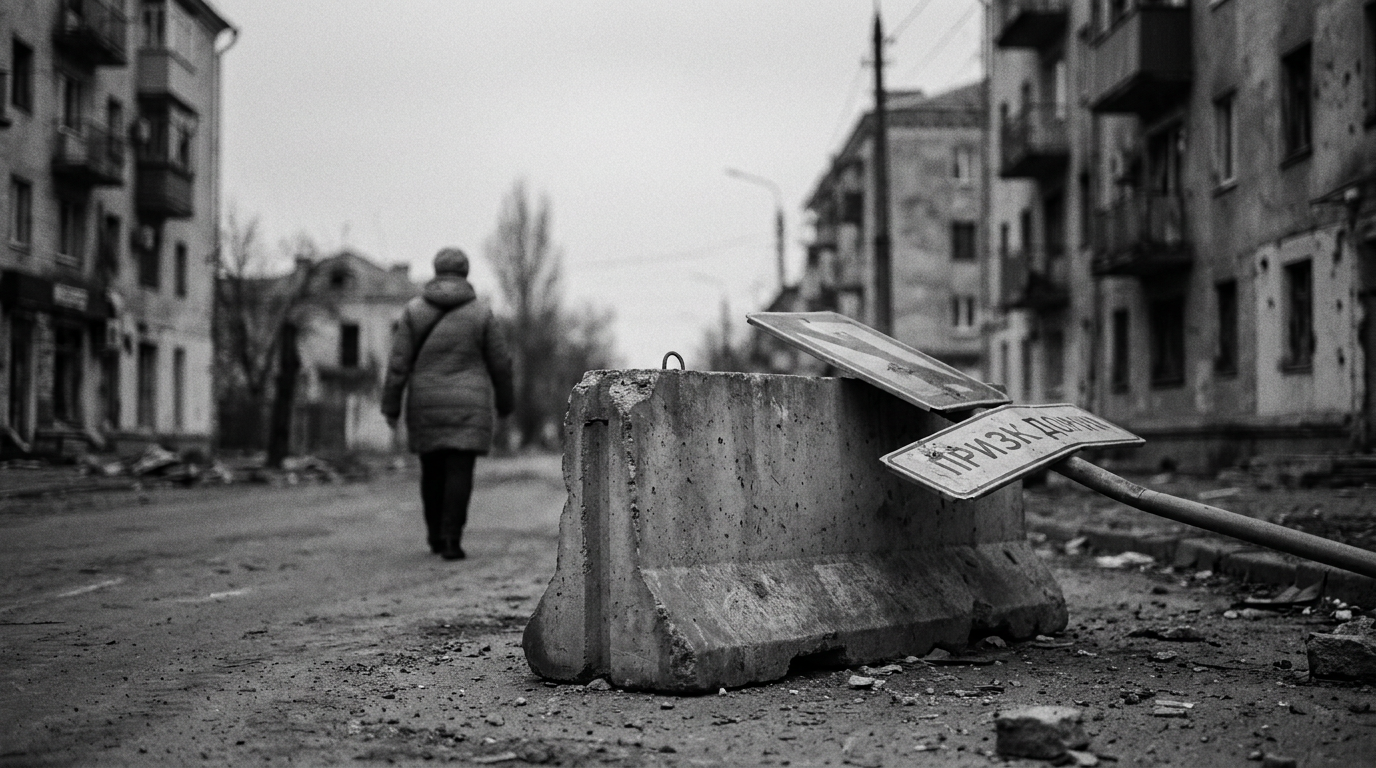
Zelensky is trying to contain a defense leadership backlash as Kyiv absorbs a major Russian ballistic-missile attack and army tensions surface.
The Ukrainian president met senior commanders for a second straight day on Sunday, seeking to steady the military hierarchy after removing Defense Minister Mykhailo Fedorov last week. The dismissal has become a political and battlefield test because Fedorov had built support around drones, digital procurement and anti-corruption tendering.
Fedorov exit shakes command
Zelensky's decision angered parts of the armed forces and wider society because Fedorov had clashed with Gen. Oleksandr Syrskiy over wartime strategy. A protest of thousands in Kyiv on Saturday called for the removal of Syrskiy, turning a personnel dispute into a public challenge to the chain of command.
Fedorov, 35, is associated with Ukraine's drone push, a capability his supporters credit with helping slow some Russian advances. He also introduced digital tenders intended to reduce corruption risks in military procurement, a sensitive issue for a country dependent on sustained public trust and foreign support.
Zelensky has argued that the defense ministry needs a leader able to work more smoothly with Syrskiy, 60. The general commanded forces in successful early battles during the 4½-year war, but critics now accuse him of overemphasizing tactical decisions, favoring loyal units and holding terrain at excessive human cost.
Kyiv attack adds pressure
The leadership dispute deepened as Russia launched a large ballistic-missile assault on Kyiv, according to the source account. The timing raises the cost of disunity for Zelensky, since public friction between a president, defense minister and top general can weaken confidence during an active strike campaign.
The president tried to signal that talks were under way without committing publicly to a settlement. Late Saturday, he said he had spoken with both Fedorov and Syrskiy, adding: "Decisions regarding the army will be worked out," without giving details.
Fedorov also suggested that communication had resumed. "Dialogue is happening. I believe we will succeed," he posted, while Syrskiy said he had visited the northeastern front and "listened to the requests of commanders and took the necessary decisions to strengthen our troops."
Drone policy faces uncertainty
The immediate question is whether Fedorov's departure changes the pace or direction of Ukraine's technology-driven defense effort. If the next defense minister preserves the drone program and digital tendering systems, the ministry could limit disruption while giving Syrskiy a more compatible partner at headquarters.
If the dispute hardens, the effects would spread beyond personalities. For Ukraine's war management, a split between procurement reformers and battlefield commanders could slow decisions; for the drone sector, uncertainty over budgets and priorities could complicate production planning; for the global macro picture, perceived instability in Kyiv's command structure could weigh on confidence among governments financing Ukraine's defense.
A third path depends on whether Zelensky can broker a workable division of authority. If Fedorov retains influence over technology while Syrskiy gains clearer operational coordination, the defense ministry could preserve innovation without deepening military rivalry; if casualty concerns and allegations of favoritism remain unresolved, public pressure may return and force another command decision.