

COP31 Teeters on Brink Amid Energy Turmoil and US Exit Fears
COP31 negotiations in Turkey address climate finance and fossil fuel policy amid U.S. absence and global energy market instability.
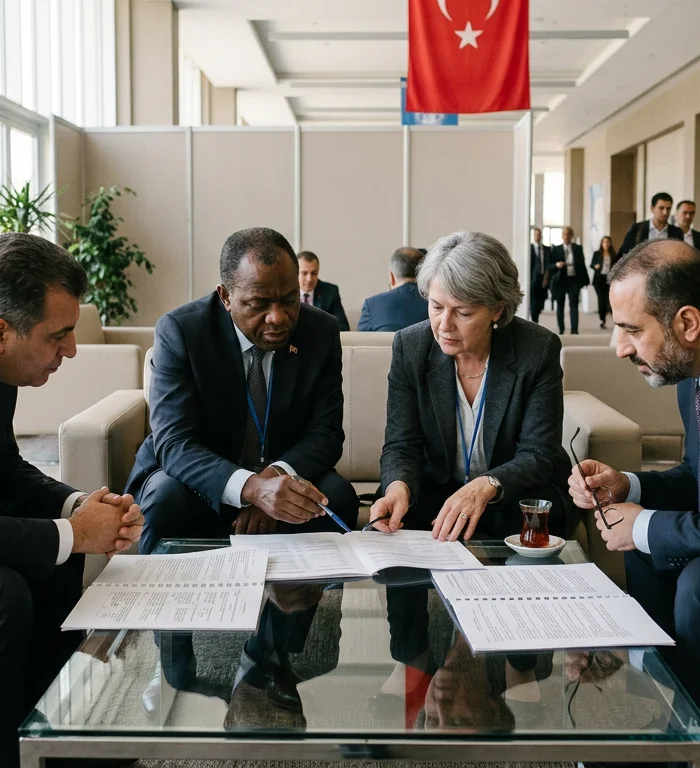
The COP31 climate summit, co-hosted by Turkey and Australia, convened on November 8 in Antalya, Turkey, to address international climate finance and fossil fuel transition strategies. The proceedings are scheduled to conclude on November 20. This year’s summit occurs against a backdrop of heightened geopolitical instability in the Middle East and significant fluctuations in global energy markets.
Institutional participation has shifted significantly, as the United States is absent from formal negotiations following its withdrawal from the Paris Agreement and ongoing efforts to exit the UN Framework Committee on Climate Change. This absence complicates the consensus-building process, particularly as the UN Environment Program reports that global warming is projected to exceed the 1.5 °C threshold within the next few years.
While previous agreements established a target of $300
While previous agreements established a target of $300
While previous agreements established a target of $300
While previous agreements established a target of $300
While previous agreements established a target of $300
While previous agreements established a target of $300
While previous agreements established a target of $300
While previous agreements established a target of $300
While previous agreements established a target of $300
While previous agreements established a target of $300
While previous agreements established a target of $300
While previous agreements established a target of $300
While previous agreements established a target of $300
While previous agreements established a target of $300
While previous agreements established a target of $300
While previous agreements established a target of $300
While previous agreements established a target of $300
While previous agreements established a target of $300
While previous agreements established a target of $300
While previous agreements established a target of $300
While previous agreements established a target of $300
While previous agreements established a target of $300
While previous agreements established a target of $300
While previous agreements established a target of $300
While previous agreements established a target of $300
While previous agreements established a target of $300
Financial mobilization remains a primary point of contention. While previous agreements established a target of $300 billion annually by 2035 for emissions reduction and adaptation, current funding levels remain insufficient to address catastrophic climate events. For instance, the UN loss and damages fund provided $20 million for recovery efforts following a Himalayan glacier collapse that caused approximately $5 billion in damages, highlighting a significant gap between pledged support and actual recovery requirements.
Negotiations regarding fossil fuels face scrutiny due to
Negotiations regarding fossil fuels face scrutiny due to
Negotiations regarding fossil fuels face scrutiny due to Negotiations regarding fossil fuels face scrutiny due to the economic profiles of the host nations. Australia remains a major exporter of coal and natural gas, while Turkey’s domestic energy grid relies heavily on fossil fuel combustion. Observers are monitoring whether the final agreement will explicitly address fossil fuel transition, a topic that was omitted from the previous year’s text.
Beyond formal negotiations, leadership is promoting voluntary initiatives, including a proposal to increase the share of electricity in global energy consumption from 23% to 35% by 2035. Additionally, a non-binding pledge regarding sustainable artificial intelligence is under consideration. These initiatives carry no enforcement mechanisms and are intended to signal political intent rather than establish new legal obligations.
More stories
- Germans oppose Ukraine aid as poll shows support slipping
- Kim Jong-un receives 10 envoys after constitutional shift
- Ukraine claims Libya strike sinks Russian naval corvette
- COP31 climate talks collapse over fossil fuels and funds
- Russian military faces 1,087 recorded suicides in Ukraine war
- US faces China, Russia in Africa minerals contest
- Iraq government sacks nine officials over oil-smuggling claims
- Canada and UK back $1.3tn climate finance goal at COP31
- Planned North Africa hydrogen plants may draw 170 litres per kilogram
- Ethiopia faces governance warning after 10.4-point rights drop
Latest news
- Trump prepares tariffs on China and other major exporters
- New-car buyers pay record average $50,087 in October
- Banks face ECB reserve debate over liquidity and profits
- Investors see Anthropic debut gains fade below $83 a share
- Iraq orders federal control over Kurdish-area oilfields
- Nvidia shares retreat as AI rally cools before PCE data
- Macy’s parade faces balloon limits as storm winds approach