

Planned North Africa hydrogen plants may draw 170 litres per kilogram
A research paper warns water and brine risks may complicate European plans to buy renewable hydrogen from Morocco, Algeria and Egypt.
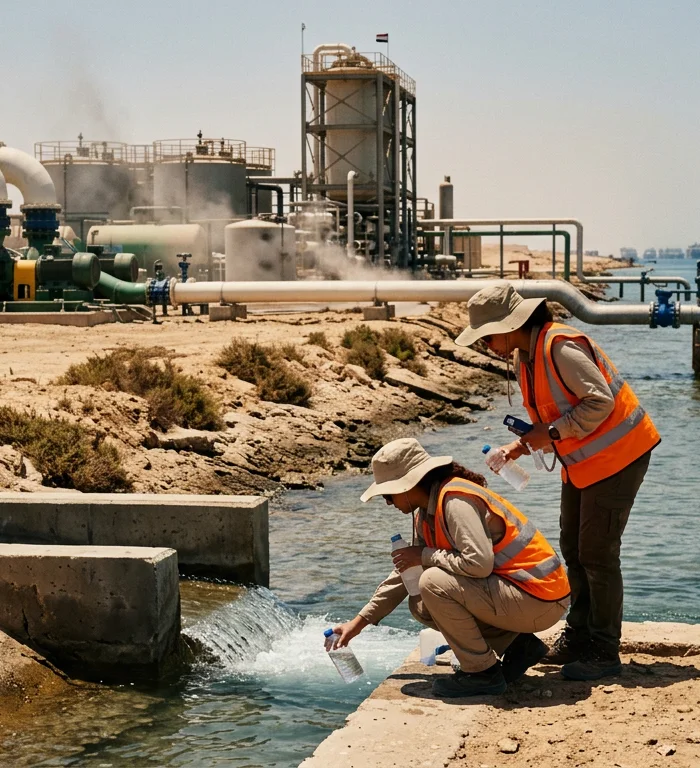
Planned North Africa green hydrogen plants may need 35 to 170 litres of water per kilogram produced, The Conversation – Africa said in a Nov. 3 article citing a recent research paper.
The warning matters because the European Union aims to import 10 million tonnes of renewable hydrogen a year by 2030, making North African supply central to Europe’s clean-energy plans.
Green hydrogen is made by using renewable electricity to split water into hydrogen and oxygen. The fuel is used in heavy industry and could serve ships, aircraft and long-distance trucks.
The paper’s authors reviewed engineering and environmental data from several regions and built a computer model for a 10-hectare, 1-gigawatt hydrogen plant in a hot, dry climate. The model included water for hydrogen production, purification and equipment cooling.
That broader calculation produced the 35-to-170-litre range. The Conversation article contrasted it with an industry figure of about 9 litres per kilogram, which the authors said covers only the water required for the chemical reaction.
The article said Morocco, Algeria and Egypt are positioning themselves as suppliers for European clean-energy markets. Egypt has signed $40 billion of agreements with international developers for hydrogen and ammonia hubs in the Suez Canal Economic Zone, while Morocco proposes allocating one million hectares for hydrogen developers.
Algeria plans to send hydrogen to Europe through the planned SoutH2 Corridor. Dozens of large projects remain at memorandum-of-understanding, early development or pilot stages, and only a few pilot facilities are already operating, according to the article.
The main environmental concern is water scarcity in arid export regions. The research assessed Australia, Chile and North Africa and said desalination could reduce pressure on freshwater while creating another problem: brine, the dense salty waste left after seawater is treated.
The article said brine can contain chemicals used in filtration and cleaning. If discharged into semi-enclosed coastal waters, it can settle on the seabed and damage marine life and fisheries, according to the research.
The authors also warned that using ancient groundwater reserves could deplete water sources that do not replenish on human timescales. They described the pattern as “green extractivism,” in which importing countries gain lower emissions while producing regions carry water and ecosystem costs.
The paper recommended that hydrogen certification rules assess local water stress and marine impacts, not only greenhouse-gas emissions. It proposed a Water Sustainability Index and a separate score for brine-related marine risk.
The Conversation article did not give a date for regulatory action. It said the current international approach to defining green hydrogen focuses mainly on emissions and may not capture whether projects strain watersheds or pollute marine habitats.
By 2030, the EU aims to import 10 million tonnes of renewable hydrogen a year, a target that would increase demand for export projects in North Africa.
Between 2027 and 2035, most large-scale commercial production and export infrastructure is scheduled to come online, according to The Conversation article.
As projects move beyond pilot facilities, certification rules will show whether water use and brine risks are included alongside greenhouse-gas accounting.
Source: Article, The Conversation – Africa, Nov. 3.
More stories
- Singapore to open 3 MRT stations for 25-minute trip savings
- De Wever offers resignation as Belgium budget talks stall
- Airlines face bomb threats as Europe orders plane checks
- Ukraine rescuers search shelter after 31 reported deaths
- Trump says Israel aid ends this year, arms sales continue
- Retail investors face timing risk after OCBC's nearly 6% fall
- Ethiopia faces governance warning after 10.4-point rights drop
- Lapid accuses Netanyahu of undermining Israel vote
- Washington and Moscow in Talks on Data Centers, Nuclear Energy, Putin’s Envoy Claims
- Starshield limits disrupt Ukraine drones, officials say