

West Bank incursion kills Two Palestinian teenagers
Two Palestinian teenagers died during an Israeli forces and settler incursion in al-Mughayyir, West Bank, sparking military review amid rising tensions.
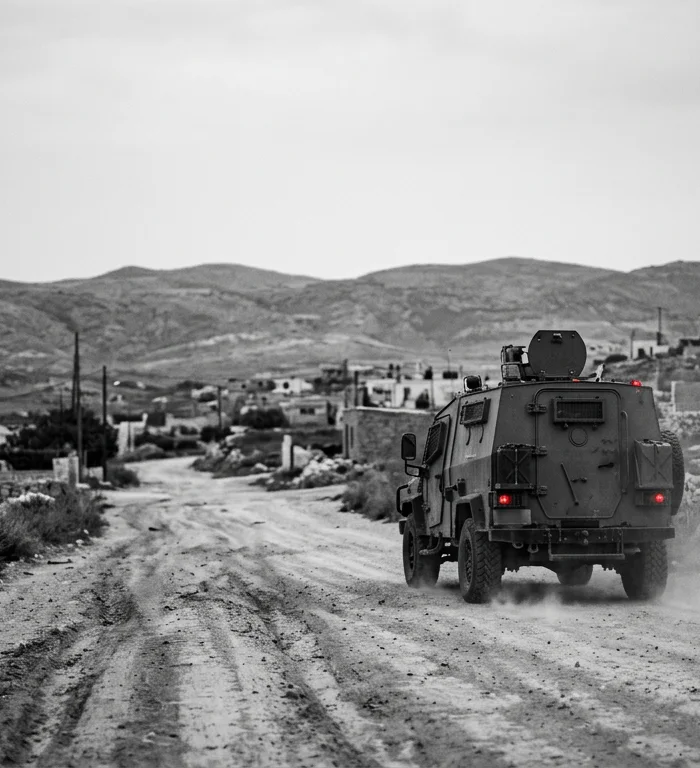
Two Palestinian teenagers, Omar al-Naasan and Khalil Abu Alia, were killed earlier this week during an incursion by Israeli forces and settlers into the West Bank village of al-Mughayyir. This event occurred amidst growing instability and frequent clashes between residents and armed groups operating in the area south of Nablus.
The Israeli military confirmed its personnel engaged individuals identified as instigators during what it described as a violent riot. Military officials also stated that an internal review is currently underway to ascertain the circumstances surrounding these fatalities.
Escalating Tensions in the West Bank
The incident is part of a broader pattern of escalating friction across the occupied Palestinian territory. Security operations and settler activities have notably intensified in recent months, contributing to a volatile environment. United Nations data indicates a significant increase in the number of fatalities.
According to United Nations figures, more than 80 Palestinians have been killed by Israeli forces or settlers since the beginning of the current calendar year. This ongoing cycle of incursions and the use of lethal force continues to fuel regional instability, with no immediate indications of a shift in the prevailing security trajectory.
Context of Regional Instability
The West Bank has been a central point of conflict for decades. The presence of Israeli settlements and numerous military checkpoints frequently leads to confrontations. The village of al-Mughayyir, similar to many other communities in the region, often experiences tensions stemming from land disputes and ongoing security operations.
The recent escalation underscores deeper unresolved issues and competing claims over territory and vital resources. International bodies and human rights organizations have consistently voiced deep concern regarding the increasing death toll and its severe impact on civilian populations. Despite repeated calls for de-escalation and adherence to international law, the cycle of violence persists, challenging all efforts toward achieving a lasting peace.
Outlook on Security and Stability
The current security situation suggests that further incidents are likely without a substantial change in approach from all parties involved. The Israeli military's internal review will be closely monitored, as its findings could potentially influence future operational guidelines and engagement protocols. Meanwhile, the heightened presence of both armed groups and settlers fosters an atmosphere of profound distrust and frequent confrontation.
Observers note that the absence of a clear political horizon for a comprehensive resolution to the Israeli-Palestinian conflict exacerbates local tensions significantly. This political vacuum often places security forces and civilian populations in direct confrontation, thereby perpetuating a cycle of violence that carries severe humanitarian consequences across the region.
More stories
- Eisenkot secures first coalition deal but lacks majority
- Germans oppose Ukraine aid as poll shows support slipping
- Kim Jong-un receives 10 envoys after constitutional shift
- Ukraine claims Libya strike sinks Russian naval corvette
- COP31 climate talks collapse over fossil fuels and funds
- Russian military faces 1,087 recorded suicides in Ukraine war
- U.S. payrolls rebound may face Haitian TPS drag in August
- Typhoon Saudel floods Fujian as China evacuations widen
- Kyiv missile attack tests Ukraine's air defense pledges
- Cash Demand in Russia Strains War-Era Economic Stability
Latest news
- Global stocks fall 0.4% as tariffs and US inflation loom
- CIA hack affects unclassified data; scope remains unclear
- Trump prepares tariffs on China and other major exporters
- New-car buyers pay record average $50,087 in October
- Banks face ECB reserve debate over liquidity and profits
- Investors see Anthropic debut gains fade below $83 a share
- Iraq orders federal control over Kurdish-area oilfields