

US Senate Rejects Resolution to Limit Presidential War Powers Regarding Iran
The US Senate defeated a resolution to limit presidential war powers against Iran, maintaining the executive branch’s current authority to conduct military…
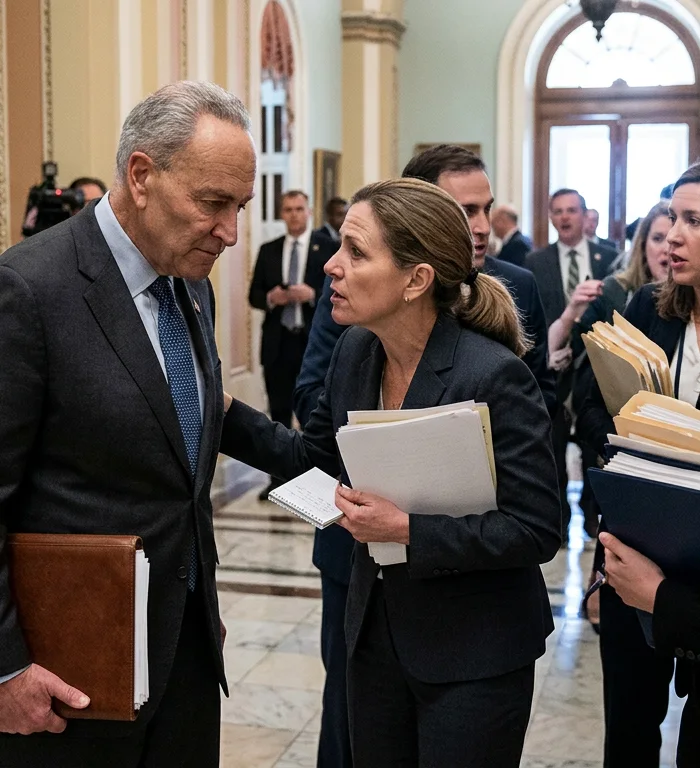
The United States Senate has defeated a war powers resolution intended to restrict the President’s authority to engage in military action against Iran. The measure, which required the executive branch to terminate hostilities or secure formal Congressional authorization, failed to pass with a vote of 51 to 48. The outcome largely followed party lines, effectively maintaining the current status quo regarding executive military discretion.
This legislative failure underscores the ongoing institutional tension between the executive and legislative branches concerning the interpretation of the War Powers Resolution of 1973. While the House of Representatives had previously passed similar measures on three separate occasions, the Senate’s rejection prevents the resolution from reaching the President’s desk. The inability of the Senate to override executive prerogative highlights the difficulty of imposing statutory constraints on military operations when the legislative body remains divided along partisan lines.
For policymakers and financial stakeholders, this vote signals that the current framework for military engagement in the Middle East remains unchanged. The rejection of the resolution reinforces the executive branch's capacity to initiate or continue military actions without immediate, explicit Congressional approval. This maintains existing geopolitical risk profiles, as the threshold for military escalation remains tied to executive decision-making rather than a mandatory legislative check.
Moving forward, the legislative focus on war powers is unlikely to yield significant structural changes in the near term. Observers should monitor whether future legislative attempts to reclaim oversight authority gain traction if executive actions lead to heightened regional instability. The current vote serves as a benchmark for the limits of Congressional influence over national security policy in the present political environment.
More stories
- FCC approves prison cellphone jamming despite 2.5-mile warning
- Congress tests Black Democrats' growing policy influence
- Cotton faults Lutnick over AI chips allegedly sent to China
- Vance declines to back Iran strikes as Trump defends war
- Paul seeks 20%-30% federal credit for U.S. film shoots
- Trump targets data centers abroad with tax threat to firms
- Cao faces Senate scrutiny over $32.5m-a-day Iran blockade estimate
- Nvidia forms security panel as chip controls tighten again
- Treasury sets Trump Accounts path for automatic sign-ups
- White House Unveils America.gov for 4 Key Services
Latest news
- Russia strikes Ukraine as Odesa faces electricity strain
- Bahrain reports two injuries after Iranian aerial attacks
- Baltic responders fight Sparta II fire after drone strike
- Dietitians advise small swaps for plant-based eating
- Europe faces attribution gap after 16 cyber, physical incidents
- Young adults overestimate life insurance costs by 10 times
- Estonia to close 5 Russia road crossings for six months