US Defense Chief Links Migration to Ideology, D-Day
U.S. Defense Secretary Pete Hegseth cautioned Europe about incoming "dangerous ideologies" via sea, drawing a parallel to D-Day in remarks in Normandy.
Sofia Reyes ·
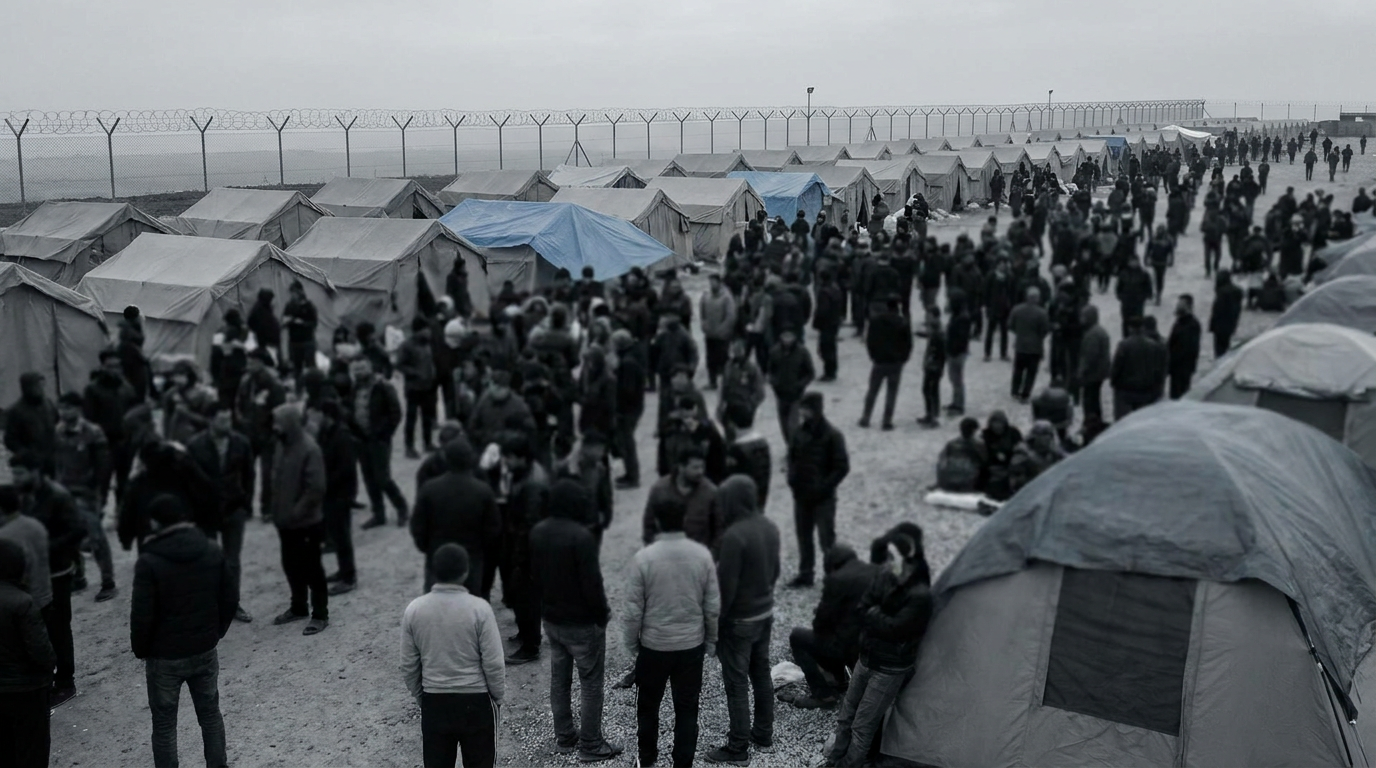
U.S. Defense Secretary Pete Hegseth issued a strong warning on Saturday regarding what he termed an "invasion of dangerous ideologies" reaching Europe by sea. Speaking during D-Day commemorations in Normandy, Hegseth connected contemporary immigration challenges with the historical significance of the Allied landings.
His comments align with recurring critiques from the Trump administration concerning Europe. Washington has frequently characterized the region as hindered by insufficient defenses, ineffective immigration policies, excessive bureaucracy, and the perceived suppression of nationalist and far-right political narratives.
Ideological Influx on European Shores
Hegseth delivered his remarks at the Normandy American Cemetery in Colleville-sur-Mer, marking the 82nd anniversary of the D-Day landings. He highlighted that various European coastlines, specifically mentioning Spain, Italy, Greece, and Bulgaria, are now experiencing an influx of "different, dangerous ideologies."
The Secretary emphasized arrivals by "boats and men," questioning whether European capitals would address this perceived invasion before it is too late. He expressed hope that a decisive response was still possible.
Historical Context and Contemporary Concerns
The D-Day anniversary commemorates the pivotal moment when Allied forces crossed the English Channel to commence the liberation of Western Europe from Nazi occupation. Hegseth's choice to voice these modern geopolitical concerns at such a historic site adds a layer of deliberate symbolism to his message.
U.S. officials, including former President Trump and Vice President JD Vance, have consistently criticized European nations. They argue that these countries have not adequately controlled immigration flows, framing it as a critical security and societal challenge.
Implications for Transatlantic Relations
Hegseth's statements underscore a persistent point of contention between the United States and its European allies. The U.S. administration’s rhetoric often suggests a need for Europe to adopt more stringent controls over its borders and internal policies regarding migration.
These remarks could further strain transatlantic relations, particularly concerning shared security responsibilities and approaches to global migration. The ongoing debate highlights differing perspectives on national sovereignty, humanitarian obligations, and the interpretation of cultural and ideological threats.