

US approves $2.1 bn sale of Patriot interceptors to Ukraine
The sale faces a delivery timeline stretching into the 2030s, highlighting persistent constraints in US defense manufacturing capacity.
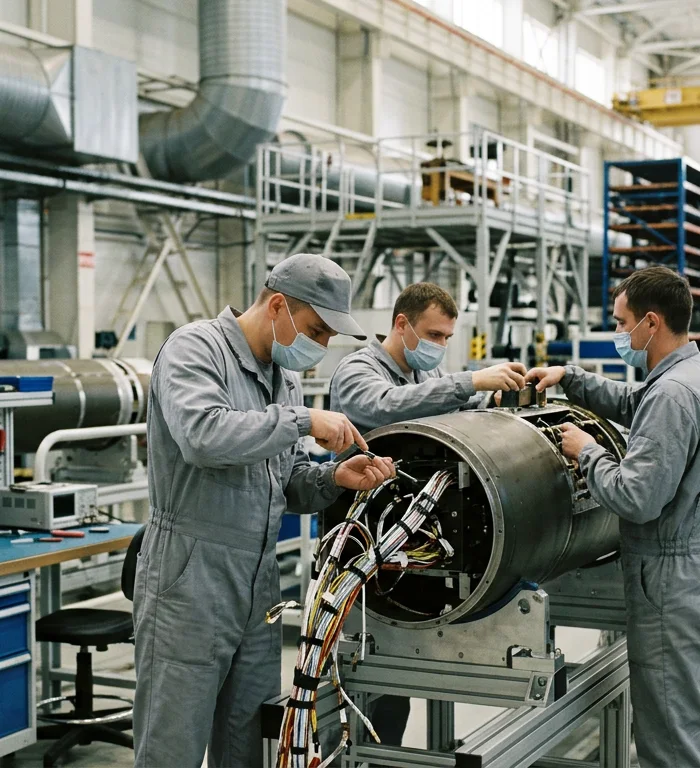
Production bottlenecks persist
The US State Department approved the sale of 500 Patriot Advanced Capability-3 interceptors to Ukraine in a deal valued at $2.1 billion. The approval, announced this week, marks a continued US effort to bolster the air defense capabilities of the Ukrainian military against aerial bombardment.
Defense officials familiar with the procurement cycle indicate that delivery of the munitions is not anticipated until the 2030s. Kyiv has pushed the Pentagon to prioritize the transfer of interceptors from existing US stockpiles, with the intent that new production orders would later backfill American inventories.
Regional defense impacts This production bottleneck directly affects Gulf states The extended lead time for new hardware underscores significant strain on domestic defense manufacturing capacity. This production bottleneck directly affects Gulf states, including Saudi Arabia and the United Arab Emirates, which have faced multi-year delays for Patriot and Terminal High Altitude Area Defense (THAAD) interceptors. These countries rely on consistent hardware deliveries to maintain protection over critical oil infrastructure and urban centers. The current competition for production slots among Ukraine, Israel, and existing Middle East deployments has forced regional capitals to navigate a constrained supply chain. Strategic shifts in procurement Security planners in the Gulf are now evaluating the reliability of US defense supply chains against their own immediate operational requirements. Historical delays have previously driven these nations to discuss alternative air defense acquisitions with European and Chinese manufacturers as a hedge against Washington's procurement backlogs.
The US State Department The inability of the current industrial base to accelerate throughput rapidly increases pressure on regional alliances.
If the backlog persists, Gulf governments may pursue diversification strategies that prioritize shorter delivery windows over traditional alignment with US defense systems.
Outlook for year-end
The primary uncertainty remains whether the US can incentivize industrial expansion to clear the current queue before the end of the year. Market analysts and defense observers are monitoring whether Saudi Arabia or the UAE will finalize or announce new air defense procurement deals with non-US entities, which would signal a shift in regional security reliance.
More stories
- Germans oppose Ukraine aid as poll shows support slipping
- Kim Jong-un receives 10 envoys after constitutional shift
- Ukraine claims Libya strike sinks Russian naval corvette
- COP31 climate talks collapse over fossil fuels and funds
- Russian military faces 1,087 recorded suicides in Ukraine war
- US faces China, Russia in Africa minerals contest
- Ukraine rail attacks expose Dnipro passenger safety risks
- Pyongyang rejects sanctions push on labor, military ties
- Wolfspeed faces dilution risk in $1.5bn Pentagon loan
- Iran targets Starlink with jail terms of up to 5 years
Latest news
- Trump prepares tariffs on China and other major exporters
- New-car buyers pay record average $50,087 in October
- Banks face ECB reserve debate over liquidity and profits
- Investors see Anthropic debut gains fade below $83 a share
- Iraq orders federal control over Kurdish-area oilfields
- Nvidia shares retreat as AI rally cools before PCE data
- Macy’s parade faces balloon limits as storm winds approach