US AI Drive Accelerates Amid China Race, Despite Model Concerns
The US is accelerating AI development to compete with China, while balancing strategic goals against rising concerns over ethics and safety.
Mei Lin ·
US Prioritizes AI Advancement Over Immediate Safety Concerns
Washington is accelerating its pursuit of artificial intelligence development, largely driven by strategic competition with Beijing, even as concerns mount over the reliability and ethical implications of current AI models.
China's National AI Ambition
China has established a comprehensive national strategy to become a global leader in AI by 2030, investing heavily in research, development, and application across various sectors. Key players like Baidu, Huawei, and SenseTime are at the forefront of this ambition, contributing to advancements in areas from facial recognition to autonomous systems. This state-backed drive has positioned China as a formidable competitor, particularly in foundational AI research and deployment, influencing the pace and direction of global AI innovation.
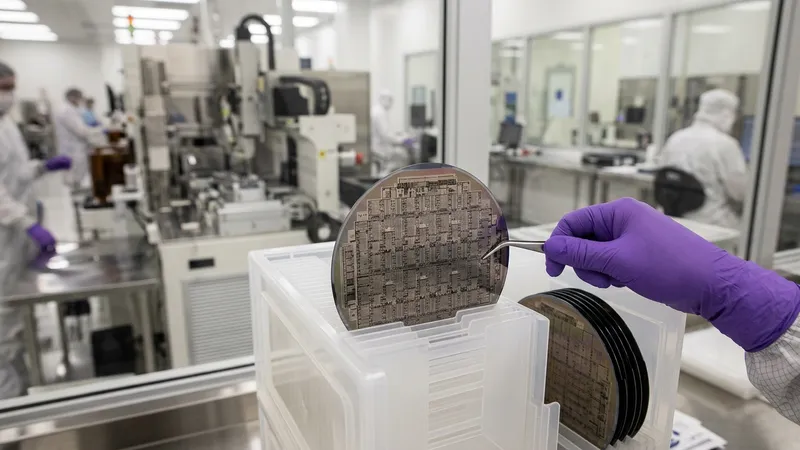
Simultaneously, the US has implemented stringent export controls, particularly on advanced semiconductors and AI-related technologies, aiming to impede China's progress in critical AI capabilities. These measures, designed to limit Beijing's access to cutting-edge hardware essential for training large language models and other sophisticated AI systems, highlight the depth of the technological rivalry. The restrictions also underscore the US strategy to maintain a lead in the AI domain, even as internal discussions about AI safety and governance gain prominence.
Geopolitical Spillover in the Indo-Pacific
The intensified US-China AI competition carries significant geopolitical implications, particularly for the Indo-Pacific region. As both powers race to dominate AI, the development and deployment of these technologies are increasingly intertwined with national security and defense strategies. This dynamic creates pressure on regional allies and partners to align with either US or Chinese technological ecosystems, affecting trade flows, supply chain resilience, and digital infrastructure development. Nations within the Association of Southeast Asian Nations (ASEAN), for example, face complex decisions regarding technology adoption and partnerships that could have long-term economic and security consequences.
The global macro picture is being reshaped by this rivalry, with the potential for fragmented technological standards and a bifurcated global AI market. This fragmentation could disrupt international supply chains, particularly for critical components like microchips, and complicate global efforts to establish common ethical guidelines for AI development. For specific technology companies, the bifurcation presents both opportunities in aligned markets and challenges in navigating export controls and differing regulatory environments, potentially impacting market access and profitability.
Future AI Statements and Controls
What to watch over the coming months are statements from Chinese government officials or tech leaders regarding their AI development pace or competitive positioning, new US export control measures, or significant AI research breakthroughs/announcements from either country. By September 30, 2024, if China accelerates its AI strategy or directly challenges US dominance, or if the US implements new restrictive policies on AI technology, it would indicate a heightening of the tech rivalry. Conversely, a significant move towards US-China collaboration on AI safety or a noticeable slowdown in the AI development race from either side due to regulatory or ethical concerns would signal a shift away from the current competitive trajectory.