Ukrainian drones hit Russian oil sites and tankers again
Ukrainian drones hit Russian oil depots and tankers, intensifying pressure on fuel supplies and routes linked to occupied Crimea.
Sofia Reyes ·
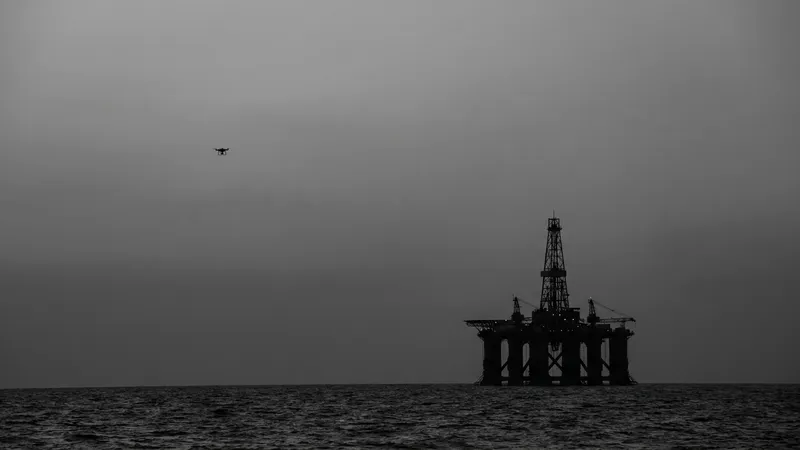
Ukrainian drones struck Russian oil sites and tankers, widening pressure on fuel supplies and routes tied to occupied Crimea.
The latest attacks on Thursday hit oil infrastructure in Russia’s Tver and Stavropol regions and set two tankers on fire in the Sea of Azov, according to Russian regional officials. The strikes came one day after U.S. President Donald Trump said Ukraine would receive a license to produce Patriot air defense systems, a pledge that points to a longer contest over both skies and logistics.
Tver depot fire spreads pressure
Vitaly Korolyov, acting governor of the western Tver region, said a Ukrainian drone attack caused a blaze at an oil depot in the city of Tver. The source did not provide details on casualties, damage levels or whether the facility was still operating after the fire.
In Stavropol, Gov. Vladimir Vladimirov said Ukrainian drones ignited oil reservoirs in Vyazniki. As the fire grew, authorities told residents of several nearby apartment buildings to leave the area, according to Vladimirov.
The two regional incidents show how Ukraine is extending pressure beyond front-line military targets into Russia’s fuel network. Oil depots and reservoirs matter because they sit between production, transport and retail supply, making them useful targets for a campaign aimed at disrupting movement rather than capturing territory.
Azov tankers link war and fuel
Rostov Gov. Yuri Slusar said Ukrainian drones also hit two oil tankers in the Sea of Azov, leaving both vessels on fire. He said crews were evacuated and one of the ships was still burning after the attack.
The Sea of Azov has become more important because it connects Russian-controlled routes to occupied Crimea. The strikes described by Russian officials fit Ukraine’s broader effort to make fuel delivery to Crimea more costly, less reliable and more exposed to repeated interruption.
The source said the tanker attack followed other recent strikes on vessels in the same area, but it did not give a full count, a damage estimate or shipping data. Without those details, the verified picture is narrower: Ukraine has struck multiple oil-related targets, Russian officials have reported fires, and crews and residents have been moved away from danger zones.
Fuel shortages sharpen domestic cost
The attacks come as Russia faces gasoline shortages and rationing in multiple regions, with motorists reportedly spending hours in queues for fuel. The source links the supply strain to Ukrainian strikes on refineries and energy infrastructure across Russia, though it does not provide official inventory figures or regional price data.
For Moscow, the operational problem is not only repairing tanks, pipes or storage sites. Each hit can force rerouting, extra security, temporary shutdowns or emergency distribution choices, all of which can tighten local supplies even when national production remains available.
For Ukraine, the logic is to stretch Russia’s air defenses and logistics at the same time. If drones can keep reaching depots, reservoirs and maritime fuel routes, Russia must decide which assets to shield first: military facilities, refineries, storage hubs, civilian supply chains or shipping corridors.
Patriot pledge adds air-defense layer
Trump’s pledge on Patriot production adds a separate but connected dimension. Patriots are defensive systems, but a licensing arrangement could improve Ukraine’s long-term air-defense base if it translates into actual manufacturing capacity, components and sustainment support.
The timing matters because Ukraine is trying to combine defense against Russian missile and drone attacks with offensive pressure on Russian energy logistics. A stronger air-defense pipeline would not directly cause oil depot fires, but it could help Ukraine protect cities, industry and military infrastructure while continuing long-range operations.
If Ukraine can maintain the strike tempo, the macro effect would be a larger risk premium around Russian fuel distribution and Black Sea-area logistics, with pressure concentrated near routes serving occupied Crimea. Russia would face higher security and repair costs, while the wider energy sector would have to manage greater uncertainty around storage, shipping and insurance exposure.
If Russia adapts by hardening depots, dispersing fuel stocks or improving drone interception, the immediate disruption may ease. In that scenario, Ukraine would need either more precise targeting or a larger drone volume to create the same effect, while regional fuel markets would watch whether rationing recedes or spreads.
The open questions are concrete: how badly the Tver and Stavropol sites were damaged, whether the Azov tankers can return to service, and how quickly Russia can move replacement fuel toward Crimea. The answers will determine whether Thursday’s fires become another temporary shock or part of a deeper strain on Russia’s wartime supply system.