U.S. strikes on Iran widen as Hormuz ceasefire frays fast
U.S. strikes on Iran expanded around the Strait of Hormuz after ship attacks, deepening risks to energy shipping and a ceasefire.
Lauren Collins ·
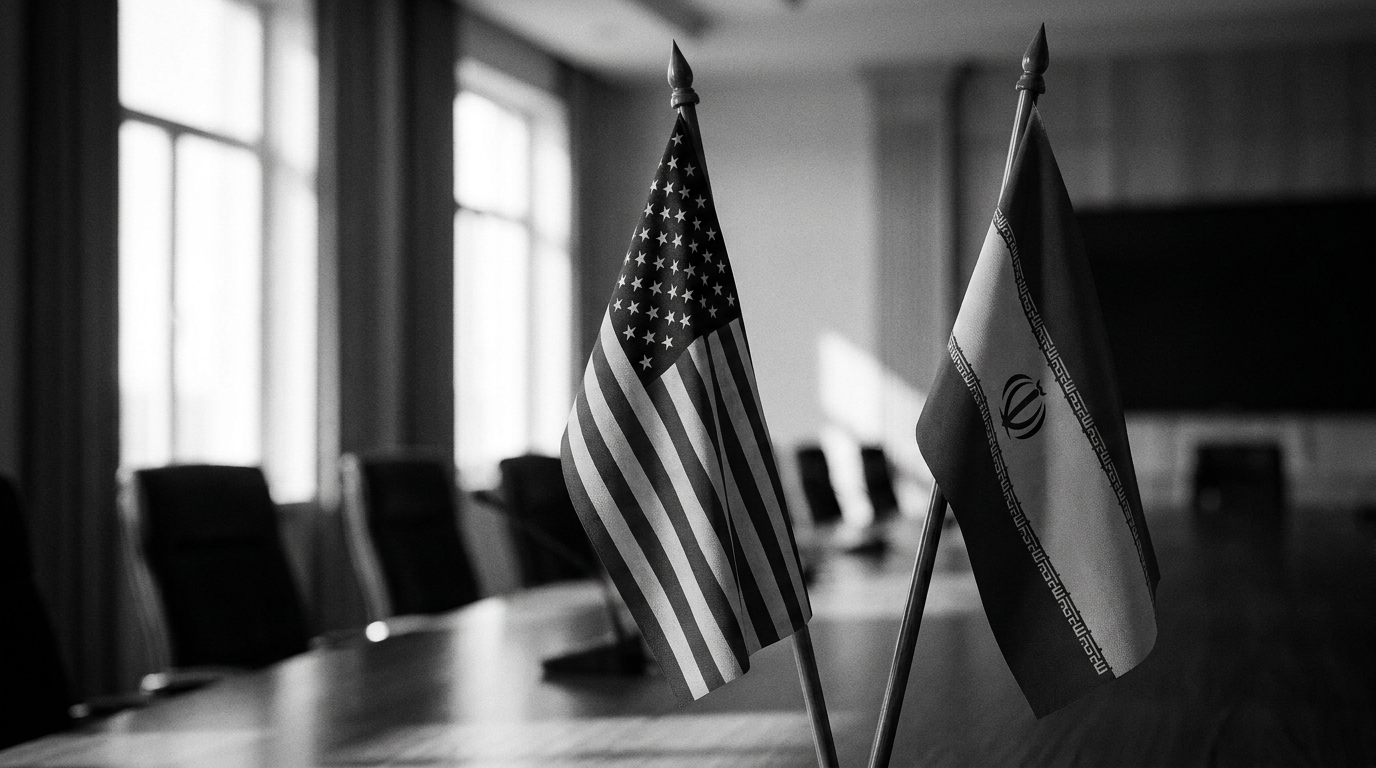
U.S. strikes on Iran expanded Wednesday night after Washington accused Tehran of attacking commercial ships near the Strait of Hormuz.
U.S. Central Command said the operation was meant to reduce Iran’s capacity to endanger navigation through one of the world’s most sensitive maritime corridors. The strikes came only hours after President Trump said an eight-week ceasefire had ended, turning a fragile pause into a renewed military confrontation.
Bandar Abbas hit again
Explosions were reported in Bandar Abbas and Sirik, Iranian media said. Those locations were also hit in the previous night’s U.S. operation, making the latest action the second round in 24 hours.
A senior U.S. official said Wednesday’s attacks covered a wider target list than Tuesday’s operation. The official said U.S. forces struck some previously targeted sites and also hit missile and drone storage areas around the Arabian Gulf.
Central Command framed the strikes as a response to Iranian actions against commercial shipping and civilian crews. The command said the U.S. was holding Tehran responsible for recent attacks on vessels moving through the waterway.
Ceasefire economics unravel
The military escalation followed a political and economic break in Washington’s approach to Tehran. Trump revoked a license that had allowed Iran to sell oil on the open market, removing the clearest economic benefit Iran had received under the interim arrangement.
The ceasefire had lasted eight weeks, according to the source account. Its erosion now links military pressure in the Gulf with sanctions pressure on Iranian oil, a combination designed to restrict both Tehran’s operational capacity and its access to hard-currency revenue.
Trump, speaking in Ankara during a NATO summit, said earlier Wednesday that he believed the ceasefire deal was finished. He also warned that the U.S. was likely to strike again, using unusually hostile language about Iran’s leadership and raising the possibility of a naval blockade.
The president also referred to potential future attacks on civilian infrastructure, according to the source account. That raises a separate risk for Washington: any expansion beyond military targets could sharpen legal, humanitarian and diplomatic pressures, especially if Gulf states face further retaliation.
Shipping route under pressure
The immediate trigger was a reported Iranian missile and drone attack earlier in the week on three ships passing through the Strait of Hormuz. One of the vessels was a liquefied natural-gas tanker, a detail that ties the confrontation directly to energy trade and maritime insurance risk.
On Tuesday, the U.S. military said it struck more than 80 targets in and around the strait. Iran then carried out attacks on Bahrain and Kuwait, both of which host U.S. military bases, widening the confrontation beyond Iranian territory and nearby waters.
The Strait of Hormuz is described by U.S. officials as a vital international waterway because it connects Gulf energy exporters with global buyers. Even without verified public figures in the source account on cargo volumes or oil flows, the targeting of an LNG tanker shows why shipping companies, insurers and energy traders will treat further attacks as a market risk.
Three paths for escalation
If U.S. strikes remain limited to missile, drone and storage sites, the global macro effect would likely run through risk premiums rather than immediate supply loss. For Washington, that path preserves a military message while avoiding the wider costs of a blockade; for the shipping and energy sectors, insurance costs and security planning would still rise.
If Iran continues attacks on commercial vessels or U.S.-linked bases, the mechanism changes. Energy markets would face higher disruption risk, the Trump administration would face pressure to widen operations, and Gulf shipping firms could slow movements, reroute cargoes or demand stronger naval escorts.
If both sides return to talks, the revoked oil license becomes a central bargaining tool. Global markets would look for proof that ships can transit safely, Washington would test whether military pressure produced concessions, and the wider energy sector would focus on whether Iran regains any legal path to sell oil.
The open questions are concrete: whether U.S. strikes materially damaged Iran’s launch capacity, whether Tehran chooses shipping targets again, and whether Gulf host countries become direct targets more often. Those answers will determine whether the week’s fighting stays contained or becomes a broader regional security crisis.