

Ukraine winter aid faces care gap in 1,200-person survey
UN Women Ukraine says energy outages are hitting caregivers, households with children, older people and people with disabilities as another winter approaches.
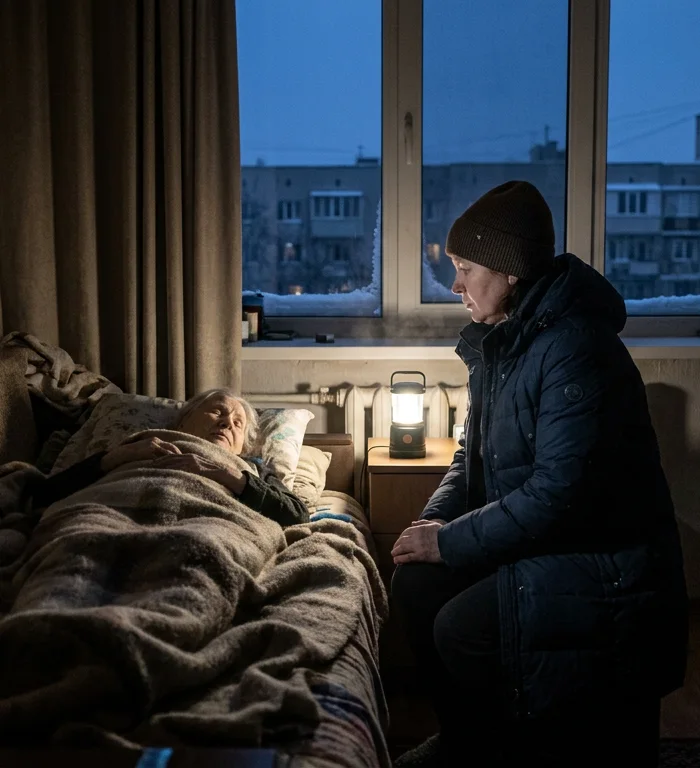
UN Women Ukraine released an assessment based on a 1,200-person national survey ahead of the 2026–2027 winter, warning that energy disruptions are increasing care strains during Russia’s grid attacks.
The assessment adds an 800-person Kyiv survey to the national sample, giving U.S. and allied aid officials household-level evidence as Ukraine prepares for its fifth winter since Russia’s full-scale invasion.
UN Women Ukraine
For Washington, the report sharpens a civilian-aid problem that is harder to measure than air-defense stocks or power equipment deliveries. It links energy outages to the functioning of homes, caregivers and municipal services, areas that affect Ukraine’s rear-area resilience but often sit outside the weapons debate.
The assessment said women face particular pressure because of increased responsibilities for caring for family members. It also identified specific challenges for households with children, older people and persons with disabilities, as well as the people who care for them.
The evidence base includes 10 key informant interviews and eight focus group discussions with women and men in Kyiv, Ivano-Frankivsk, Odesa and Kharkiv. Those cities give the report a spread across the capital, western Ukraine, the Black Sea region and a northeastern city repeatedly exposed to Russian attacks.
UN Women commissioned the assessment as part of UN Women commissioned the assessment as part of its TransformCare Global Initiative. Voluntas conducted the work, with funding from UK International Development from the UK government.
The policy audience is broader than Kyiv. The recommendations are addressed to the Government of Ukraine at all levels, the United Nations Humanitarian Team, funding partners and humanitarian organizations.
The Washington test is whether future civilian energy support treats care infrastructure as part of Ukraine’s wartime resilience, not only as a social-service category. If donors prioritize decentralized power for community facilities and care-heavy households, the mechanism would be fewer disruptions to local services and less unpaid labor shifted onto families.
If aid remains concentrated on centralized utility repair, the household burden described in the assessment would depend more heavily on national grid restoration and local coping capacity. The next observable marker is whether U.S. and allied winterization packages before June 15, 2026, explicitly fund municipal micro-generation and essential care infrastructure.
More stories
- Eisenkot secures first coalition deal but lacks majority
- Germans oppose Ukraine aid as poll shows support slipping
- Kim Jong-un receives 10 envoys after constitutional shift
- Ukraine claims Libya strike sinks Russian naval corvette
- COP31 climate talks collapse over fossil fuels and funds
- Russian military faces 1,087 recorded suicides in Ukraine war
- Xizang earthquake blocks highway as crews build shelters
- Typhoon Champi weakens but keeps Taiwan largely shut down
- Albania lawmakers clash over policing of student protests
- Policy Alert seeks Nigeria hearing over $50bn offshore plan
Latest news
- Trump prepares tariffs on China and other major exporters
- New-car buyers pay record average $50,087 in October
- Banks face ECB reserve debate over liquidity and profits
- Investors see Anthropic debut gains fade below $83 a share
- Iraq orders federal control over Kurdish-area oilfields
- Nvidia shares retreat as AI rally cools before PCE data