

US-Mediated Talks in Abu Dhabi to Address Post-War Security Architecture for Ukraine
US-led negotiations in Abu Dhabi are focusing on post-war security guarantees for Ukraine, while ongoing infrastructure risks and regional energy shifts…
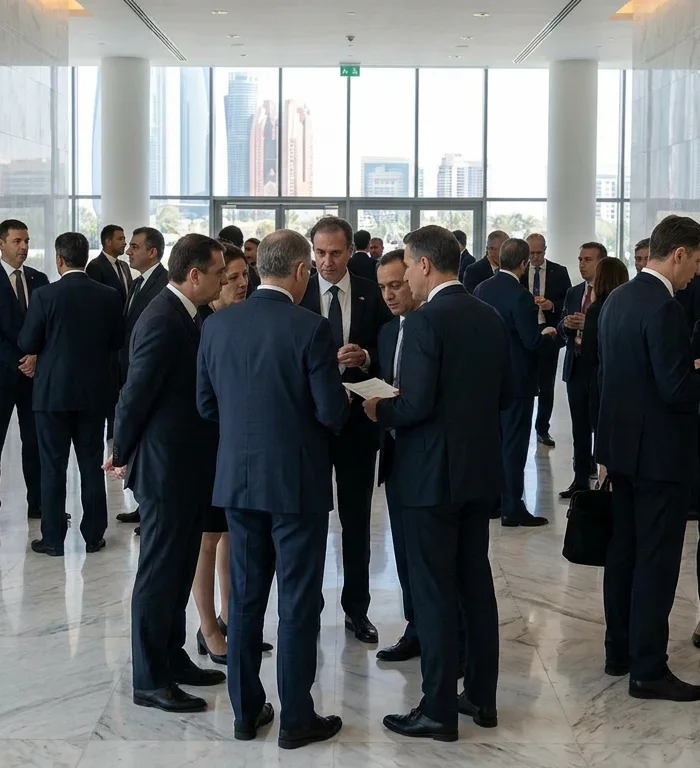
The United States is facilitating high-level negotiations in Abu Dhabi this week aimed at establishing a post-conflict security framework for Ukraine and the broader European continent. US representatives, including special envoys, are scheduled to lead these discussions, with participation confirmed from European partners, including France. The primary objective is to define the security guarantees necessary to stabilize the region following the cessation of hostilities.
Recent statements from US leadership indicate that progress has been made regarding the potential architecture of this security infrastructure. These discussions coincide with signals from the US administration that a settlement may involve territorial adjustments for Ukraine. The outcome of these talks is expected to influence the long-term geopolitical alignment of Eastern Europe and the nature of future security commitments provided by Western powers.
The United States
Operational risks remain high as the conflict continues to impact critical infrastructure. The Zaporizhzhia nuclear power plant recently experienced its 27th loss of external power since the start of the conflict, necessitating the use of backup generators to maintain reactor cooling. While external power has since been restored, the frequency of these incidents underscores the ongoing vulnerability of nuclear facilities within the combat zone.
Military activity persists, with Russian forces reporting strikes on cargo vessels in the Black Sea, alleging the transport of military equipment to Ukrainian ports. Simultaneously, Ukraine continues to face infrastructure attacks, including strikes on emergency response sites. In a related development, Moldova has officially integrated its power grid with Romania, effectively ending its reliance on Russian energy imports. This move represents a significant shift in regional energy security, reducing the leverage previously held by Moscow over the Moldovan energy sector. Policymakers should monitor the Abu Dhabi talks for specific details on the proposed security guarantees, as these will likely dictate the framework for any eventual ceasefire or peace agreement.
More stories
- Germans oppose Ukraine aid as poll shows support slipping
- Kim Jong-un receives 10 envoys after constitutional shift
- Ukraine claims Libya strike sinks Russian naval corvette
- COP31 climate talks collapse over fossil fuels and funds
- Russian military faces 1,087 recorded suicides in Ukraine war
- US faces China, Russia in Africa minerals contest
- Saudi officials report Aramco tower damage after attack
- Saudi officials report Aramco tower damage after attack
- Brent heads for fourth monthly gain as Middle East risk persists
- European coffin makers seek EU case with ranks down to 90
Latest news
- Trump prepares tariffs on China and other major exporters
- New-car buyers pay record average $50,087 in October
- Banks face ECB reserve debate over liquidity and profits
- Investors see Anthropic debut gains fade below $83 a share
- Iraq orders federal control over Kurdish-area oilfields
- Nvidia shares retreat as AI rally cools before PCE data
- Macy’s parade faces balloon limits as storm winds approach