

Ukraine Deploys Experimental Laser Air Defense System in Kyiv
Ukraine has deployed an experimental private laser system to defend Kyiv against drones, though its operational effectiveness remains unproven due to…
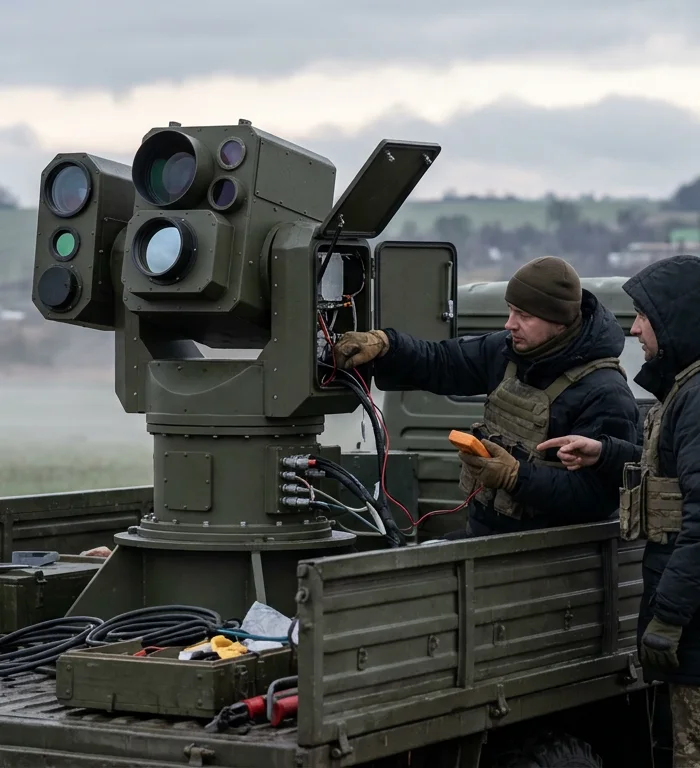
Ukraine has integrated an experimental laser air defense system, designated "Blysk," into the defensive perimeter of Kyiv. Developed by a private firm, the system is designed to neutralize unmanned aerial vehicles (UAVs) by burning through their structural hulls. This deployment occurs under the auspices of a state-sanctioned program that authorizes private entities to operate air defense units under the tactical control of Air Force.
The Blysk system features a four-kilowatt power output and an effective operational range of approximately one kilometer. This technology is intended to provide a cost-efficient alternative to conventional interceptor missiles, which are significantly more expensive to procure and maintain. The system relies on electrical power, potentially reducing the logistical burden associated with traditional kinetic air defense munitions.
Operational effectiveness remains unverified, as the system has not yet engaged a target since its early November deployment. Technical limitations have been identified, specifically regarding the system's performance in adverse weather conditions. Persistent cloud cover and fog have reportedly dispersed the laser beam, preventing target acquisition and engagement during initial testing phases.
This initiative is part of a broader national strategy involving approximately 100 private companies tasked with augmenting state air defense capabilities. As of mid-October, these private units have reported the destruction of over 60 aerial targets, primarily drones. The integration of private sector technology into defense architecture represents a shift toward decentralized, rapid-development procurement models.
Future performance metrics for the Blysk system will depend on its ability to maintain precision tracking against agile targets in varied meteorological conditions. The deployment serves as a localized test case for the viability of low-power laser systems in active combat zones. Observers are monitoring whether this model of state-private cooperation can scale effectively to address the ongoing threat of drone-based strikes on critical infrastructure.
More stories
- Germans oppose Ukraine aid as poll shows support slipping
- Kim Jong-un receives 10 envoys after constitutional shift
- Ukraine claims Libya strike sinks Russian naval corvette
- COP31 climate talks collapse over fossil fuels and funds
- Russian military faces 1,087 recorded suicides in Ukraine war
- US faces China, Russia in Africa minerals contest
- Indonesia seeks Google explanation for 19,372 YouTube removals
- San Antonio faces scrutiny over 50,000-hog farm approvals
- Refinery attacks put Russia's diesel export plans in focus
- Spain faces high-speed rail trust crisis after 69-death crash
Latest news
- Trump prepares tariffs on China and other major exporters
- New-car buyers pay record average $50,087 in October
- Banks face ECB reserve debate over liquidity and profits
- Investors see Anthropic debut gains fade below $83 a share
- Iraq orders federal control over Kurdish-area oilfields
- Nvidia shares retreat as AI rally cools before PCE data
- Macy’s parade faces balloon limits as storm winds approach