

UAE expands visa-on-arrival access for Western-resident nationals
The government updated its 2026 entry framework, easing border policies for specific passport holders to bolster service-sector growth.
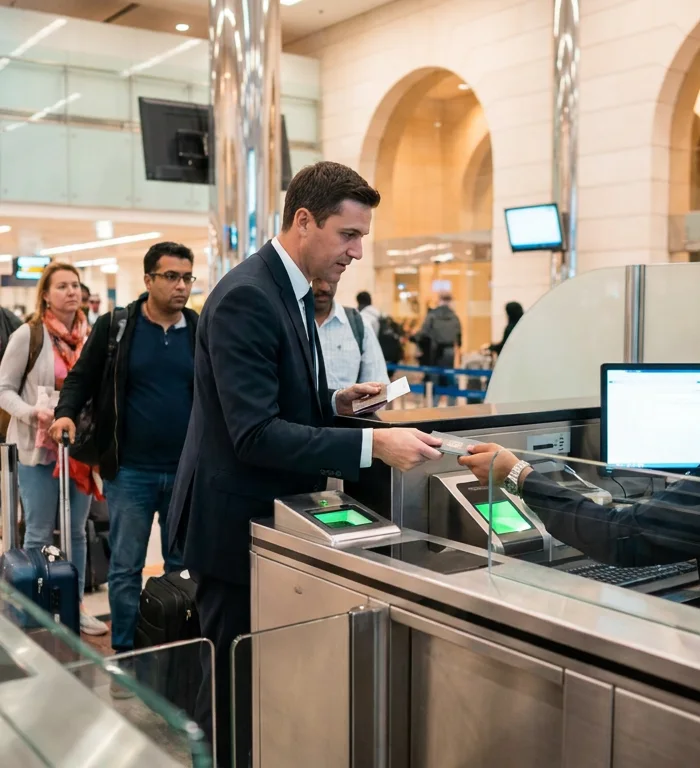
Strategic shift for economic integration
The UAE has implemented a revised border policy for 2026, extending visa-on-arrival eligibility to residents of select Western nations. This move allows holders of valid residency documents from those countries to bypass traditional long-term visa requirements, signaling a shift toward a model that prioritizes professional and financial integration over strict nationality quotas.
The policy reflects the government's objective to solidify the country's position as a global service and talent hub. By decoupling visa status from primary citizenship in favor of Western residency credentials, the state aims to attract high-net-worth professionals and specialized labor more effectively.
Building on long-term residency reforms
This initiative continues the trajectory established by the This initiative continues the trajectory established by the introduction of the Golden Visa, which previously targeted long-term human capital through extended residency rights. These reforms are central to the state's broader economic diversification strategy, which seeks to reduce reliance on hydrocarbon revenues by expanding the service, tourism, and real estate sectors. The competitive environment of the Gulf Cooperation Council (GCC) has also played a role in the timing of these updates. With Saudi Arabia’s Vision 2030 increasing domestic demand for skilled international talent, the UAE is adjusting its entry frameworks to maintain its appeal as the primary regional destination for foreign direct investment and high-skill expatriates. Regional impact and market demand The transition is expected to have a tangible impact on the domestic service economy and capital inflows. Increased ease of access is projected to drive demand for premium real estate and lifestyle services, essential components of the country's efforts to become a preferred regional headquarters for global corporations.
Broader industry implications center on the sustainability of Broader industry implications center on the sustainability of this model. The core challenge for policymakers will be balancing an increase in transient and permanent residents with the capacity of existing social and housing infrastructure.
Monitoring economic indicators
The primary metric for evaluating this policy shift will be the quarterly inflow statistics provided by the Federal Competitiveness and Statistics Centre, particularly regarding non-Gulf foreign direct investment and new residency registrations. Success will be determined by whether the policy facilitates a sustained uptick in high-skill labor participation, though a reversal remains possible if residential demand exceeds supply capacity through the end of 2026.
More stories
- Germans oppose Ukraine aid as poll shows support slipping
- Kim Jong-un receives 10 envoys after constitutional shift
- Ukraine claims Libya strike sinks Russian naval corvette
- COP31 climate talks collapse over fossil fuels and funds
- Russian military faces 1,087 recorded suicides in Ukraine war
- US faces China, Russia in Africa minerals contest
- Singapore prepares grid for up to 6.5% annual demand growth
- ECB faces 6.1% Lithuania inflation with 2.50% rate
- North Korea challenges Taiwan arms sales as jets arrive
- IMF chief urges fiscal tightening as global debt climbs
Latest news
- Trump prepares tariffs on China and other major exporters
- New-car buyers pay record average $50,087 in October
- Banks face ECB reserve debate over liquidity and profits
- Investors see Anthropic debut gains fade below $83 a share
- Iraq orders federal control over Kurdish-area oilfields
- Nvidia shares retreat as AI rally cools before PCE data
- Macy’s parade faces balloon limits as storm winds approach