Trump's Rural Approval Sinks Amid Economic Concerns
Donald Trump's rural approval rating has dropped significantly, reaching its lowest point since February 2025, according to a recent Reuters/Ipsos poll.
Jason Kwon ·
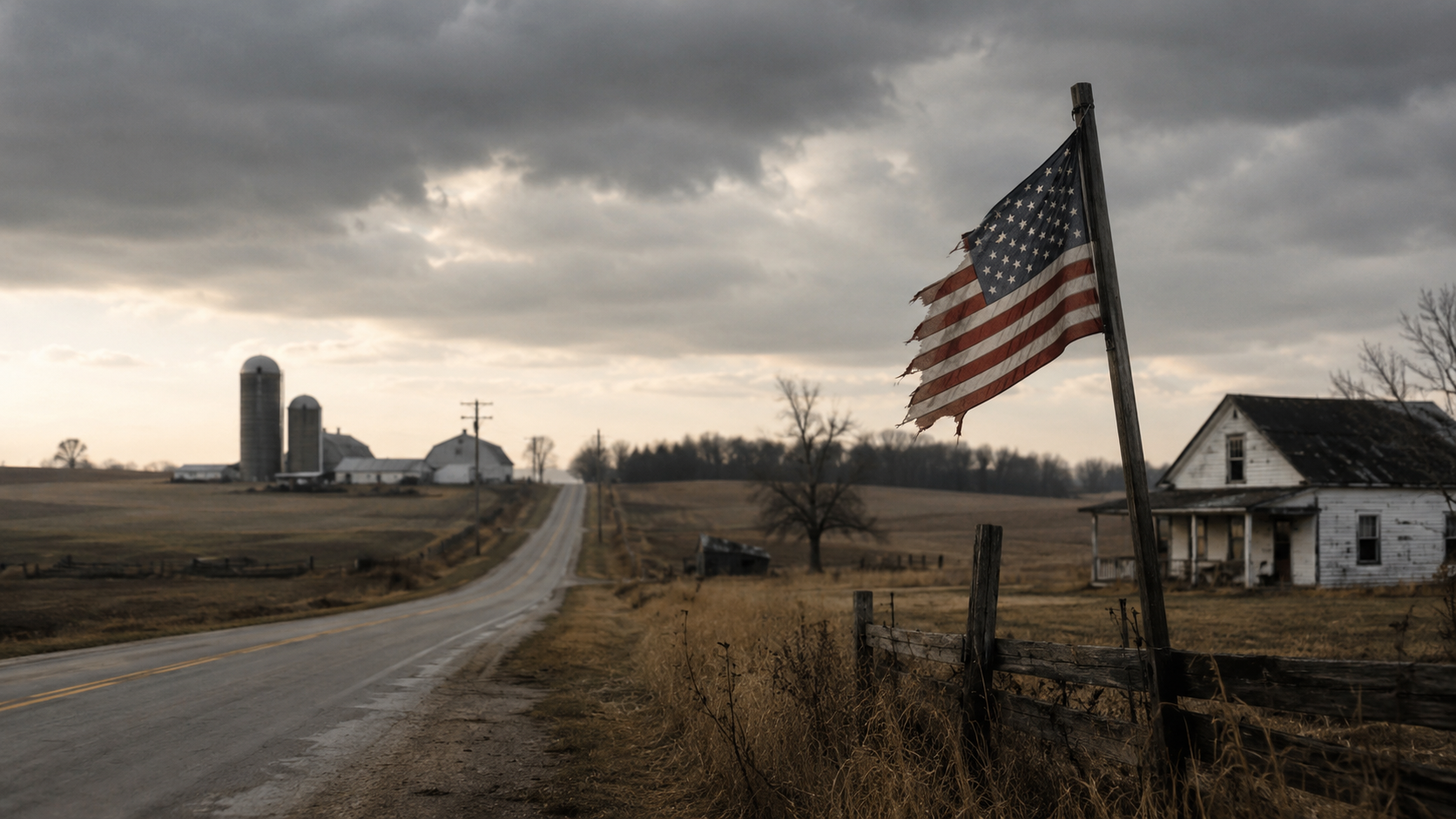
President Donald Trump's approval among rural Americans has fallen to 50% in June, marking a notable decline from the 60% recorded shortly after he assumed office in February 2025. This downturn is particularly significant for a demographic that has historically provided substantial support for Trump, raising questions about its potential impact on upcoming elections.
Conversely, disapproval of Trump's performance in rural areas surged to 48%, up from 34% in February 2025. This shift reflects growing dissatisfaction within a critical voting bloc, according to the Reuters/Ipsos poll conducted from June 3-8.
Economic Factors Drive Discontent
The latest Reuters/Ipsos survey, which sampled 4,531 U.S. adults nationwide, indicates that economic concerns are a primary driver of this rural discontent. Trump's overall approval rating sits at a low 35%, a figure among the lowest of his political career.
Rising gas prices, exacerbated by the ongoing Iran war, and persistently high food costs are contributing to widespread economic anxiety. These factors appear to be eroding the strong support Trump previously enjoyed among rural voters.
For instance, Bryan Shaver, a 62-year-old insurance agent from Hattiesburg, Mississippi, expressed frustration over escalating food prices despite having voted for Trump in the 2024 election. Shaver, a lifelong Republican supporter, voiced concerns that these economic pressures could jeopardize the party's performance in the upcoming midterm elections.
Implications for Republican Midterm Prospects
The shift in rural sentiment presents a challenge for the Republican Party, especially considering the narrow majorities they currently hold in the U.S. Congress. Historically, rural voters have been a cornerstone of Trump's electoral success, with Pew Research Center analysis of exit polls showing he secured a 40-point lead among this group in 2024, an increase from 31 points in 2020 and 25 points in 2016.
The data from the online poll, which carries a margin of error of 3 percentage points for rural respondents and 2 points for the overall American adult population, suggests a vulnerability that could impact the November midterms. A sustained decline in rural approval could force Republican strategists to recalibrate their outreach efforts and policy priorities.
As economic pressures persist, how the Republican Party and Trump address these concerns will be crucial. The erosion of trust among a previously steadfast demographic highlights the real-world impact of economic policies and geopolitical events on voter sentiment, potentially shaping the political landscape for the foreseeable future.