

Trump-Xi-Putin summit talk revives 1945 Yalta fears
The concern in Washington is whether direct great-power talks could outrun Congress, NATO allies and Indo-Pacific partners exposed to Ukraine and Taiwan…
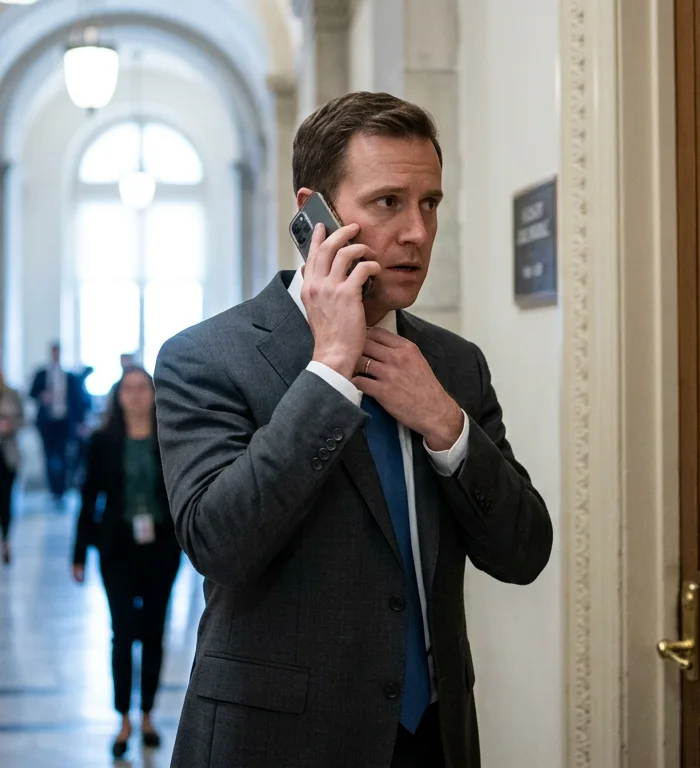
Talk of a possible summit among President Trump, Xi Jinping and Vladimir Putin revived 1945 Yalta comparisons in a Nov. 14 secondary report.
The concern for Washington is that a three-way leader channel could treat security guarantees as bargaining items, unlike allied formats that give NATO and Indo-Pacific partners formal seats.
The Yalta reference is pointed. In 1945, Franklin D. Roosevelt, Winston Churchill and Joseph Stalin met as three wartime leaders and shaped postwar arrangements for Europe without the direct consent of many affected states.
The modern version of that anxiety centers on Ukraine and Taiwan. A leader-level bargain touching either would collide with the premise that affected governments, and their security partners, should be inside the room before terms are set.
Congress has guardrails that matter. US law requires congressional approval before a president can suspend, terminate or withdraw from NATO, and the Taiwan Relations Act remains the statutory framework for Washington’s unofficial defense relationship with Taipei.
Those laws would not necessarily block a summit. They would, however, give Senate defense hawks and foreign-policy committees a basis to demand briefings, limit funding or attach review requirements to any agreement with Moscow or Beijing.
For the White House, direct talks with Putin and Xi would fit President Trump’s preference for leader-to-leader diplomacy. The risk for allies is that speed and secrecy could weaken the consultation habits that hold US coalitions together.
A summit itself would not settle the issue. The harder test is whether any agenda covers territorial concessions, security guarantees or sanctions relief, and whether allied governments receive details before public terms emerge.
The clearest Washington marker is legislative. If senior Republicans on the Senate Armed Services or Foreign Relations committees back binding consultation language, the summit debate becomes a separation-of-powers fight; if they do not, the White House has wider room to define the channel first.
Source: secondary report, Nov. 14, 2026
More stories
- Germans oppose Ukraine aid as poll shows support slipping
- Kim Jong-un receives 10 envoys after constitutional shift
- Ukraine claims Libya strike sinks Russian naval corvette
- COP31 climate talks collapse over fossil fuels and funds
- Russian military faces 1,087 recorded suicides in Ukraine war
- US faces China, Russia in Africa minerals contest
- North Korea changes flag as Kim reshapes national symbols
- Nvidia names Kress interim CEO after Huang exits in scandal
- Allies rebuff Flavio Bolsonaro over leadership from abroad
- North Korea fires about 10 missiles before border deadline
Latest news
- Trump prepares tariffs on China and other major exporters
- New-car buyers pay record average $50,087 in October
- Banks face ECB reserve debate over liquidity and profits
- Investors see Anthropic debut gains fade below $83 a share
- Iraq orders federal control over Kurdish-area oilfields
- Nvidia shares retreat as AI rally cools before PCE data
- Macy’s parade faces balloon limits as storm winds approach