

Trump, Xi, and Putin discuss Iran and Ukraine at trilateral summit
President Trump meets with leaders of China and Russia in an unprecedented effort to address global conflicts, including the status of Iran’s nuclear program.
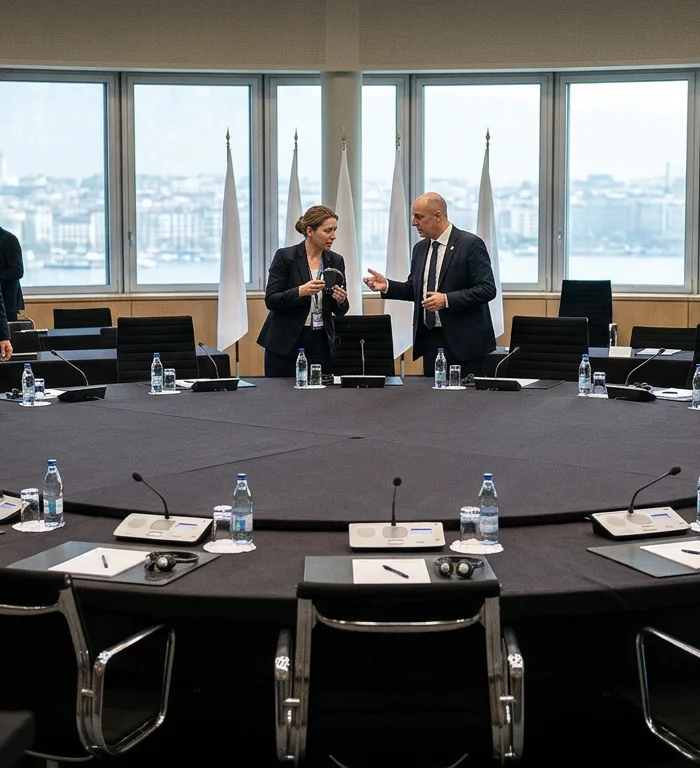
Diplomatic shift in global power
President Trump is convening with China’s President Xi Jinping and Russia’s President Vladimir Putin on Thursday, marking the first time the three leaders have held a formal trilateral summit. The discussions are focused on the future of international nuclear arms control and the resolution of ongoing conflicts in Iran and Ukraine.
The meeting represents a significant recalibration of global diplomatic alignment, as the three powers attempt to find common ground on regional security frameworks. The White House, the Kremlin, and the Chinese Foreign Ministry each confirmed the meeting, which is scheduled to span two days of talks.
Regional containment and shifting alliances
President Trump
For decades, the Gulf Cooperation Council (GCC) states have relied on US security guarantees to counter Iranian regional influence. This trilateral engagement suggests a potential shift toward a managed containment model negotiated by global superpowers rather than through traditional regional military alliances. China holds significant leverage over Tehran, largely through consistent energy purchases and long-term infrastructure investment under its strategic partnership agreements. Russia, conversely, has strengthened its military and intelligence ties with Iran, complicating the prospect of a unified approach to Iranian nuclear policy. Strategic autonomy for the Gulf The exclusion of Gulf representation from these high-level discussions introduces substantial uncertainty for the regional security architecture. Officials in Riyadh and Abu Dhabi have previously navigated shifts in US foreign policy by pursuing strategic autonomy, a trend likely to accelerate if the summit produces a consensus on Iranian policy without regional input.
Current IAEA reports have tracked technical advancements in Past efforts to revive the Joint Comprehensive Plan of Action (JCPOA) were designed to address concerns regarding the extent of uranium enrichment in Iran. Current IAEA reports have tracked technical advancements in the country's nuclear program that exceed the thresholds established in the original 2015 agreement.
Managing global spillover
The potential for a grand bargain on regional security could impact global commodity markets, particularly the stability of oil and gas shipping routes through the Strait of Hormuz. Any movement toward de-escalation between the three global powers may influence the risk premiums currently priced into regional transit, though regional actors remain skeptical of agreements made without their participation.
Increased diplomatic pressure from the three powers could theoretically lead to a multilateral freeze on Iranian nuclear activities. Conversely, if the summit concludes without a concrete policy framework, GCC states may increase their pace of independent military procurement and formalize new regional defense pacts to offset perceived gaps in security.
More stories
- Germans oppose Ukraine aid as poll shows support slipping
- Kim Jong-un receives 10 envoys after constitutional shift
- Ukraine claims Libya strike sinks Russian naval corvette
- COP31 climate talks collapse over fossil fuels and funds
- Russian military faces 1,087 recorded suicides in Ukraine war
- US faces China, Russia in Africa minerals contest
- EU urges households to manage first 72 crisis hours
- Russian man faces 15 years over alleged Palantir spying
- AfCRA faces investor trust test with Africa debt service at $163bn
- Qatar-led mediators press 7-day plan for Iran-US deal
Latest news
- Trump prepares tariffs on China and other major exporters
- New-car buyers pay record average $50,087 in October
- Banks face ECB reserve debate over liquidity and profits
- Investors see Anthropic debut gains fade below $83 a share
- Iraq orders federal control over Kurdish-area oilfields
- Nvidia shares retreat as AI rally cools before PCE data
- Macy’s parade faces balloon limits as storm winds approach