Trump ties Brazil visa dispute to stalled envoy vote fight
The US revoked Brazil’s ambassador visa as a delayed envoy approval deepened a visa dispute already shaped by tariffs and election tensions.
Sofia Reyes ·
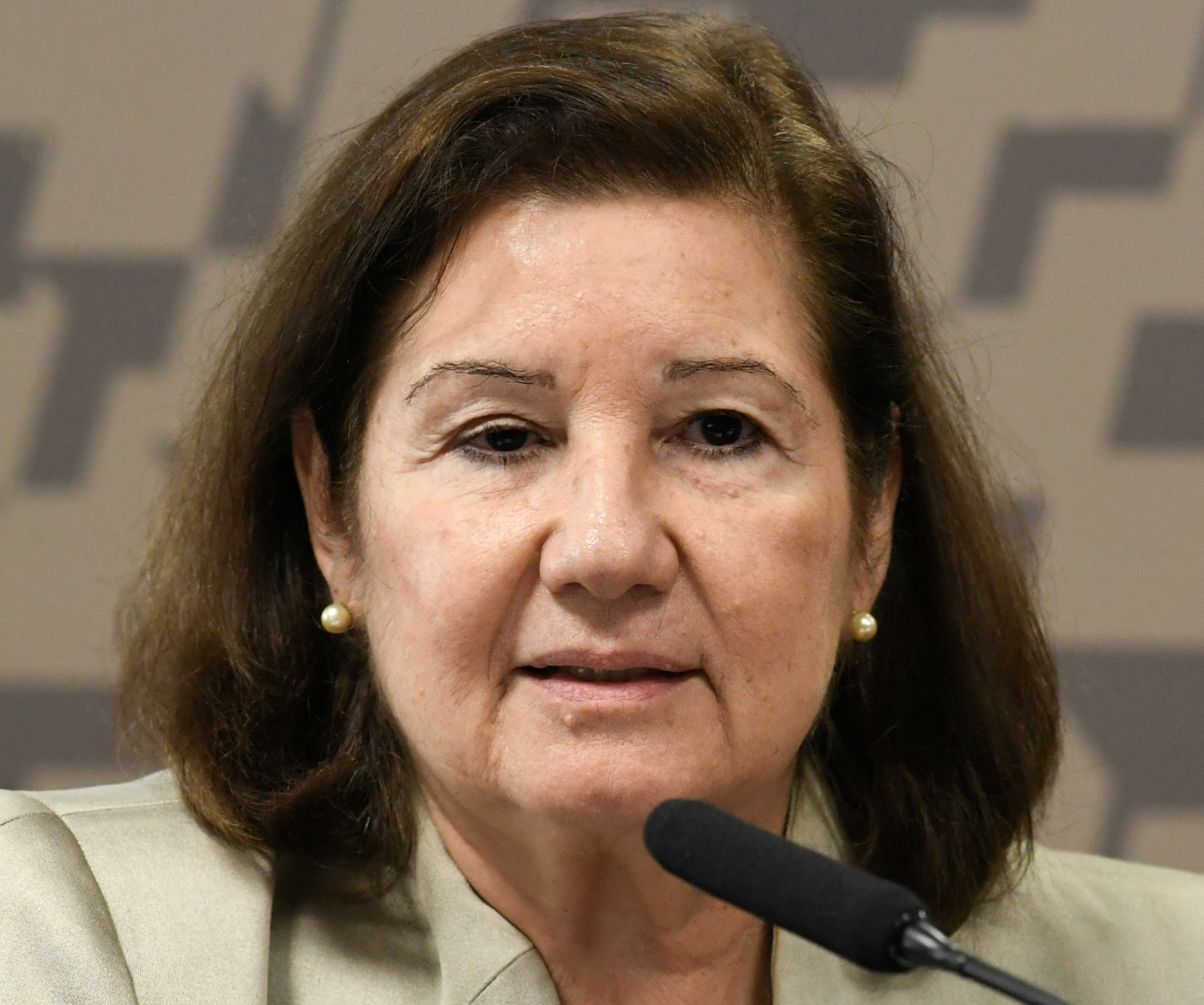
The visa dispute between the US and Brazil widened Tuesday after Washington revoked the visa of Brazil’s ambassador in response to a stalled envoy approval.
Viotti visa becomes leverage
A senior official at the State Department said the Trump administration withdrew the visa held by Maria Luiza Ribeiro Viotti, Brazil’s ambassador to the US. The official said Washington is not requiring Viotti to leave the country and would reinstate the document if Brazil approves Daniel Perez as the US ambassador to Brasilia.
The step turns a routine diplomatic credentialing process into a pressure point between the hemisphere’s two biggest democracies. Ambassador approvals normally move through formal channels, but delays can become political signals when relations are already strained.
According to the official, Brazil had indicated it would not approve Perez until after its October presidential election. Brazil’s government did not immediately provide a public response to the account described by the State Department official.
Election visas deepen mistrust
The same official linked the decision to an earlier Brazilian move involving two senior State Department officials. Brazil had blocked visas for those officials because of concerns that their visit could be used to question the credibility of the country’s electronic voting process before the election.
The State Department later denied that the planned trip had that purpose. Even so, the episode added an election-security layer to a relationship already burdened by trade friction and sharply different political narratives.
President Luiz Inácio Lula da Silva, who is seeking reelection, has criticized US pressure as interference in Brazil’s domestic politics. He has also accused Flávio Bolsonaro, his main challenger, of urging Washington to take a harder line against Brazil.
Tariffs frame the diplomatic fight
The visa action follows a July trade decision in which the US imposed 25% tariffs on many Brazilian goods, citing alleged unfair trade practices. Lula has denounced the levies as an attack on Brazil’s sovereignty and warned President Trump against meddling in the election.
The tariff dispute matters because it gives the diplomatic clash a direct economic channel. If the levies remain in place, Brazilian exporters facing the affected categories could see US demand weaken, while American importers may face higher costs or look for replacement suppliers.
The confrontation also sits inside a longer argument over Jair Bolsonaro, who was convicted last year of plotting a coup after losing the 2022 election to Lula. Bolsonaro, an ally of President Trump, remains a central figure in the political tensions shaping how both governments interpret each other’s moves.
For the Trump administration, the immediate company-level equivalent is absent because the dispute centers on governments rather than a listed corporate issuer. The sector exposure is clearest in trade-linked industries that depend on predictable customs treatment, visa access and diplomatic channels between Washington and Brasilia.
Three paths for Brasilia
If Brazil approves Perez before the election, the State Department official’s account suggests Viotti’s visa could be restored and the diplomatic channel could stabilize quickly. That would reduce a political irritant for both governments, though it would not automatically resolve the 25% tariffs or the election-interference accusations.
If Brazil holds Perez’s approval until after the vote, the visa dispute could become another campaign issue for Lula and Flávio Bolsonaro. At the macro level, prolonged friction between two large regional economies would add uncertainty to trade flows; for the named governments, it would narrow room for quiet diplomacy; for exposed sectors, it would extend the risk of customs and market-access disruption.
If each side adds new visa or trade measures, the dispute could broaden from personnel approvals into a wider bilateral standoff. The open questions are whether Brasilia formally responds, whether Perez’s nomination advances before October and whether the tariff fight remains separate from the election dispute.