Tehran softens Strait of Hormuz stance in US talks on mines
Iran is weighing whether Europe can clear Strait of Hormuz mines, a potential step toward restoring shipping and easing talks with Washington.
Lauren Collins ·
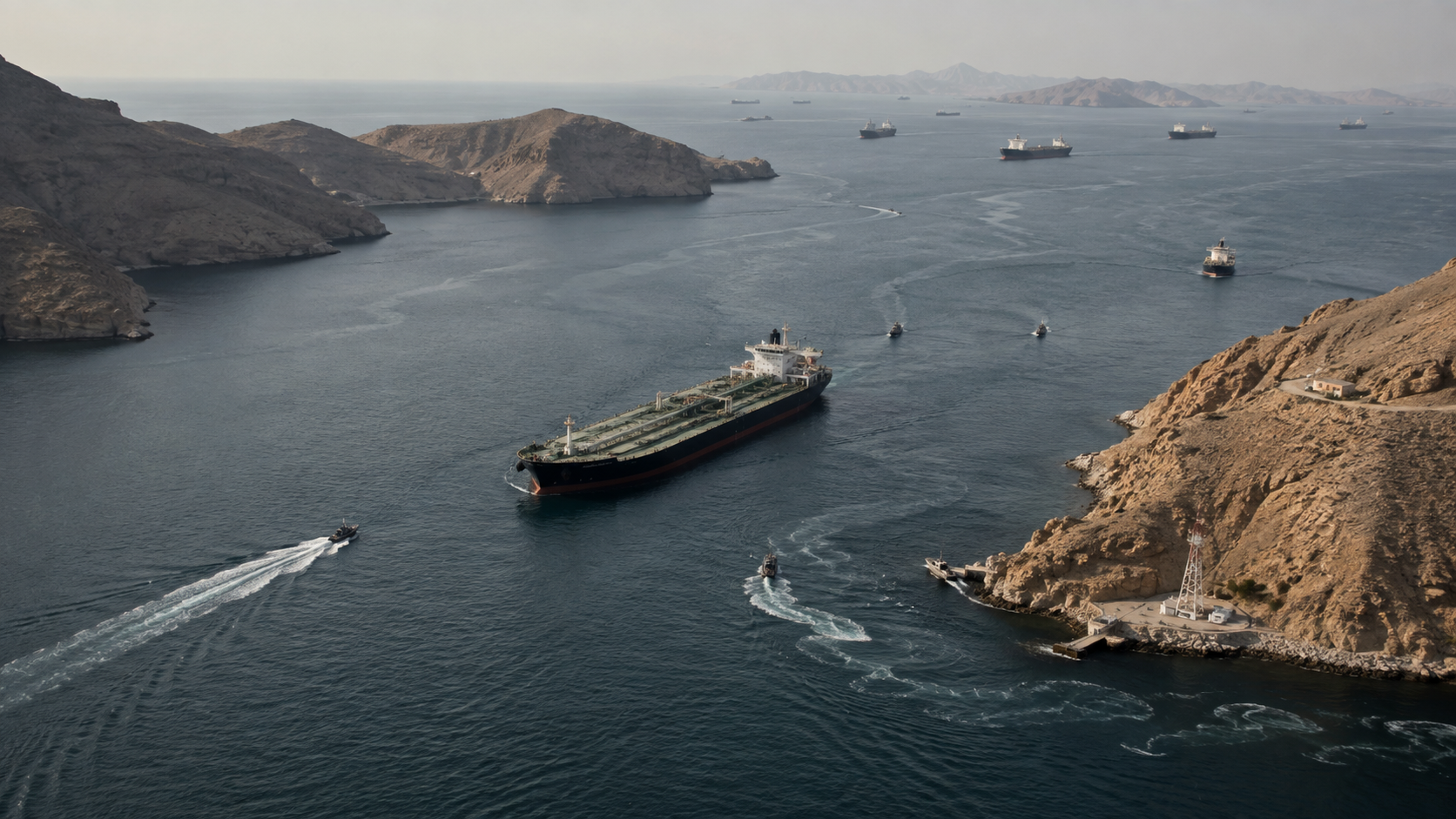
Strait of Hormuz mine clearance could become part of Iran's talks with Europe and the United States, according to diplomats cited in the report.
Iran is considering whether to permit European nations to take part in demining work in the waterway, the diplomats said. No final agreement was reported, and Tehran has not announced a public policy change.
Tehran tests a mine shift
The reported discussion marks a change from Iran's earlier position that foreign countries would not be allowed to join demining efforts. Officials cited in the report said Tehran's stance had "softened" during private meetings held in recent weeks.
The timing gives the proposal diplomatic weight. A mine-clearance role for Europe could be used as part of a wider arrangement aimed at restoring shipping through the Strait of Hormuz and reducing friction in talks with Washington.
The source material does not say which European governments are involved, what legal framework would apply, or who would command any operation. Those gaps matter because mine clearance in a strategic waterway requires trust, access and a chain of responsibility acceptable to all sides.
Europe enters the waterway equation
If Iran accepts a European role, the immediate effect would be to move European governments from the sidelines of diplomacy into a practical security function. That would give Europe a direct stake in whether the waterway can be made safe enough for shipping to resume.
Shipping companies and insurers would watch the mechanics more than the language. A credible clearance process could reduce operational uncertainty; an unclear or contested mandate could leave carriers facing the same risk calculations even if talks continue.
The report did not name any company affected by the discussions. The sector exposure instead falls across shipping operators, energy traders and marine insurers that depend on predictable access through the route.
US talks frame the proposal
The idea also connects the maritime issue to diplomacy with the United States. According to the report, allowing European demining could help ease talks with Washington by creating a concrete step before broader political disputes are resolved.
For Iran, the calculation is delicate. Accepting foreign assistance could help reopen shipping channels, but it would also require Tehran to tolerate a European operational presence in an area where it had previously rejected outside participation.
If Tehran formally approves a European clearance role, the global macro effect would likely come through trade confidence rather than a verified numeric shock from this source. For Iran, the benefit would be a visible de-escalation step; for the maritime sector, the mechanism would be lower route uncertainty and clearer insurance assessments.
If Iran reverses course or attaches conditions Europe cannot accept, the talks would remain stuck on access and control. That path would keep diplomatic pressure on Tehran, leave shipping companies without a clear operating signal, and preserve the Strait of Hormuz as a point of vulnerability in global trade.
A third path is a limited technical arrangement that avoids broader political settlement. In that case, Europe could help address the immediate mine-clearance issue while the United States talks continue on a separate track, leaving the industry with partial relief but not a durable security framework.
The next test is whether the private shift becomes a public Iranian decision. The unresolved questions are who would conduct the work, how Europe would coordinate with Iran, and whether Washington treats the proposal as enough to change the tone of talks.