Strait of Hormuz pause leaves Iran in control of oil route
Iran says it still controls the Strait of Hormuz after President Trump paused U.S. strikes, leaving oil markets and diplomacy in a fragile holding pattern.
Lauren Collins ·
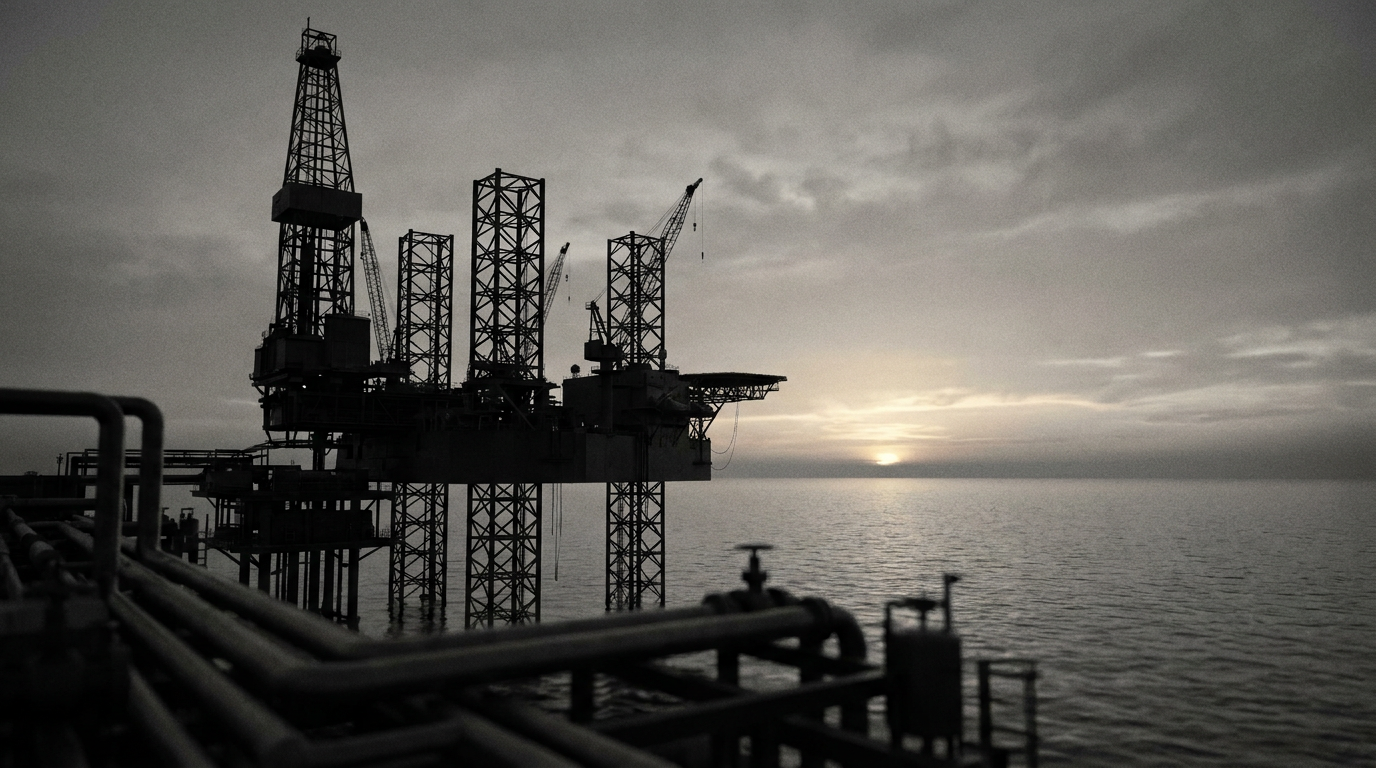
Strait of Hormuz tensions eased after President Trump halted U.S. strikes, but Iran says it still controls the key oil route.
The pause ended nearly two weeks of U.S. bombing that followed Iranian attacks on vessels and U.S. bases in the region. Tehran said it would stop its own attacks only for as long as Washington keeps its aircraft and missiles quiet.
Trump pauses the air campaign
President Trump suspended the campaign over the weekend after 13 straight nights of escalating strikes. A U.S. official said military commanders had advised that the operation was running short of viable targets.
The same official said General Dan Caine, chairman of the Joint Chiefs of Staff, had raised concern about the use of air defense weapons needed to protect U.S. bases in the region. That means the decision was not only diplomatic; it also reflected limits in what the campaign could still deliver militarily.
Mike Waltz, the U.S. ambassador to the United Nations, said on Sunday that Trump had paused the bombing to leave space for negotiations. Iran's Foreign Ministry spokesperson, Esmail Baghaei, rejected the idea that Tehran had asked to restart peace talks with Washington.
Oil retreats from last week
The market reaction was immediate because the strait is the pressure point for global energy flows. Brent crude, which briefly moved above $100 a barrel last week for the first time since May, fell about 7.8% by mid-morning Monday to just under $90.
That drop reflected a bet that a pause in fighting could let disrupted supply routes reopen. It did not settle the underlying dispute over who controls passage through the waterway.
Iranian state media, citing an informed source, said Iran turned back six ships on Monday morning for trying to cross without permission. The reports said one vessel had an accident, a claim that could not be independently verified from the material provided.
The routing dispute is central to the conflict. Washington has encouraged vessels to sail closer to the coast of Oman, while Iran says ships must use a channel nearer its own coastline, where Tehran says it can supervise traffic and impose transit fees.
Oman becomes the diplomatic hinge
The U.S. campaign was intended to weaken Iran's hold over the strait after Tehran fired on ships using the route promoted by Washington. Instead, the halt leaves the United States with an unresolved leverage problem: Iran is still signaling control, while Washington has stopped the strikes meant to challenge it.
The human and regional cost has already been substantial. The bombing killed scores of people in Iran and hit bridges, tunnels and military targets in the south, while four U.S. service members were killed by Iranian fire against bases in neighboring Arab states.
Iran also struck civilian infrastructure in Gulf countries, saying it was responding to U.S. strikes on civilian targets. Last week, Iran's Houthi allies threatened a blockade of Saudi Arabia's oil industry in the Red Sea, widening the risk to a second major energy route.
Diplomacy is moving through several channels, but none has yet resolved the legal and security question at the center of the crisis. Washington and Tehran reached a June framework for talks intended to take place by the end of August, with Iran's nuclear program and the strait both on the agenda.
The two sides disagree over the meaning of the memorandum. Washington says it requires free passage, while Iran says the language supports its authority to supervise transit.
Oman now matters because it controls the opposite shore of the strait. A senior Omani delegation was in Tehran over the weekend, and the foreign ministers of Qatar, the United Arab Emirates and Saudi Arabia each discussed the strait with Oman's Foreign Minister Badr Albusaidi, according to state media reports from those countries.
Three paths for markets
If the military pause holds, the global macro effect is lower energy risk premia and less pressure on inflation-sensitive economies. For shipowners and energy buyers, the gain would be lower insurance and fuel uncertainty, while the wider oil and tanker sector would price in fewer disruptions.
If Iran continues to turn back vessels, the pause could become a ceasefire without commercial normalization. That would keep Brent vulnerable to sharp moves, leave shipping firms exposed to route and insurance decisions, and force Gulf producers to manage customer concerns over delivery reliability.
If talks resume under Omani mediation, the mechanism would be a negotiated routing formula rather than a military settlement. The open questions are whether Iran accepts unrestricted passage, whether Washington accepts any Iranian supervisory role, and whether regional states can prevent the Red Sea threat from merging with the Hormuz dispute.
Israel's Prime Minister Benjamin Netanyahu, who launched the war in February alongside Trump but has not joined the U.S.-Iran negotiations, is due to meet Trump in Washington early this week. That meeting could shape how much room the White House gives diplomacy after a campaign that stopped before achieving its stated objective.