Syria and Israel Engage in Security Talks Amid Regional Shifts
Syrian leadership confirms ongoing negotiations with Israel to establish a security framework, balancing territorial claims with a desire to avoid conflict.
Atlas Newsdesk ·
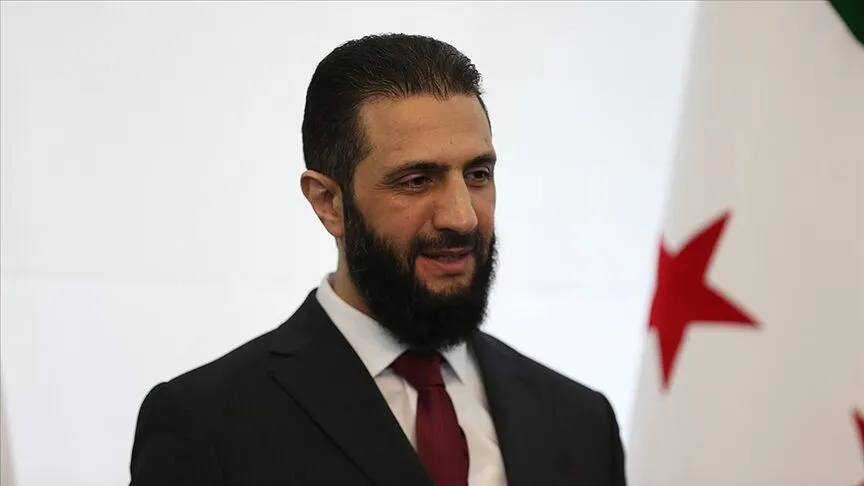
Diplomatic Channels Open for Security Framework
Syrian President Ahmed Shara has confirmed that his administration is actively engaged in discussions aimed at securing a security agreement with Israel. According to official statements, these negotiations have expanded beyond a bilateral scope, with several other nations now participating in the process. This development suggests a shift toward a more complex, multilateral approach to managing regional tensions.
The Syrian leader indicated that these talks are intended to serve as a foundation for broader stability. By pursuing a security-focused arrangement, Damascus appears to be seeking a mechanism to mitigate immediate risks while maintaining its long-standing position regarding the Golan Heights. Officials emphasize that this diplomatic outreach does not signify a surrender of territorial claims.
Balancing Sovereignty and Stability
The Golan Heights remains a central point of contention in the dialogue between the two nations. Observers note that Shara’s insistence on sovereignty suggests that any potential agreement will likely be limited to technical aspects, such as border security protocols and the reduction of military maneuvers, rather than a comprehensive peace treaty.
Damascus has explicitly stated a desire to avoid direct military confrontation with Israel. This stance positions the proposed security pact as a temporary measure to prevent escalation. For the Syrian government, the urgency of these talks is underscored by recent border incidents and frequent aerial operations conducted in the southern regions of the country.
Strategic Implications and Uncertainties
For Israel, the primary objective involves managing risks along its northern border and maintaining operational freedom in a changing political landscape. The inclusion of third-party nations in these discussions points toward the potential implementation of monitoring or mediation mechanisms. Such structures could provide the necessary oversight to ensure compliance from both sides.
Should a functional agreement be reached, it could lead to a reduction in military activity and a stabilization of border zones. Conversely, if the talks fail to produce a robust text, the region may continue to face persistent security pressures. The situation remains fluid, with the effectiveness of the diplomatic channel contingent upon the willingness of all parties to adhere to a shared set of operational constraints.